
Get Our Best Quotation

ENLIGHTENING will never abuse, misuse, sell, or improperly disclose the information you submit via our forms.

Heavy-Duty Seafood Drying Trays | ENLIGHTENING Bulk Supply

Streamline commercial seafood dehydration with food-grade seafood drying trays by ENLIGHTENING. Durable, ventilated, and salt-corrosion resistant.

Seafood Drying Trays: Optimized Commercial Applications

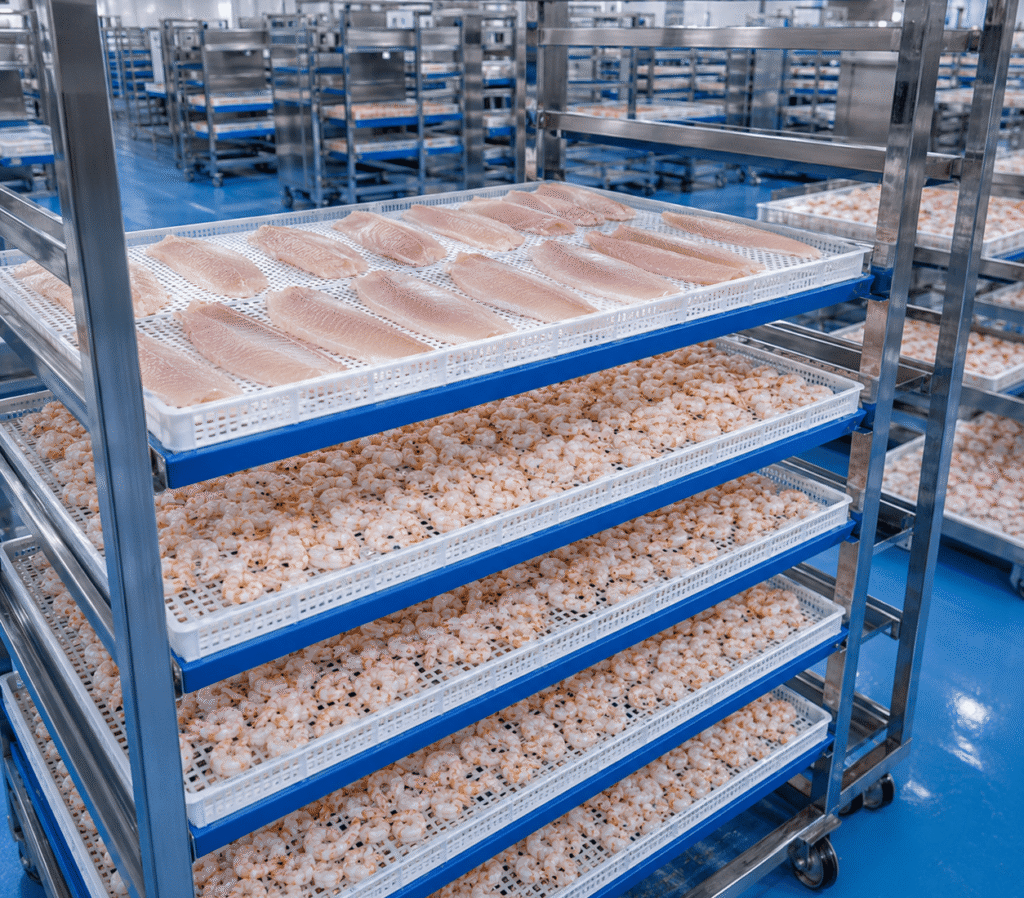
Commercial Squid Dehydration

Speeds up surface evaporation on squid, ensuring uniform color and texture without sticking to the mesh.

Sea Cucumber Curing Lines

Provides steady, structural support for high-value marine species during critical multi-stage curing phases.

Shrimp and Prawn Processing

Optimizes vertical airflow patterns to drain excess brine instantly and accelerate hot air drying loops.

Fish Fillet Air-Drying Systems

Keeps delicate ocean fish structural layers separate, avoiding flesh tearing and reducing batch rejection rates.

Salted Fish Air Dehydration

Stands up perfectly to direct, continuous salt exposure during long-term traditional fish preservation methods.

Kelp and Seaweed Processing

Allows wet marine flora to drain off moisture freely while blocking fine debris from entering the drying stream.

Seafood Drying Trays: Application Pain Points

  • Are Your Trays Degrading Due to Constant Brine and Salt Exposure? Standard processing trays break down quickly when exposed to high-salinity marine environments. This corrosive damage creates brittle plastic edges that can chip off, threatening food safety audits and forcing procurement managers to constantly buy expensive replacement stock.

  • Is Odor Retention and Bacterial Buildup Ruining Product Batches? Low-grade material lines readily absorb fish oils and organic matter, creating deep-seated odors and dangerous bacterial colonies. This causes severe cross-contamination risks that compromise batch purity and threaten compliance with food safety regulations.

  • Does Grid Deflection Cause Uneven Airflow and Spoiled Seafood? Heavy seafood loads cause cheap trays to sag in the center. When trays deflect, they block airflow and pool moisture, leading to uneven drying cycles, soft spots, and spoiled seafood that damages profit margins.

Recommended Products for Seafood Drying Trays

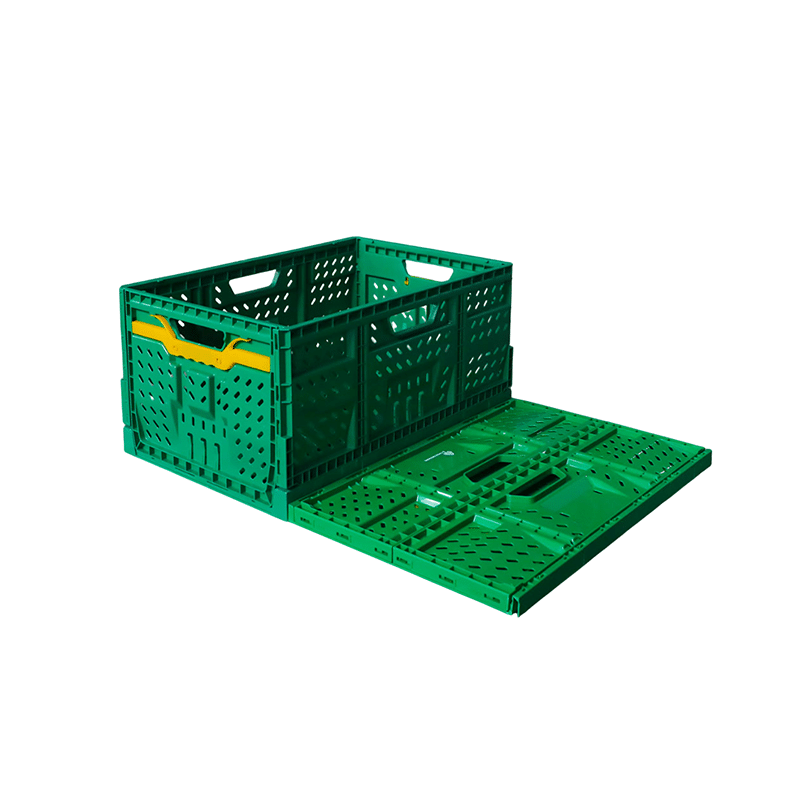
Plastic Folding Crate

An advanced collapsible variant engineered for maximum volume reduction during long-distance return shipping.

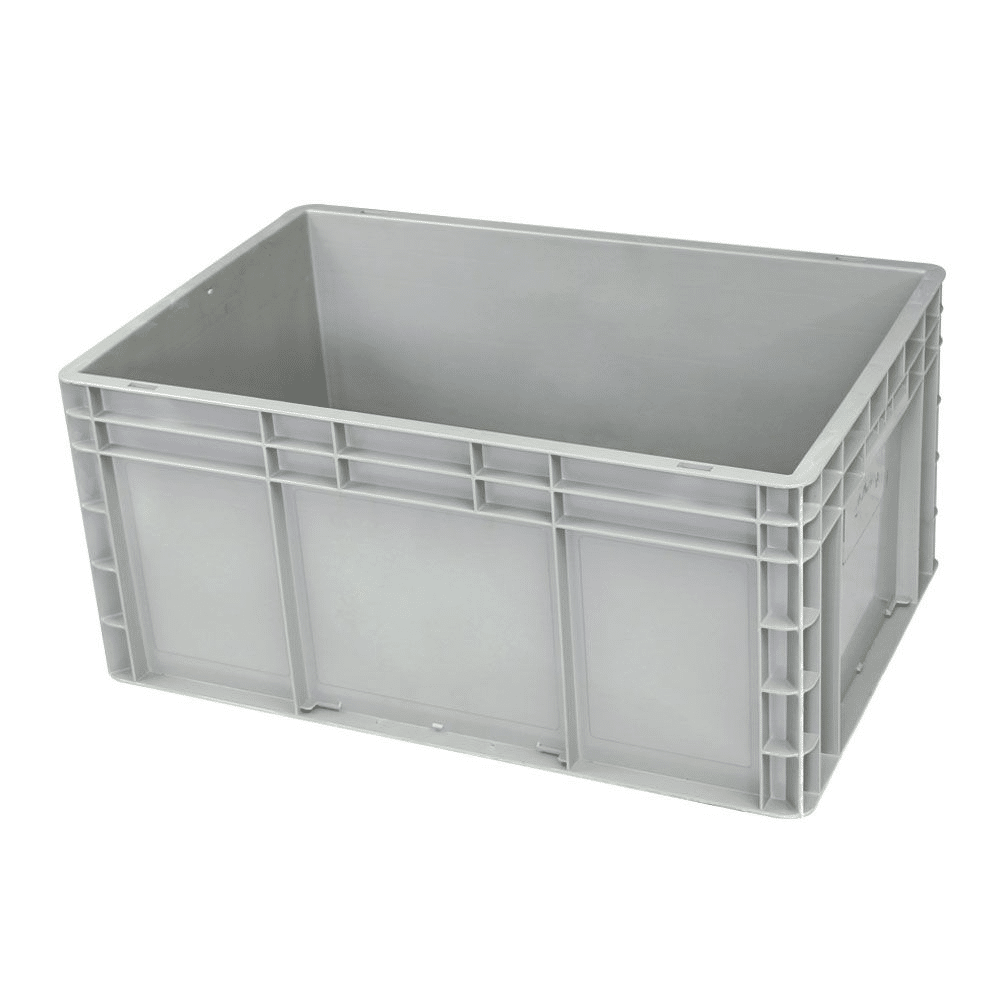
Plastic Turnover Crate

A workhorse box built specifically for fast-paced, high-frequency internal material handling routing across automated lines.

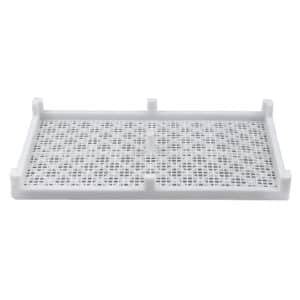
Plastic Drying Tray

Our flagship engineered curing asset featuring a cross-ventilation lattice base optimized for high-speed uniform drying.

Plastic Bread Tray

Low-profile, highly ventilated stacking trays ideal for fast temperature equalization and rapid cooling of baked goods.

Need ENLIGHTENING to Help You Select Seafood Drying Trays?

Partner with ENLIGHTENING to secure custom material grades, competitive factory pricing, and optimized logistics solutions tailored for your commercial food manufacturing line.

Material Specifications & Performance Metrics

Our advanced seafood drying trays are manufactured using industrial polymers engineered specifically to handle the demands of commercial food processing lines.

Performance MetricSpecification & Capability Details
Material Base OptionsHigh-Density Polyethylene (HDPE) or Virgin Polypropylene (PP) compounds
Impact ResistanceThick-walled injection molding prevents structural cracks from rough automated handling
UV ResistanceEnhanced with UV stabilizers to withstand long hours of outdoor sun-drying lines
Corrosion Resistance100% immune to salt brine, fish oils, marine acids, and industrial cleaning chemicals
Food Grade OptionMade with FDA-compliant, BPA-free resins to meet global food hygiene standards
Anti-Static OptionElectrostatic Discharge (ESD) protective formulations available for cleanroom applications
Temperature ResistanceBuilt to withstand extreme temperatures ranging from $-40^\circ\text{C}$ up to $+120^\circ\text{C}$
Load CapacityStructural grid base reliably supports uniform static weights of up to $45\text{ kg}$

B2B Selection Guide: Choosing the Right Tray

Use the table below to evaluate your operational requirements and select the right tray profile for your facility.

Selection DimensionOperational Criteria to Consider
ApplicationMatch with your product type—such as small fish fillets, large whole fish, or brine-soaked shrimp.
CapacityDetermine the surface area and side-wall height needed to prevent overlapping or spilled product.
Load RequirementAssess the total weight of wet seafood per tray to prevent structural sagging or mesh bowing.
TemperatureFactor in your process temperatures, whether blast-freezing or heat-assisted dehydration tunnels.
Storage MethodChoose based on your setup—including automated conveyor lines, static racks, or stacked pallets.
Design Form FactorSelect stackable styles for deep vertical air chambers, or nestable options to save empty storage space.
Compliance GradeRequire certified food-grade options for human consumption lines, or industrial builds for bait.
Use EnvironmentEvaluate your setting—such as outdoor coastal sun-drying fields versus indoor climate-controlled facilities.


What are Seafood Drying Trays? A B2B Sourcing Guide

Key Takeaways

  • Salt Immunity: 100% resistant to brine, marine oils, and harsh sanitizers without degrading.

  • Enhanced Airflow: Advanced open-mesh designs reduce dehydration cycles by up to 30%.

  • Strict Hygiene Standards: Smooth, non-porous surfaces prevent bacterial growth and simplify cleanup.

  • Thermal Endurance: Performs reliably from sub-zero blast freezers up to high-heat drying tunnels.

The Engineering of Effective Seafood Dehydration

Commercial seafood drying relies on precise temperature control and uniform air circulation. Using sub-standard materials leads to structural issues and poor quality control. Traditional wood trays harbor mold and splinter, while metal options can rust, stain the fish, and leave a metallic taste.

Modern seafood drying trays address these problems through advanced material engineering. Using high-purity virgin polymers ensures these trays withstand the demanding conditions of commercial fish processing lines.

[Brine Exposure]   --> [High-Load Mechanical Stacking] --> [High-Heat Air Evaporation]
       |                            |                                |
  (No Corrosion)            (No Grid Deflection)            (Uniform Moisture Removal)

The mesh design is optimized to balance air contact with structural strength. This setup accelerates evaporation while supporting heavy loads without sagging.

Tip: Opt for drying configurations with radiused structural ribs. Rounded internal shapes prevent fish scales and tissue from getting trapped, making high-pressure washing faster and more effective.

Choosing the Right Polymer: PP vs. HDPE

Selecting the best polymer material depends on your plant’s temperature variations and material handling workflows.

Polypropylene (PP) Processing Trays

PP is the preferred choice for high-heat drying chambers and multi-stage dehydration ovens. It maintains its structural rigidity at higher temperatures, preventing the trays from bowing under heavy loads during long heat cycles. PP also resists stress cracking and can handle high-temperature steam sterilization.

High-Density Polyethylene (HDPE) Processing Trays

HDPE offers excellent durability in low temperatures. If your operations involve blast-freezing fresh catches before drying, or outdoor sun-drying in colder coastal regions, hdpe plastic crates and trays maintain their flexibility and impact resistance down to $-40^\circ\text{C}$ without cracking.
Operational Advantages for Supply Chain Managers

For procurement officers and warehouse managers, drying trays are a key asset that affects overall operational efficiency. Upgrading to engineered heavy duty plastic crates and drying systems helps reduce replacement costs and streamline material handling.

Extended Service Life

Industrial food processing lines expose trays to automated stackers, mechanical tipping systems, and regular washdowns. Our trays feature reinforced corners, thick structural ribs, and impact-resistant bases to prevent cracking and chipping under daily mechanical stress.

Maximizing Facility Floor Space

Efficient warehouse storage relies on vertical space. These engineered drying trays stack securely, allowing facilities to utilize high vertical space safely without worrying about tipping or shifting stacks.

Operational Assessment VariableStandard Commercial TraysENLIGHTENING Professional Grade
Estimated Working Lifespan12 to 24 Months6 to 10 Years (Continuous Processing)
Resistance to Salt CrackingVulnerable (Stress fracturing)Complete Immunity (No chemical breakdown)
Turnaround Sanitation Time5.2 Minutes (Requires scrubbing)1.5 Minutes (Automated high-pressure wash)

Designed for Strict Food Safety Compliance

Meeting international food safety standards requires processing equipment that is easy to clean and sanitize. Trays with porous surfaces or tight joints can trap moisture, creating breeding grounds for bacteria and cross-contamination risks.

Advanced seafood drying trays are built with non-porous, hydrophobic surfaces that resist water, oils, and chemical cleaners. This smooth finish allows sanitizing solutions to rinse off completely, leaving no chemical film or organic residue behind.

Tip: When processing multiple seafood varieties, use color-coded trays to clearly separate species and manage allergen tracking throughout the facility.

Choosing the Right Style for Your Workflow

The layout of your production floor determines the best tray configuration for your material handling setup.

  • Stackable Interlocking Trays: Designed with robust corner pillars, these trays stack securely to maximize vertical space in drying rooms while protecting products on lower levels from weight and pressure.

  • Space-Saving Nestable Options: Turn these trays 180 degrees to nest them inside one another when empty, saving up to 75% of storage and transport space during return logistics.

  • Conveyor-Optimized Footprints: Built with flat, smooth base tracks that glide smoothly along automated rollers, sorting belts, and production lines without snagging.
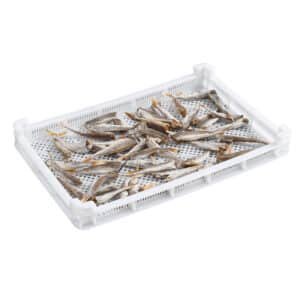
By choosing specialized, marine-grade drying trays, processing facilities can improve product consistency, protect food safety, and maximize long-term return on investment.

Table of Contents
Get Our Best Quotation

Seafood Drying Trays FAQS

Will salt brine or marine oils degrade these drying trays over time?

No. Our seafood drying trays are manufactured from specialized, high-purity food grade plastic crates resins that are completely resistant to salt brine, organic fish oils, and marine acids. Unlike metal trays that rust or wood trays that rot, these polymer trays will not corrode, crack, or break down chemically, even after years of continuous exposure to salt water.

Our High-Density Polyethylene (hdpe plastic crates) trays are rated for temperatures as low as $-40^\circ\text{C}$, making them ideal for blast-freezing operations. For high-heat dehydration tunnels, our heavy duty pp crates and trays maintain their shape and structural integrity up to $+120^\circ\text{C}$ without warping or sagging under load.

These trays are designed with an open-mesh ventilation pattern that maximizes airflow around the product. This layout increases air contact with both the top and bottom of the seafood, accelerating evaporation and cutting drying times by up to 30% compared to solid-walled or poorly ventilated trays.

Yes. The trays are injection-molded with a smooth, non-porous, hydrophobic surface that resists fish oils, scales, and organic residue. They can withstand high-pressure automated washing tunnels, steam cleaning, and strong commercial sanitizers, helping your facility maintain high hygiene standards and pass food safety audits easily.

Scroll to Top

ENLIGHTENING respects your privacy. Your details are only used to process your request.

Send your inquiry now

Learn how ENLIGHTENING protects your data in our [Privacy Policy].