
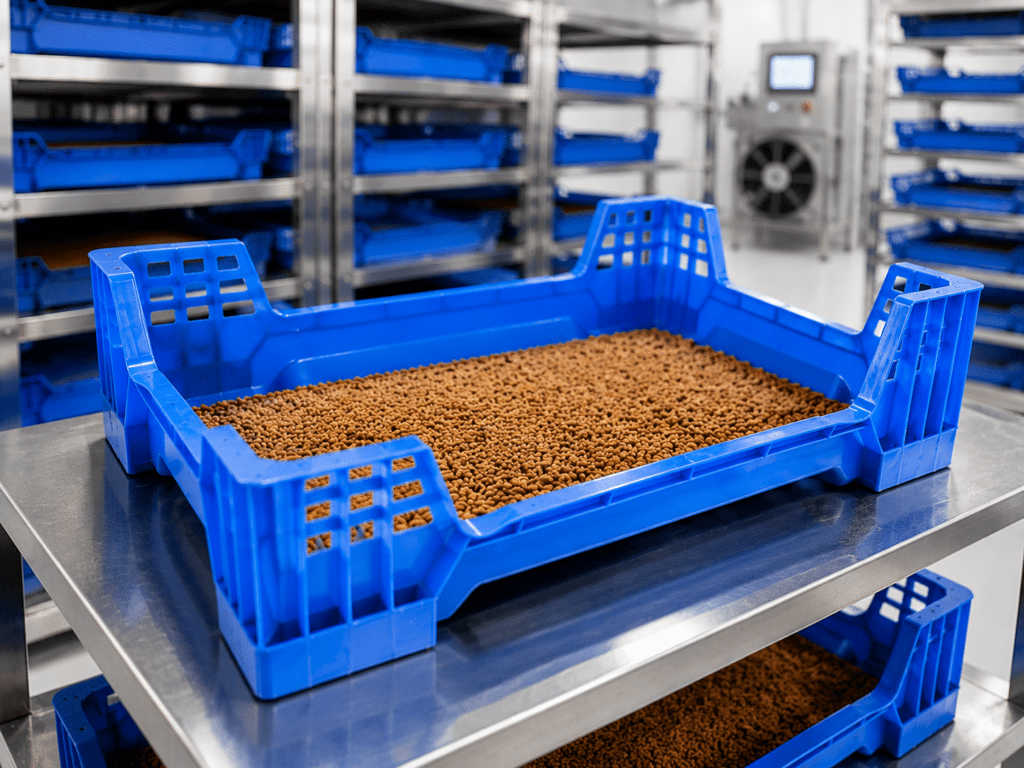
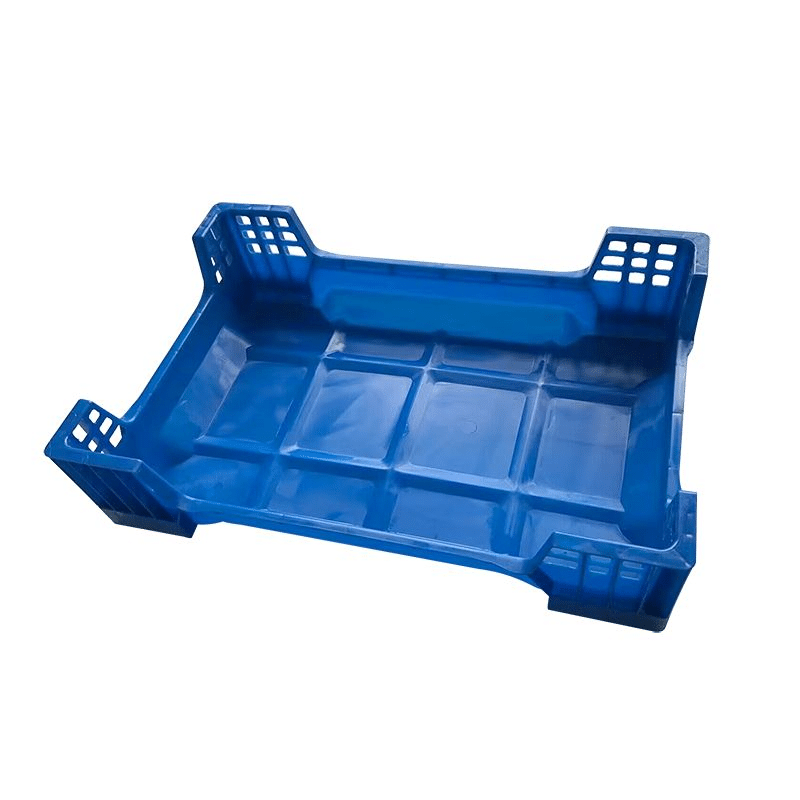

Insect breeding boxes are reusable plastic boxes used to raise, store, separate, and transfer insects during farm production. They are widely used for mealworms, black soldier fly larvae, fly breeding, insect protein production, organic waste conversion, and laboratory insect rearing.
A good breeding box does more than hold insects. It supports airflow, stable stacking, easy cleaning, and clear batch control. For farm owners, buyers, and production managers, the right box can improve space use, reduce handling time, and keep each breeding stage easier to manage.
TIP: Before choosing a box, confirm the insect species, feed weight, box depth, rack size, humidity level, and daily cleaning method.
Key Takeaways
| Point | Why It Matters |
|---|---|
| Ventilation is critical | Insect farms need airflow to control heat, moisture, and odor. |
| Stable stacking saves space | High-density breeding rooms often use many rack layers. |
| Smooth surfaces improve cleaning | Feed residue and frass are easier to remove. |
| Correct size improves batch control | Box size should match insect density and growth stage. |
| Material choice affects service life | PP and HDPE perform differently under impact, humidity, and cleaning. |
Why Do Insect Farms Use Plastic Breeding Boxes?
Insect farming depends on controlled production. Each batch may pass through egg, larvae, pupae, adult, harvesting, drying, and processing stages. Insect breeding boxes help farms organize these stages in a repeatable way.
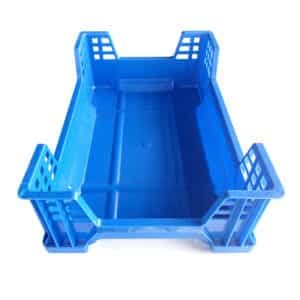
They are useful because they:
- Keep insect batches separated.
- Support airflow around feed and larvae.
- Help workers move boxes between racks and rooms.
- Save space in high-density breeding areas.
- Reduce direct handling of insects.
- Support better cleaning after each batch.
- Help farms scale production in a controlled layout.
For commercial farms, box design affects labor, hygiene, room density, and product loss. A weak box may bend, crack, trap residue, or block airflow.
What Makes a Good Insect Breeding Box?
A good insect breeding box should match real insect farming conditions. Many farms work with moisture, organic feed, frass, larvae movement, and repeated stacking. The box must stay strong while remaining easy to clean and move.
Important features include:
- Ventilated side walls for airflow.
- Smooth inner base for easier cleaning.
- Rigid plastic structure for repeated stacking.
- Raised edges to reduce insect escape.
- Consistent dimensions for rack systems.
- Impact-resistant material for daily movement.
- Optional food-grade material for regulated feed or food projects.
For fly or larvae breeding, Fly Breeding Box is the closest matching product. For post-harvest drying or sorting, Plastic Drying Tray can support the next handling stage.
How Do Insect Breeding Boxes Improve Airflow?
Airflow is one of the most important factors in insect farming. In high-density rooms, temperature and moisture can build up quickly. Poor airflow may slow growth, increase odor, and make cleaning harder.
Ventilated insect breeding boxes help air pass through side openings or upper corner structures. This supports a more stable environment when boxes are placed on racks.
Airflow design should consider:
- Vent hole size.
- Vent hole position.
- Box depth.
- Feed moisture.
- Insect density.
- Rack spacing.
- Room airflow direction.
- Cleaning requirements.
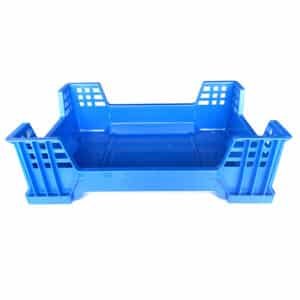
A box with too many openings may lose strength. A box with too few openings may trap heat and moisture. The right design balances airflow, strength, and insect control.
TIP: For BSF larvae or high-moisture feed, check both box ventilation and rack spacing before bulk purchase.
Which Material Works Best for Insect Breeding Boxes?
Most insect breeding boxes use PP or HDPE. Both materials are practical for reusable farm containers. The better choice depends on your breeding room, cleaning method, box load, and handling frequency.
| Material | Best Use | Main Benefit |
|---|---|---|
| PP | Indoor breeding rooms, rack systems, controlled handling | Good rigidity and stable shape. |
| HDPE | Rough handling, colder areas, higher impact use | Better toughness and impact resistance. |
| PE | Special custom farm containers | Flexible option for custom use cases. |
For controlled indoor breeding rooms, PP is often a practical choice because it gives the box good shape stability. HDPE can be useful when workers move boxes often, stack them high, or use them in rougher farm conditions.
How Much Load Can Insect Breeding Boxes Carry?
There is no single load number for all insect breeding boxes. Load capacity depends on box size, plastic material, wall thickness, rib design, feed weight, insect density, and stacking height.
Buyers should confirm:
- Feed weight per box.
- Insect weight per batch.
- Number of boxes per stack.
- Whether boxes sit on shelves or directly on each other.
- Whether workers move boxes by hand or carts.
- Whether boxes stay in humid rooms for long periods.
- Whether long-term deformation matters.
| Use Condition | What to Check |
|---|---|
| Mealworm breeding | Ventilation, depth, and easy cleaning. |
| BSF larvae farming | Moisture control, feed load, and wall strength. |
| Fly breeding | Ventilation, escape control, and batch separation. |
| Laboratory rearing | Clean surface, size accuracy, and repeatable handling. |
| High rack storage | Box edge support, rack width, and stacking stability. |
Do not select boxes only by the largest load number. Daily handling, moisture, stacking time, and cleaning method often affect service life more.
Are Food-Grade Insect Breeding Boxes Necessary?
Food-grade insect breeding boxes are not required for every farm, but they are useful for feed, food, and research projects. If your insects are used for animal feed, aquafeed, pet food, fertilizer, or regulated protein production, food-grade material can support better quality control.
Food-grade options help with:
- Cleaner batch handling.
- Better audit preparation.
- More professional farm management.
- Safer use in feed or food-related projects.
- Stronger buyer confidence for insect protein production.
If your farm only breeds insects for composting or waste conversion, industrial-grade boxes may be enough. The best choice depends on your end market and compliance needs.
How Do Insect Breeding Boxes Support Batch Control?
Batch control matters in insect farming. Different growth stages need different feed amounts, moisture levels, room conditions, and handling times. Insect breeding boxes make it easier to separate each stage.
They help farms organize:
- Eggs.
- Small larvae.
- Mature larvae.
- Pupae.
- Adult flies.
- Harvest batches.
- Feed trials.
- Research groups.
- Production dates.
Clear batch separation reduces mixing errors. It also helps workers track growth performance, harvest timing, and feed conversion results.
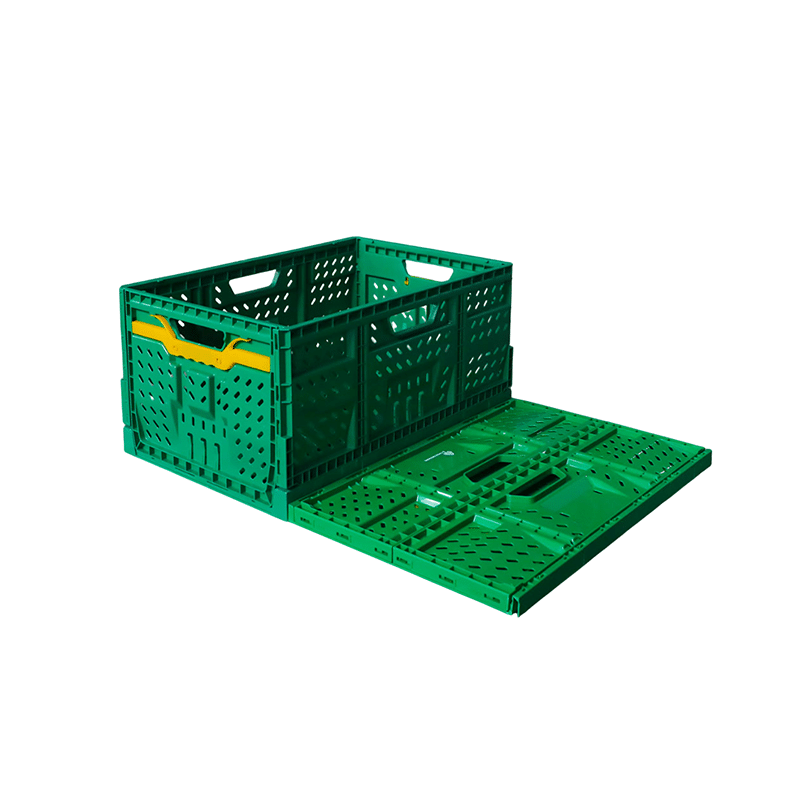
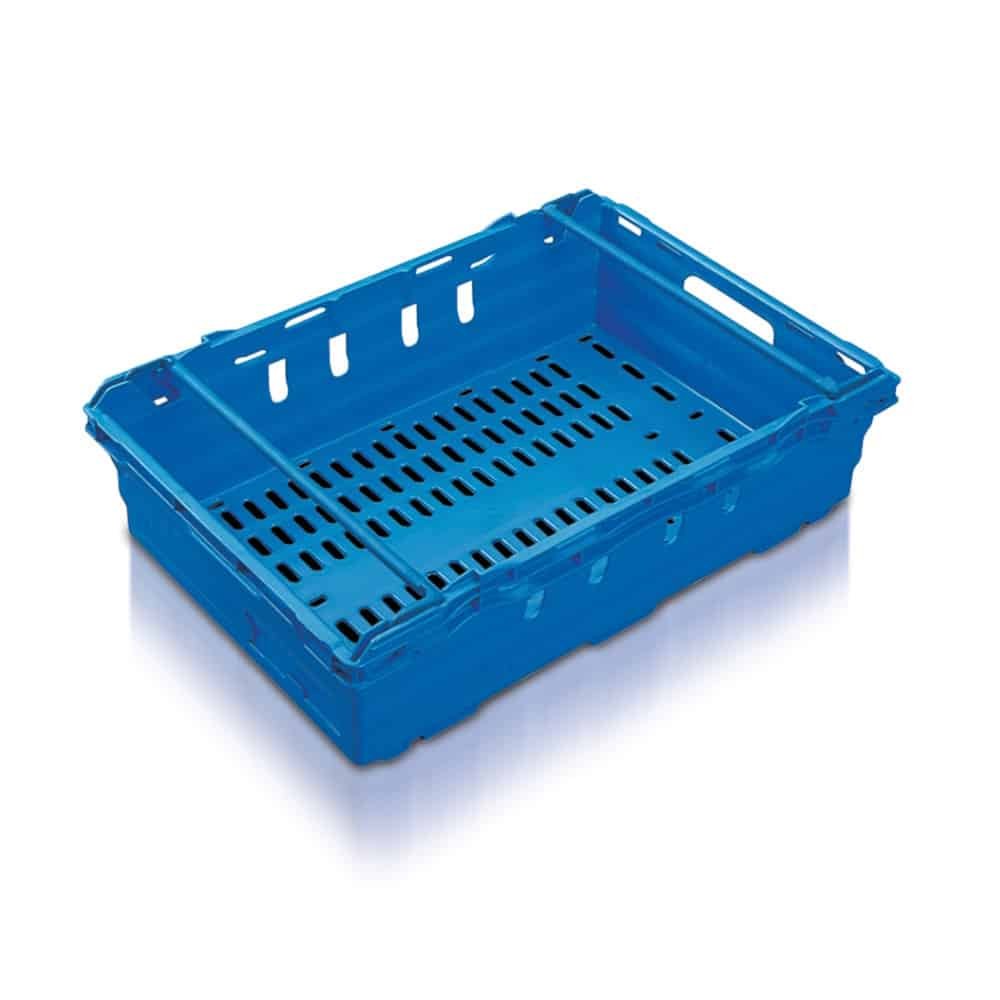
For internal farm movement, Plastic Turnover Crate can support feed, substrate, or harvested material transfer. For empty storage, Plastic Nestable Crates can help reduce space use.
How Should Insect Breeding Boxes Be Cleaned?
Insect farms handle feed residue, moisture, frass, organic waste, and sometimes odor-producing materials. A smooth and easy-clean box reduces labor time between batches.
Cleaning should consider:
- Feed type.
- Moisture level.
- Washing temperature.
- Detergent type.
- Cleaning frequency.
- Drying time after washing.
- Box corner design.
- Vent opening design.
Avoid designs with too many deep corners if your farm uses wet feed. These areas can trap residue and slow cleaning.
TIP: For farms using wet organic feed, test one sample box with your real cleaning process before ordering in bulk.
Can Insect Breeding Boxes Be Customized?
Yes. ENLIGHTENING can customize insect breeding boxes based on box size, material, color, ventilation design, wall thickness, stacking height, logo area, and rack compatibility.
Common customization options include:
- Custom length, width, and height.
- PP or HDPE material.
- Food-grade material option.
- Custom color.
- Vent hole design.
- Reinforced base or wall structure.
- Stackable edge design.
- Logo or batch marking area.
- Optional barcode or label area.
- Rack-matching dimensions.
Custom boxes are useful when standard sizes do not fit your breeding racks, farm aisle layout, insect density, or feeding process.
How Do Insect Breeding Boxes Fit Racks and Farm Layouts?
Box size has a direct impact on farm space use. If boxes do not fit the rack correctly, you lose breeding area and labor efficiency. If boxes stack poorly, workers spend more time adjusting them.
Before ordering, confirm:
- Rack inner width and depth.
- Shelf height.
- Box outer size.
- Box depth.
- Maximum stack height.
- Aisle width.
- Cart size.
- Cleaning area size.
- Room airflow direction.
- Door size between rooms.
For small tools, parts, tags, and farm accessories, Plastic Parts Bins can help organize daily work. For farms that combine insect breeding with plants, composting, or nursery work, Plastic Plant Pots may support related production areas.
What Industries Use Insect Breeding Boxes?
Insect breeding boxes are used by many businesses that need controlled insect growth and repeatable handling.
Common users include:
- Mealworm farms.
- Black soldier fly farms.
- Fly breeding facilities.
- Insect protein producers.
- Animal feed companies.
- Aquafeed suppliers.
- Pet food ingredient producers.
- Organic waste treatment projects.
- Agricultural recycling projects.
- Research labs.
- Universities and pilot farms.
For large farms, the box is part of the full production system. It must match racks, feeding methods, harvesting tools, cleaning stations, and packing flow.
How to Compare Insect Breeding Box Suppliers
When choosing a supplier, do not only compare price. A low-cost box can become expensive if it cracks early, traps residue, wastes rack space, or causes unstable stacking.
A reliable supplier should help you confirm:
- Insect species.
- Growth stage.
- Feed type.
- Moisture level.
- Box size.
- Ventilation design.
- Rack size.
- Stack height.
- Material choice.
- Cleaning method.
- Export packing method.
| Supplier Factor | Why It Matters |
|---|---|
| Factory experience | Better control over material, molding, and batch quality. |
| Custom ability | Helps match box size to rack and production layout. |
| Ventilation design support | Important for airflow, moisture, and insect control. |
| Stable production capacity | Reduces delay risk for farm expansion projects. |
| Sample support | Helps test stacking, cleaning, and breeding use before bulk orders. |
ENLIGHTENING focuses on practical product matching. We help buyers choose boxes based on real farm use, not only catalog size.
Why Choose ENLIGHTENING Insect Breeding Boxes?
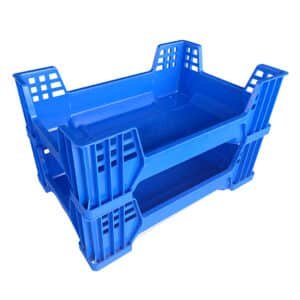
ENLIGHTENING supplies plastic boxes, trays, crates, and handling products for insect farming, food processing, agriculture, logistics, and industrial use. For insect breeding, we focus on ventilation, stack stability, cleaning convenience, and long-term use.
Our insect breeding boxes can support:
- Mealworm and larvae farming.
- Fly breeding and egg handling.
- BSF production systems.
- Indoor rack breeding rooms.
- Batch separation and farm management.
- Easy cleaning after each production cycle.
- Bulk supply for farms and distributors.
- Custom size, color, material, and logo options.
Send us your insect species, box size, rack drawing, feed weight, room temperature, stacking height, and target quantity. We will recommend insect breeding boxes that fit your production process and farm layout.