
Get Our Best Quotation
ENLIGHTENING will never abuse, misuse, sell, or improperly disclose the information you submit via our forms.
Certified Medical Waste Bins for B2B Procurement | ENLIGHTENING
Explore high-density medical waste bins by ENLIGHTENING. Biohazard-safe, hands-free, and fully compliant with international healthcare codes.
- Biohazard Containment
- Hands-Free Control
- Chemical Immunity
Medical Waste Bins: Tailored Solutions for Demanding Environments
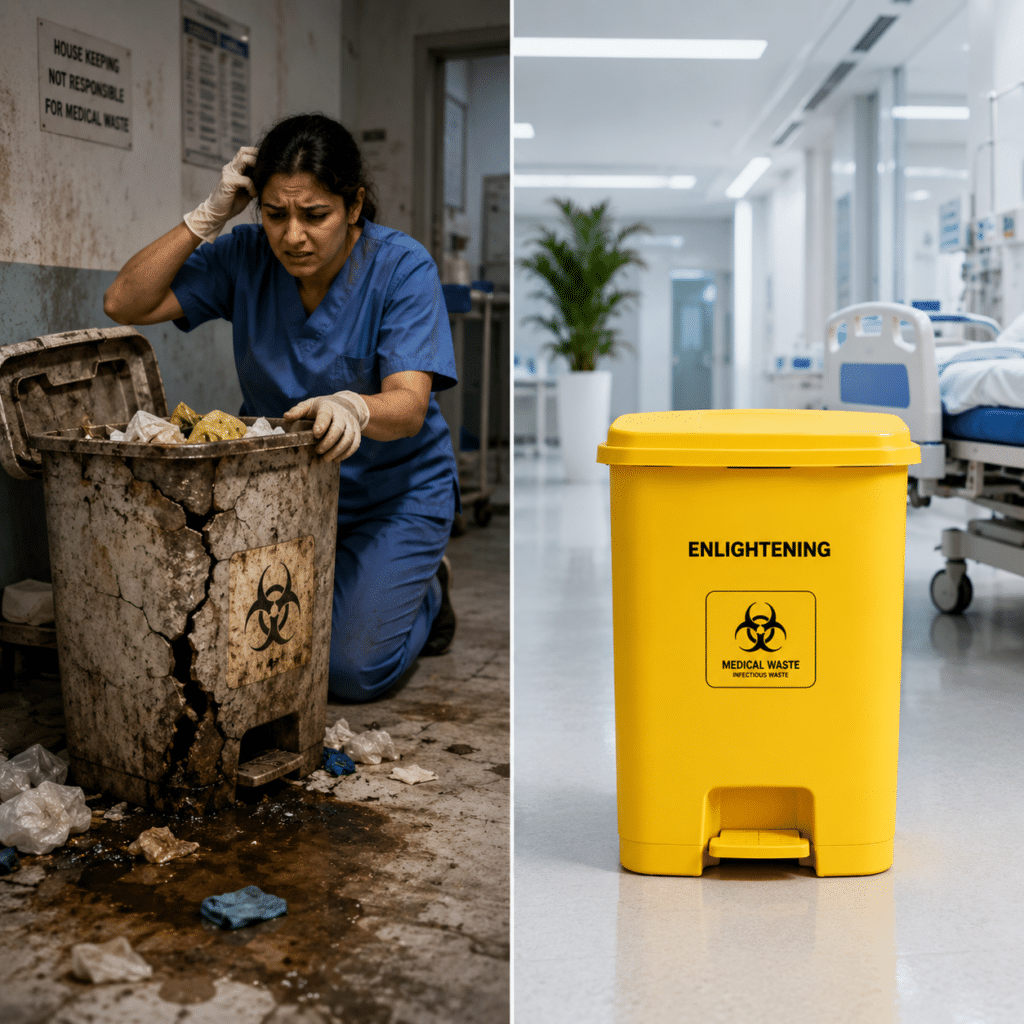
Crucial for rapid, hands-free disposal of contaminated blood bags, operating smoothly next to highly visible clinical yellow plastic waste bins.
Ideal for isolating toxic biological samples right at the workstation while sharing floors with specialized medical waste plastic bins.
Streamlines the immediate staging of disposable instruments when paired with highly accessible medical waste pedal bins.
Captures manufacturing reject batches without shedding particulates, operating safely alongside specialized cleanroom plastic containers.
Built to bulk-stage heavy biohazard refuse volumes safely before transport, matching perfectly with large capacity plastic waste bins.
Ensures a highly discreet, odor-locked environment for patient wards when integrated near slim plastic waste bins.
Safely captures contaminated cotton and needle casings next to high-durability impact resistant polypropylene waste bins.
Collects packaging scraps and broken equipment smoothly while operating alongside robust medical supply plastic crates.
What Operational Challenges Do Stackable Plastic Crates Solve?
Struggling with cross-contamination and virus exposure during manual lid opening? Touching infected waste lids creates extreme liability for hospital staff, which is why our medical waste bins feature smooth foot-pedal systems to ensure zero-contact disposal and protect healthcare workers.
Frustrated by bottom seam splitting under heavy, hazardous liquid waste? Liquid biohazard waste can easily split low-grade bins, but our reinforced, injection-molded bottom bases can support heavy medical fluids without dangerous structural leakage.
Exhausted by container discoloration and cracking caused by chemical bleaching? Frequent sanitation using aggressive hospital disinfectants breaks down cheap plastics, yet our chemically inert high-density polymers withstand harsh sanitizers flawlessly.
Anxious about failing strict public health audits due to poor vector control? Loose-fitting lids allow bad odors to escape and attract pests, but our secure, weighted overlock lids seal odors tight to keep your facility fully health code compliant.
Medical Waste Bins: Recommended Product Pairings
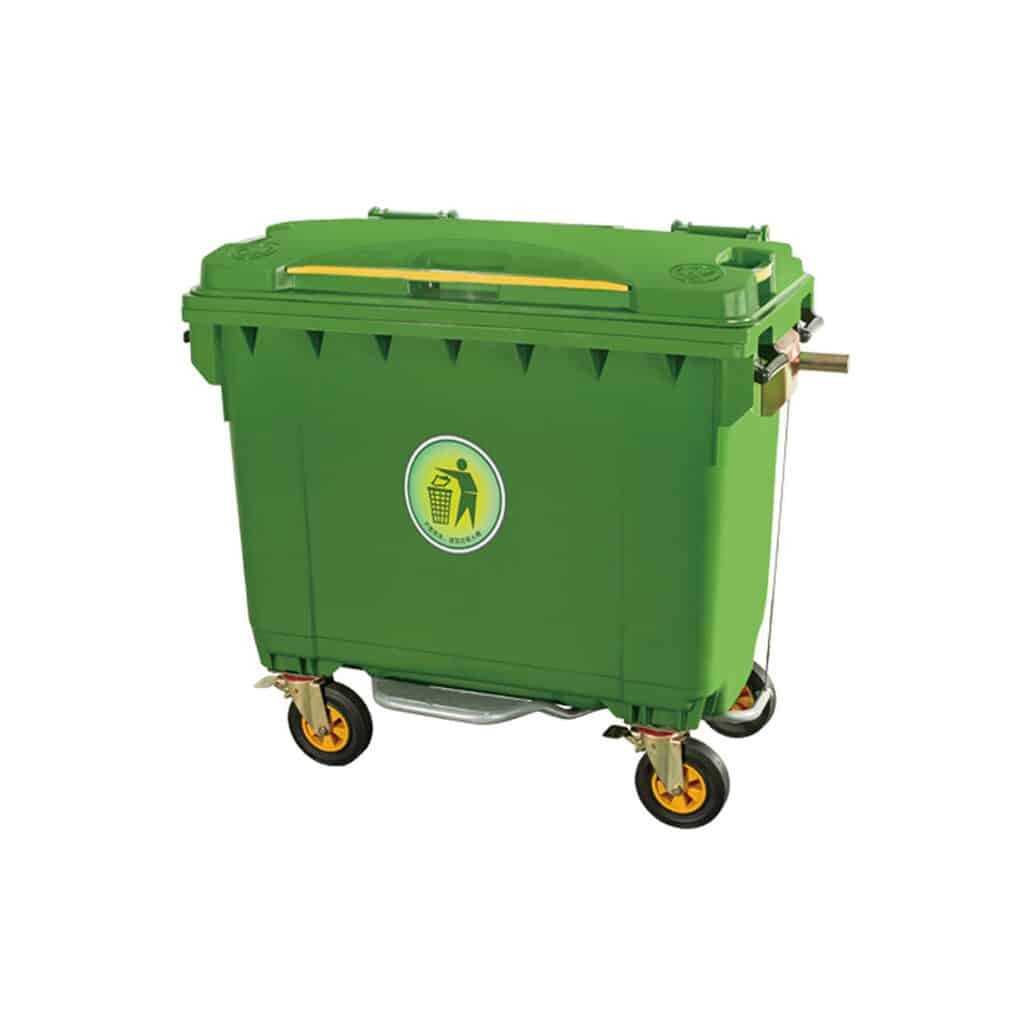
Large Plastic Trash Bin
A high-capacity central garbage container ideal for staging non-hazardous hospital waste outside main medical wards.
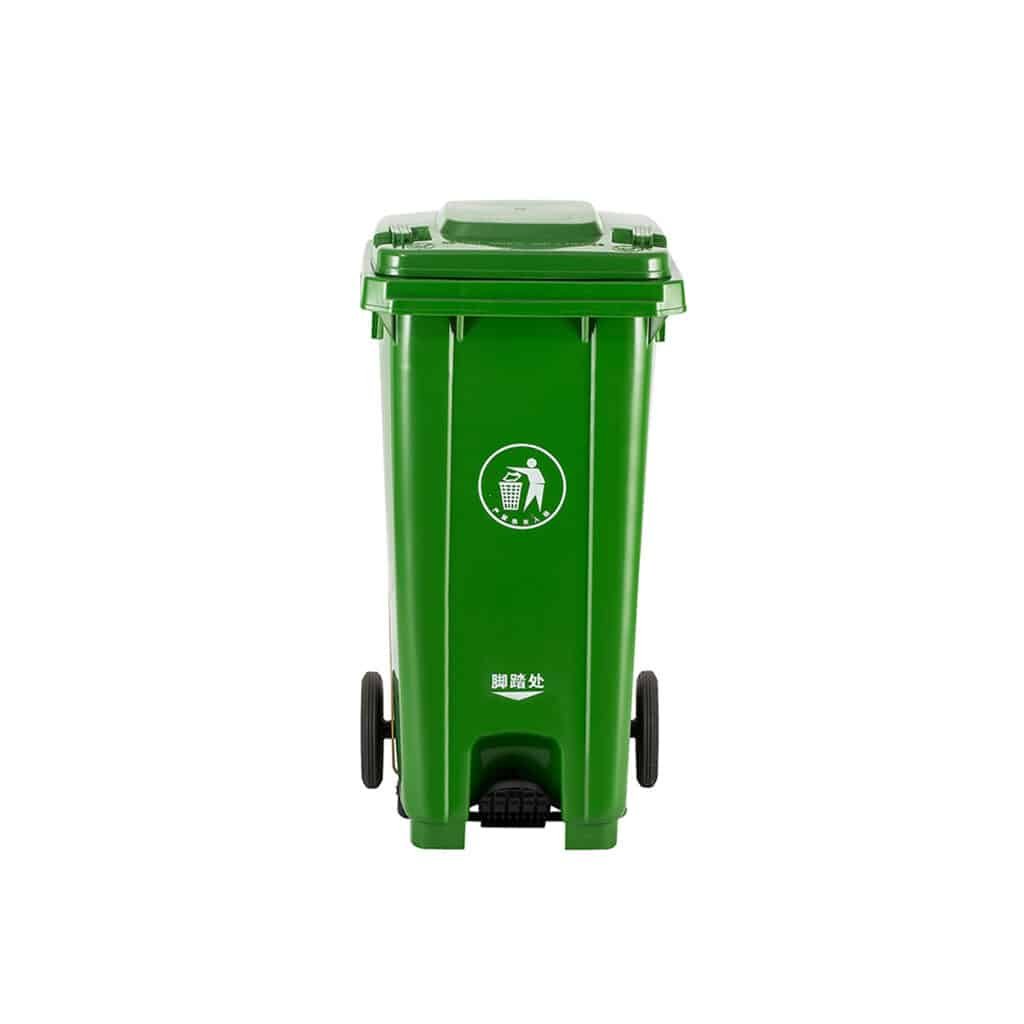
Plastic Trash Bin with Pedal
Offers completely hands-free organic trash disposal, maintaining exceptional sanitary compliance inside facility cafeteria kitchens.
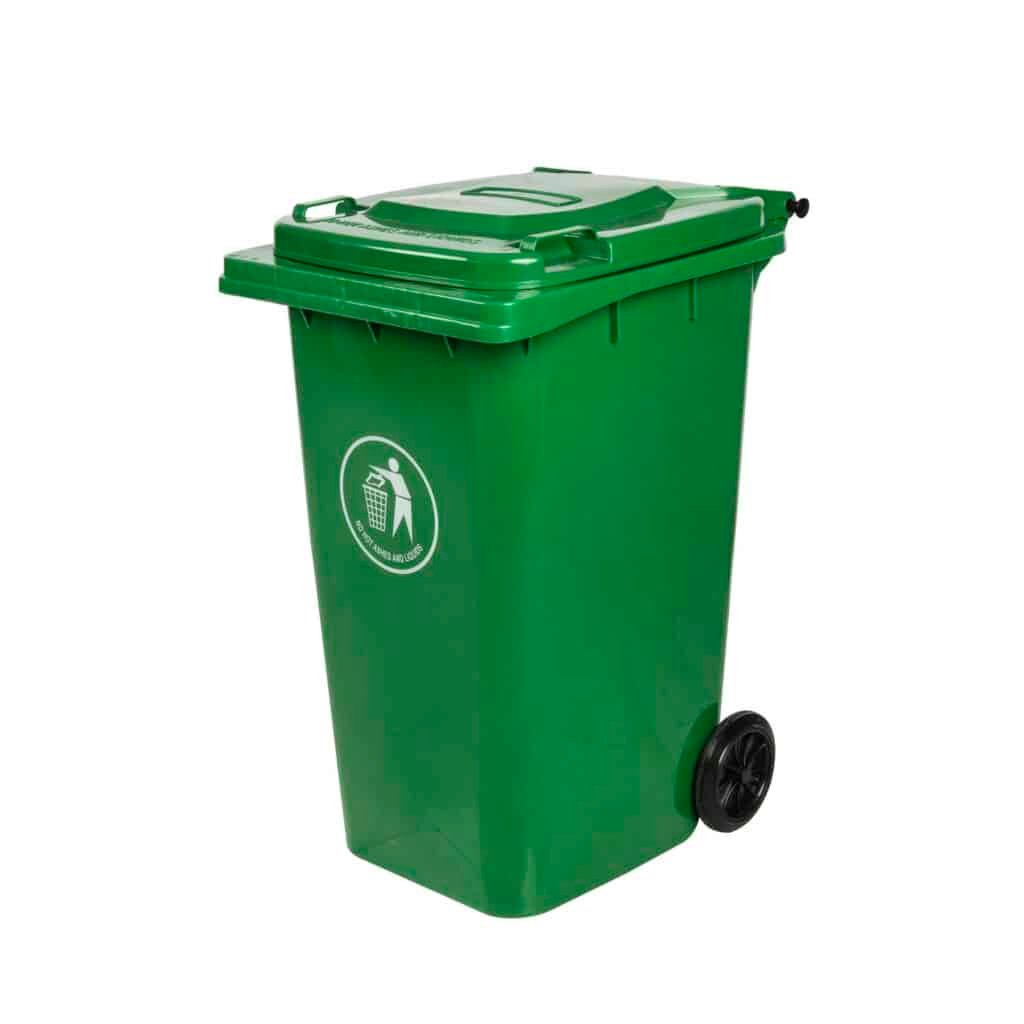
Waste Bins with Lids
Heavy-duty, tightly sealing containers perfect for suppressing volatile compounds and hazardous vapors across clinical zones.
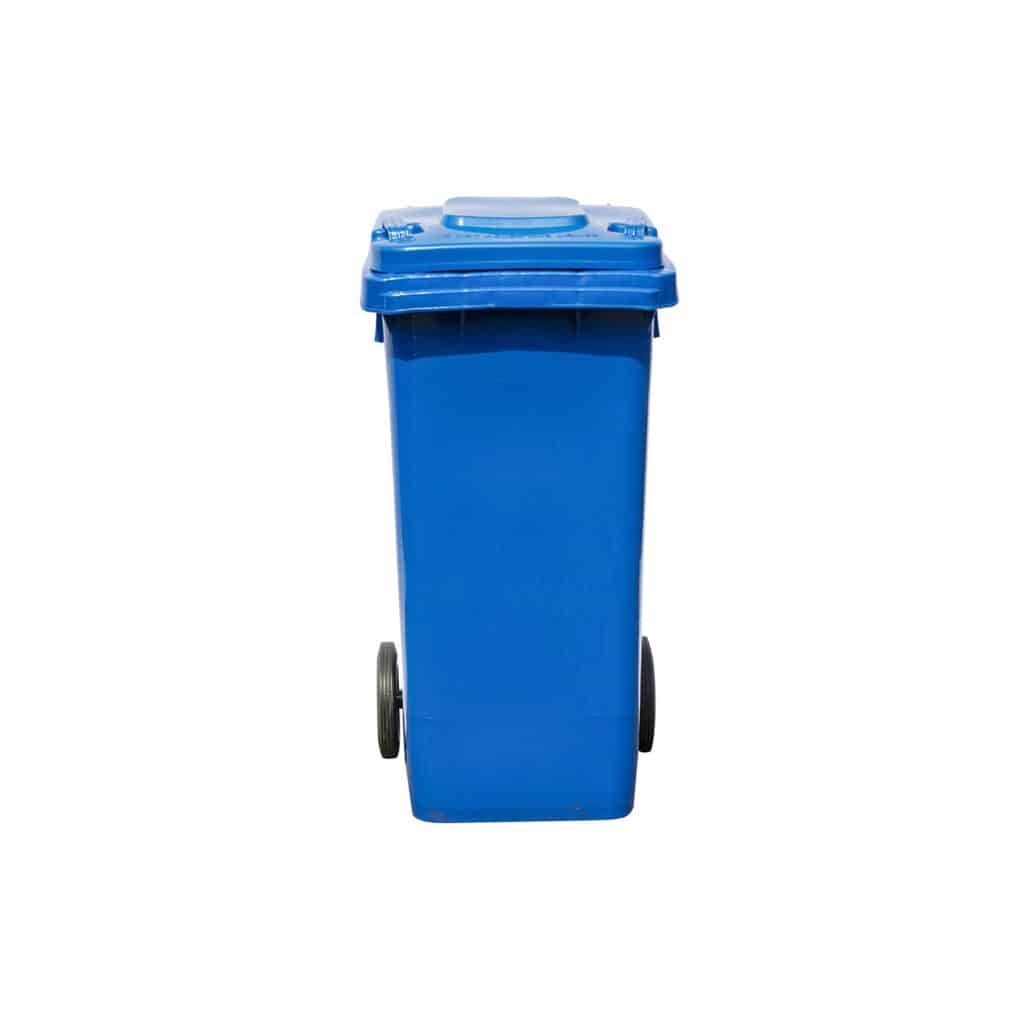
Plastic Trash Bins with Wheels
Equipped with ultra-durable, integrated wheels for smooth, zero-strain transit of bulk waste to outdoor loading docks.
Contact the international B2B procurement experts at ENLIGHTENING today to secure specialized, volume-based wholesale quotes tailored perfectly to your global hospital supply chain requirements.
Medical Waste Bins: Material & Performance Specifications
Our professional-grade medical waste bins are engineered using premium, virgin high-density polymers to ensure exceptional structural performance across severe healthcare environments.
| Specification Dimension | Performance Capabilities & Material Attributes |
| Material Base | High-Impact Polypropylene (PP) and Virgin High-Density Polyethylene (HDPE) |
| Impact Resistance | Thick-wall construction prevents structural cracking from rough hospital bed or cart collisions |
| UV Resistance | Stabilized against solar degradation, making them perfect for outdoor biohazard staging docks |
| Corrosion Resistance | Completely unaffected by aggressive clinical acids, chlorine bleach, and heavy disinfectants |
| Food Grade Option | FDA-compliant raw material options available for healthcare kitchen and nutrition zones |
| Anti-Static Option | Custom anti-static surface treatments available for high-tech operating rooms and labs |
| Temperature Resistance | Maintains full structural integrity during cold storage or high-temperature washdowns |
| Load Capacity | Structural walls are rated to transport dense, heavy fluid medical waste without bowing |
How to Choose the Right Medical Waste Bins for Your Fleet?
Selecting the right commercial healthcare equipment requires matching your facility architecture with the correct technical product parameters.
| Selection Metric | Operational Requirements & Purchasing Guide |
| Application | Emergency rooms, sterile clinical laboratories, or centralized biohazard loading docks |
| Capacity | Ranging from compact step-on bins for patient rooms to massive wheelie bins for bulk logistics |
| Load Requirement | Heavy-duty wall thickness ratings designed to reliably support dense liquid clinical waste |
| Temperature | Built to safely withstand hot steam sterilization cycles and freezing pharmaceutical zones |
| Storage Method | Uniform footprints engineered to fit neatly into tightly spaced clinic alcoves or wall recesses |
| Design Style | Space-saving shapes engineered to optimize international ocean freight container layouts |
| Grade Classification | Strict medical-grade certified configurations featuring prominent international biohazard logos |
| Indoor / Outdoor Use | Weather-stabilized bodies built to handle indoor hospital corridors or outdoor disposal yards |
The Definitive B2B Procurement Guide to Medical Waste Bins
Introduction
In large-scale hospital administration, clinical lab operation, and healthcare supply chain management, choosing professional sanitation equipment has a direct impact on your operational uptime, staff safety, and regulatory compliance. Industrial medical waste bins are far more than simple trash cans; they are highly engineered safety assets required to maintain strict compliance with international public health standards and biohazard control laws. This comprehensive guide outlines the essential technical metrics, engineering designs, and logistical advantages procurement officers must evaluate before buying a medical waste bins fleet.
Key Takeaways
Virgin Polymer Shielding: Specifying virgin HDPE prevents dangerous cracks caused by aggressive chemical bleaching.
Hands-Free Safety ROI: Choosing high-durability foot pedals drastically reduces expensive staff infection liabilities.
Airtight Vapor Control: Secure, mechanical lid locks eliminate vector risks and contain volatile odors completely.
Logistical Standardization: Selecting nestable shapes lowers bulk international ocean freight landing costs.
Why Advanced Chemical Resistance Matters in Biohazard Refuse Management
The chemical exposure encountered in modern healthcare environments places massive structural demands on any medical waste bins fleet. To prevent hospital-acquired infections, clinical containers face constant exposure to aggressive disinfectants, concentrated chlorine bleaches, and hot steam. Low-grade plastics degrade rapidly under these conditions, leading to brittle walls and hazardous leaks. High-end medical waste bins are injection-molded from specialized high-density polymers that offer complete chemical neutrality.
[Aggressive Bleach & Sanitizers]
                │
                ▼
[Chemical Degradation Attack] ──► [Brittle Wall Cracking] ──► [ENLIGHTENING Polymer Shielding] ──► [Zero Hazardous Leaks]
This absolute chemical resistance prevents the container walls from thinning or pitting over time, ensuring your medical waste bins fleet avoids biohazard leaks and maintains perfect structural stability for years of service.
TIP: Always ensure your manufacturer uses certified virgin polymers rather than unverified recycled plastics, as recycled alternatives absorb odors and degrade quickly when exposed to hospital-grade disinfectants.
Engineering Superior Cross-Contamination Defenses and Vector Control
Managing cross-contamination risks is the single highest priority for facility managers operating inside surgical suites, diagnostic labs, and infectious disease wards. If a medical trash container requires workers to open the lid manually, the risk of transferring pathogens to the hands increases exponentially. Advanced commercial medical waste bins completely eliminate this contact point by utilizing robust, integrated step-on pedal linkages.
| Foot-Pedal Engineering Metric | Light Commercial Receptacles | Industrial Medical Waste Bins |
| Linkage Material Profile | Thin Plastic Strips | Heavy-Duty Internal Steel Bars |
| Cycle Lifetime Test | Approximately 10,000 Steps | Exceeds 100,000 Continuous Steps |
| Lid Seal Engagement | Loose Friction Fit | Airtight Weighted Overlock |
| Primary Operational Area | Light Office Spaces | Demanding Hospital & Clinical Wards |
This heavy-duty design ensures the lid opens cleanly every time and snaps back down to seal dangerous odors and airborne pathogens inside the container.
Enhancing Workplace Ergonomics and Mobility Across Large Hospital Complexes
Transporting dense, heavy clinical waste presents significant physical challenges for facility janitorial teams. When waste bins lock up, tip over, or stick on uneven elevator thresholds or floor drains, it slows down cleaning crews and risks spilling hazardous material. Premium commercial medical waste bins are engineered with heavy-duty caster mounts and industrial ball-bearing wheels to ensure smooth movement across all facility layouts.
[Industrial Ball-Bearing Casters] ──► [Low Roll Resistance] ──► [Reduced Lower-Back Strain]
These wheels are selected to be non-marking, keeping your polished hospital floors safe from ugly black scuffs. Integrated ergonomic push bars also allow workers to handle full loads without excessive bending, keeping your labor force safe and productive.
TIP: Selecting casters equipped with integrated stainless steel thread guards prevents loose bandages and hair from clogging the wheel axles, ensuring smooth mobility over the long term.
Streamlining Sanitation Workflows with Smooth Interior Construction
A container’s maintenance routine directly impacts your overall labor costs and turnaround speed. Low-grade containers often feature sharp internal angles and exposed structural ribs that trap wet waste and fluids. These hard-to-reach pockets require time-consuming manual scrubbing and become breeding grounds for bacteria, violating strict hospital hygiene rules.
Industrial medical waste bins solve this bottleneck by using highly polished, smooth interior walls and curved corners. This design lets trapped waste slip out effortlessly during dumping, allowing your janitorial staff to complete rapid high-pressure washdowns and keep operations moving efficiently.
Maximizing Supply Chain Logistics for Global Bulk Procurement
For procurement officers managing complex global supply chain networks, container shipping logistics and storage efficiency are major factors in final procurement costs. Standardized medical waste bins feature nestable, taper-walled designs that minimize the physical volume required during ocean freight transport and warehouse staging.
[Taper-Walled Nestable Profiles] ──► [Maximized Container Density] ──► [Reduced Ocean Freight Costs per Unit]
By maximizing shipping container density, this design approach helps you squeeze more units into every ocean container, lowering your total landed cost per unit and keeping a reliable supply of equipment across your global facilities.
Frequently Asked Questions
What material is ideal for medical waste bins in heavy-duty hospital environments?
Industrial medical waste bins should always be manufactured from virgin high-density polyethylene (HDPE) or high-impact polypropylene (PP). These polymers offer excellent impact resistance, remain completely unaffected by heavy hospital acids or chemical bleaches, and handle daily sanitizing washdowns without warping.
How do these commercial medical waste bins control cross-contamination and bad odors?
Premium medical waste bins utilize hands-free, step-on foot pedals and heavy, weighted lids. This system allows healthcare workers to dispose of biohazards without touching the bin, while the airtight lid seal keeps dangerous odors and airborne pathogens safely contained inside.
Can these biohazard waste bins handle high-temperature automated washing?
Yes. Our commercial-grade medical waste bins are structurally engineered to withstand continuous high-pressure sanitizing steam and automated industrial wash cycles up to +60°C without experiencing any structural warping or material breakdown.
Why should B2B buyers select nestable or stackable waste bins?
Nestable designs drastically reduce the volume of bulk ocean shipments and warehouse storage. This space efficiency allows procurement managers to maximize shipping container density, lowering freight costs per unit and optimizing your overall supply chain budget.
Are non-marking casters durable enough for rough outdoor loading docks?
Yes. The 360-degree casters used on our mobile medical waste bins combine non-marking polyurethane treads with heavy-duty internal ball bearings. This allows them to glide quietly across indoor clinical floors while remaining tough enough to handle rough outdoor concrete loading docks.