
Get Our Best Quotation
ENLIGHTENING will never abuse, misuse, sell, or improperly disclose the information you submit via our forms.
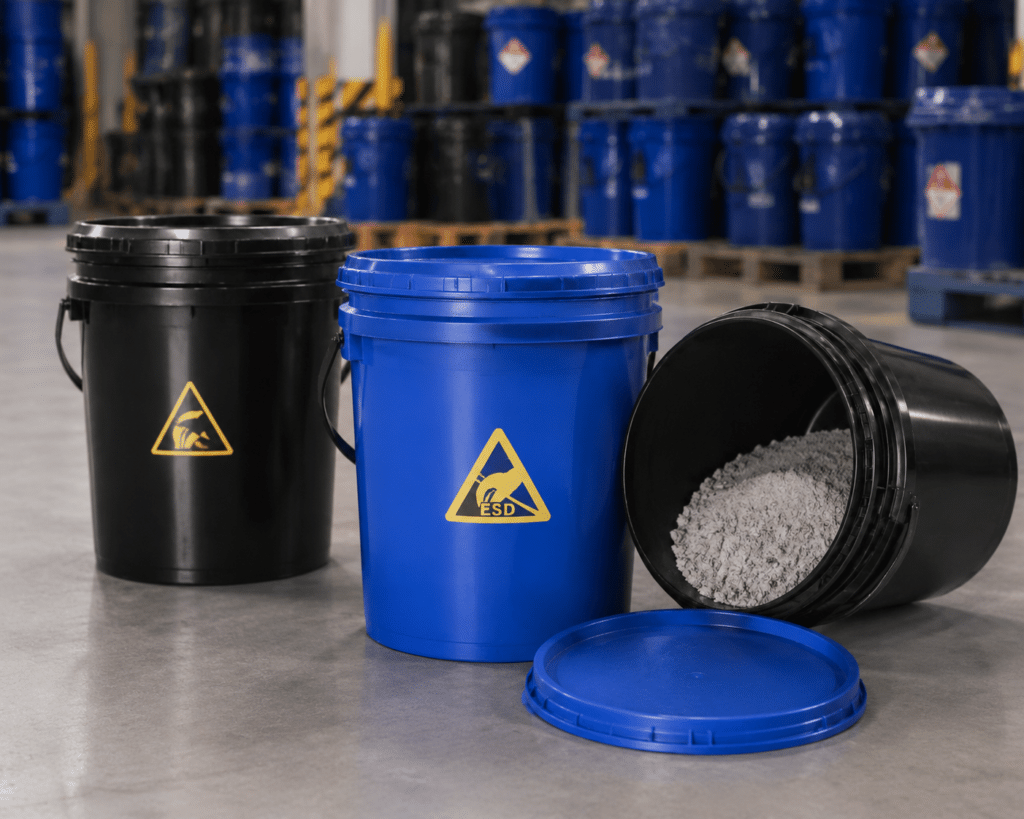
Antistatic Plastic Buckets | Certified ESD Safe Bulk Supply
- Guaranteed ESD Safety
- Explosion & Spark Prevention
- Chemical Integrity Defense
Nestable Plastic Crates: Ideal Application Scenarios
Engineered specifically for volatile manufacturing zones to drain static charges safely before a spark can form.
Protects sensitive circuitry components from catastrophic static shock when stored alongside specialized anti static plastic crates.
Safely holds raw chemical formulas in hazardous zones alongside high-durability chemical storage buckets.
Stores flammable primers and precision electronics within modern automotive parts crates without risking spark damage.
Maintains full particulate control and safe voltage dissipation near specialized cleanroom plastic containers.
Secures volatile substances safely when paired across facilities with hazardous chemical pails.
Ensures stable storage of sensitive powders when run concurrently with medical supply plastic crates.
Handles crucial aerospace fuel additives and hydraulic fluids safely next to heavy duty transport crates.
Addressing Critical Logistics & Storage Pain Points
Experiencing dangerous electrostatic shocks during rapid line handling? Standard containers accumulate high surface charges during friction, but integrating ESD-safe storage with heavy duty plastic crates immediately neutralizes the shock risk.
Worried about catastrophic friction sparks in volatile chemical zones? Normal pails act as electrical insulators that spark unexpectedly, making it necessary to update your inventory near industrial plastic crates for full grounding.
Dealing with high dust attraction that contaminates clean industrial raw materials? Static fields pull atmospheric particles right into the mix, but utilizing specialized buckets alongside warehouse storage crates keeps dust completely away from your valuable items.
Struggling with container failure when stacking materials vertically in high-risk zones? Basic ESD packaging often sacrifices raw structural integrity, making it vital to choose heavy-duty alternatives matching stackable plastic crates.
Recommended Products for Nestable Plastic Crates
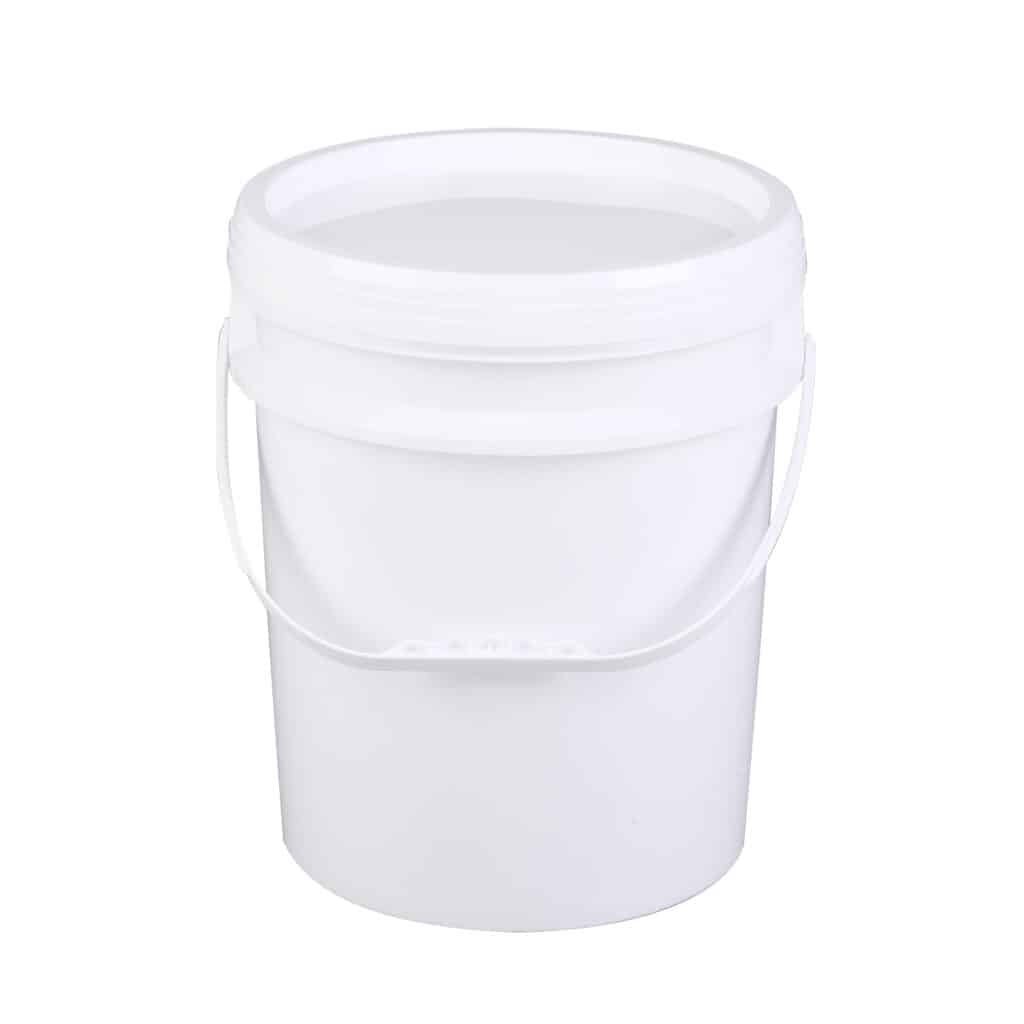
5 Gallon Plastic Buckets
The global capacity standard for chemical and fluid handling, fortified for rigorous industrial line transport.
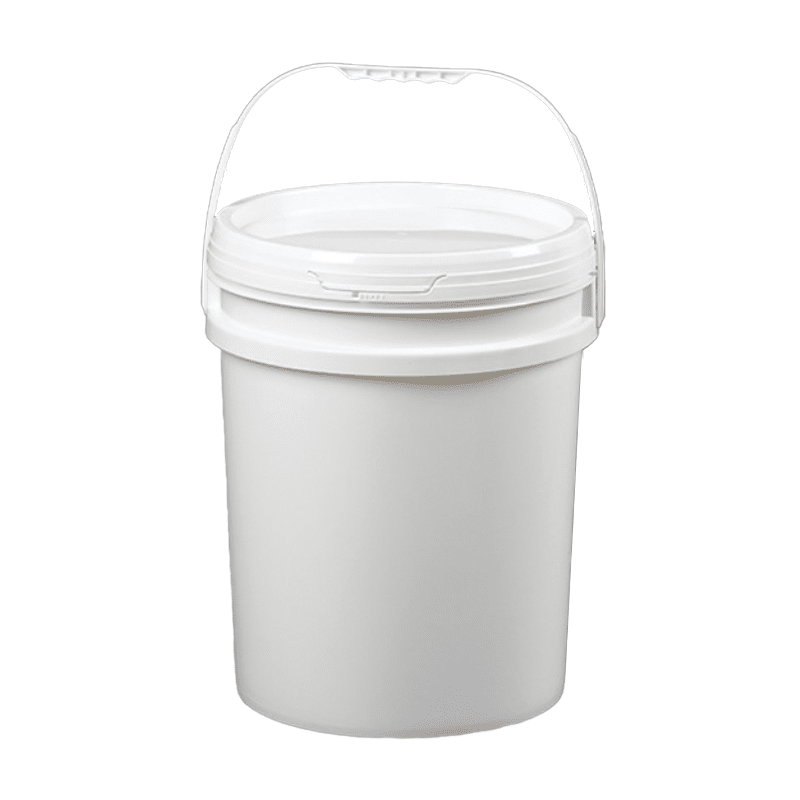
Large Plastic Bucket
Heavy-capacity bulk containment solution designed to withstand intense hydrostatic pressure without wall bowing.
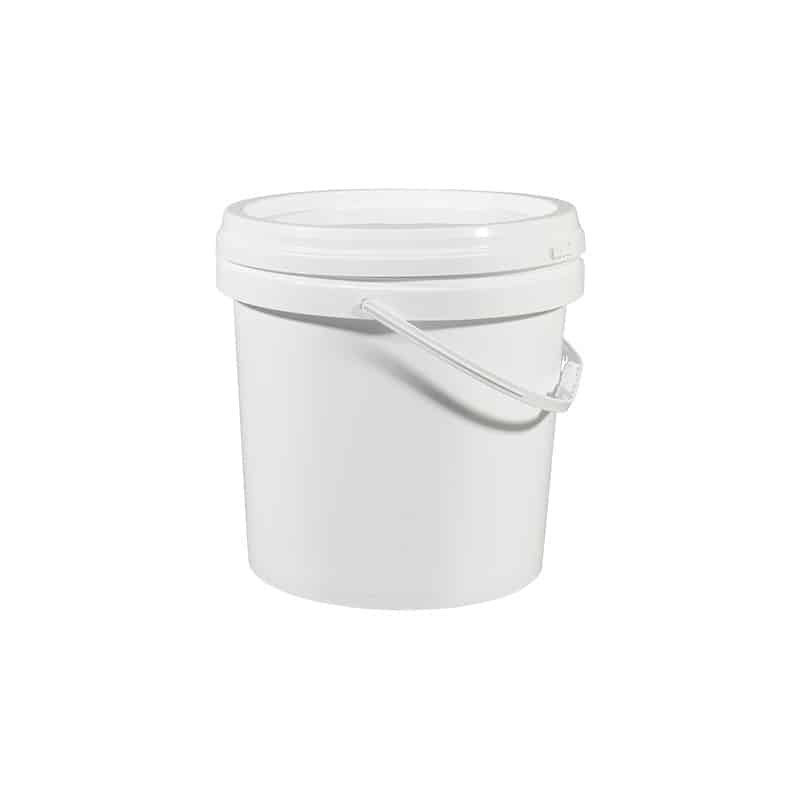
Plastic Bucket with Handle
Features an ultra-reinforced metal handle with grounded grip options for secure manual pouring.
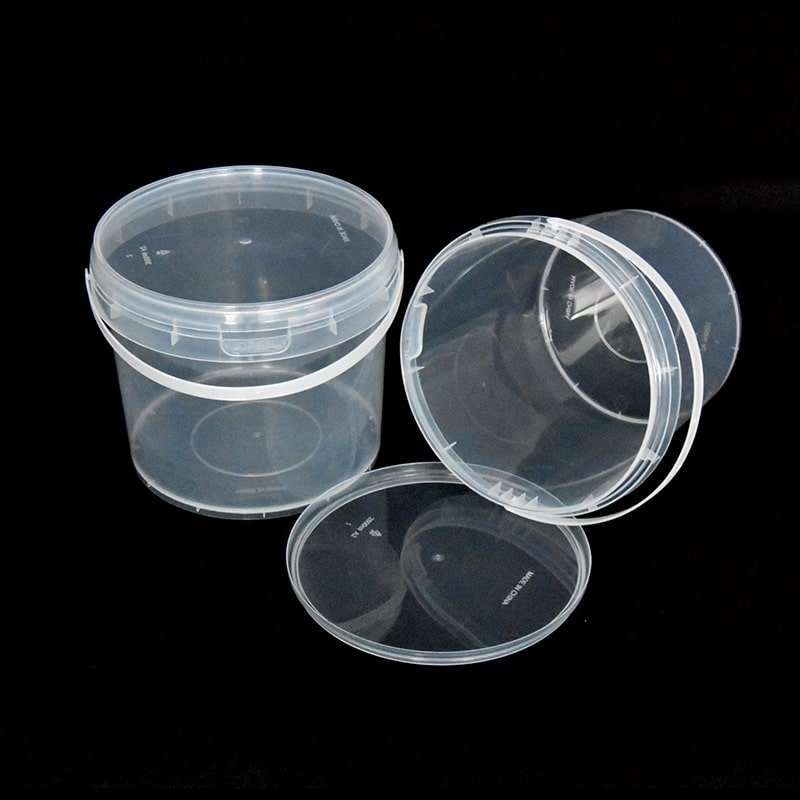
Clear Plastic Bucket
Offers direct material level monitoring for safe fluids while maintaining targeted structural wall performance.
Contact ENLIGHTENING today, and our technical engineering staff will analyze your plant’s specific surface resistivity requirements to match you with the ideal certified antistatic plastic buckets.
Material Engineering & Performance Analytics
Our anti-static solutions utilize premium virgin polymer resins precisely blended with conductive carbon or topical additives to achieve permanent surface resistivity control.
| Material Evaluation Attribute | Polypropylene (PP) Performance | High-Density Polyethylene (HDPE) Performance | Polyethylene (PE) Performance |
| PP / HDPE / PE material | High-rigidity co-polymer base | High-density linear polymer chain | Highly flexible base polymer |
| impact resistance | Excellent (When impact-modified) | Outstanding (High energy absorption) | Exceptional elasticity under stress |
| UV resistance | Requires specialized UV stabilizers | High natural resistance to outdoor weathering | Good lifespan under moderate exposure |
| corrosion resistance | Immune to technical solvents and acids | Inert to aggressive industrial chemicals | Highly resistant to commercial salts |
| food grade option | Readily available in specialized batches | Fully compliant configurations available | Available for food processing lines |
| anti-static option | $10^3 – 10^5\ \Omega$ (Conductive blend) | $10^6 – 10^9\ \Omega$ (Dissipative blend) | Surface-modified dissipative option |
| temperature resistance | Superior high-heat limits (Up to 100°C) | Excellent cold-temperature flexibility | Top choice for blast-freezing zones |
| load capacity | High structural deflection strength | Superior vertical load-bearing limits | Moderate; focuses on flex over load |
B2B Selection Blueprint: How Do You Select the Right ESD Container?
Choosing a proper static-safe container requires a comprehensive review of operational voltage limits, mechanical strain, and chemical compatibility.
| Procurement Vector | Industrial Operational Requirement |
| Application | Semiconductor handling, volatile paint mixing, or explosive dust storage. |
| Capacity | Ranging from compact 1-gallon testing pails to high-volume bulk supply units. |
| Load requirement | Total maximum compression load for safe vertical stacking on automated warehouse racks. |
| Temperature | Safe operation spanning from deep-freeze chemical preservation to hot-fill manufacturing lines. |
| Storage method | Complete compatibility with static ground wires, metal racking, or automated conveyor bays. |
| Stackable / nestable / collapsible | Maximizing spatial footprint during return empty transport versus loaded vertical stiffness. |
| Food grade or industrial grade | Compliance with strict FDA/EU purity regulations versus heavy industrial resistance. |
| Indoor or outdoor use | Inclusion of permanent carbon-black UV stabilizers for outdoor yards versus indoor use. |
Comprehensive Guide to Industrial Antistatic Plastic Buckets
Introduction
In industrial environments handling volatile solvents, combustible powders, or highly sensitive electronic components, an uncontrolled static spark can lead to catastrophic explosions or massive product failures. Standard plastic containers are classic electrical insulators that generate and store surface charges via friction. Upgrading to engineered antistatic plastic buckets provides chemical and manufacturing plants with a secure pathway to completely neutralize electrostatic risks while maintaining excellent physical storage performance.
Key Takeaways
Advanced carbon-infused compounds bring surface resistivity down to safe dissipative ranges.
Mitigating static charge completely prevents industrial factory floor dust attraction.
Reinforced container walls preserve structural integrity during heavy vertical pallet stacking.
Sourcing certified ESD solutions significantly lowers factory insurance risks and component defect rates.
The Science of Static Dissipation in Polymers
Untreated plastics possess a surface resistivity exceeding $10^{12}\ \Omega$, making it impossible for static electricity to move or discharge safely to the ground. By modifying the polymer matrices with advanced conductive compounds, antistatic plastic buckets drop their electrical resistance to a safe range between $10^6\ \Omega$ and $10^9\ \Omega$. This specific chemical alteration ensures that triboelectric charges generated during transit are drained immediately away to grounded surfaces.
Furthermore, selecting between an HDPE or PP base depends heavily on your workflow temperatures. HDPE provides exceptional structural elasticity in sub-zero environments, whereas PP delivers the high tensile strength required for hot-filling chemicals without bucket wall deflection.
TIP: Ensure that your warehouse floors are properly grounded or use conductive mats to let your antistatic containers discharge their surface energy effectively.
Eliminating Hazards in Volatile Logistics Workflows
High-speed industrial logistics involve constant friction. Whether sliding down sorting conveyors or shifting on pallets during transit, standard pails constantly generate electrical charges. Pairing your anti-static pails with specialized nestable plastic crates ensures a cohesive, non-sparking transport system that secures hazardous components.
| Logistics Hazard Vector | Failure Result | Material Prevention Feature |
| Conveyor Friction | High static charge buildup | Conductive additive pathways route charge away |
| Vapor Ignition | Catastrophic solvent fire | Spark-free contact points minimize discharge |
| Particulate Attraction | Raw chemical contamination | Low surface charge stops magnetic dust attraction |
Maximizing Vertical Warehouse Storage Efficiency
Industrial managers cannot afford to sacrifice floor space, meaning vertical stacking remains essential. However, adding high vertical weight to structural containers can cause standard pails to buckle over time due to material creep. Combining heavy-duty static-safe buckets with rugged heavy duty industrial plastic crates ensures excellent weight distribution across multi-tier storage configurations.
[ Tier 3 Loaded Container ] ➔ Shifts vertical forces directly down to reinforced container rims
[ Tier 2 Loaded Container ] ➔ Anti-slip nesting structures prevent lateral stack shifting
[ Tier 1 Base Container   ] ➔ Thickened structural walls completely absorb total pallet load
TIP: Conduct routine inspections of stack configurations to ensure that environmental humidity levels have not altered your overall floor grounding efficiency.
Adhering to International Safety Regulations
Operating a modern industrial facility requires strict compliance with international safety protocols. In addition to securing materials on the production line, maintaining a static-safe plant extends to your facility’s waste disposal methods. Deploying non-sparking buckets alongside heavy-duty sanitation plastic waste bins ensures a clean, sparks-free waste management routine.
For operations handling toxic or corrosive runoffs, integrating your safety pails near specialized spill kit containers guarantees immediate emergency response without the risk of friction sparks igniting volatile fumes.
Frequently Asked Questions
How do antistatic plastic buckets differ from standard plastic pails?
Standard pails are electrical insulators that hold onto static electricity generated by friction, creating a high risk of unexpected sparks. Antistatic plastic buckets are molded with specialized conductive or dissipative additives that allow static charges to flow smoothly across the surface and dissipate harmlessly to the ground.
Do anti-static properties degrade over time?
Permanently modified containers that incorporate carbon-black or complex molecular additives into the resin will retain their anti-static performance indefinitely. Topically treated containers, however, can experience diminished performance if subjected to harsh washing cycles or heavy abrasive friction.
Can these containers be safely deployed in deep freeze conditions?
Yes. When manufactured using a high-density polyethylene (HDPE) base, these buckets retain their impact resistance and static dissipation capabilities down to temperatures as low as $-40^\circ\text{C}$, preventing cold-shattering.
What is the difference between conductive and static dissipative packaging?
Conductive packaging has a surface resistance of 10³ to 10⁵ Ω, allowing electrical charges to move across it very quickly. Static dissipative packaging has a mid-range resistance of 10⁶ to 10⁹ Ω, providing a more controlled, slower dissipation of electrical charges to maximize safety in explosive powder zones.