
Get Our Best Quotation
ENLIGHTENING will never abuse, misuse, sell, or improperly disclose the information you submit via our forms.
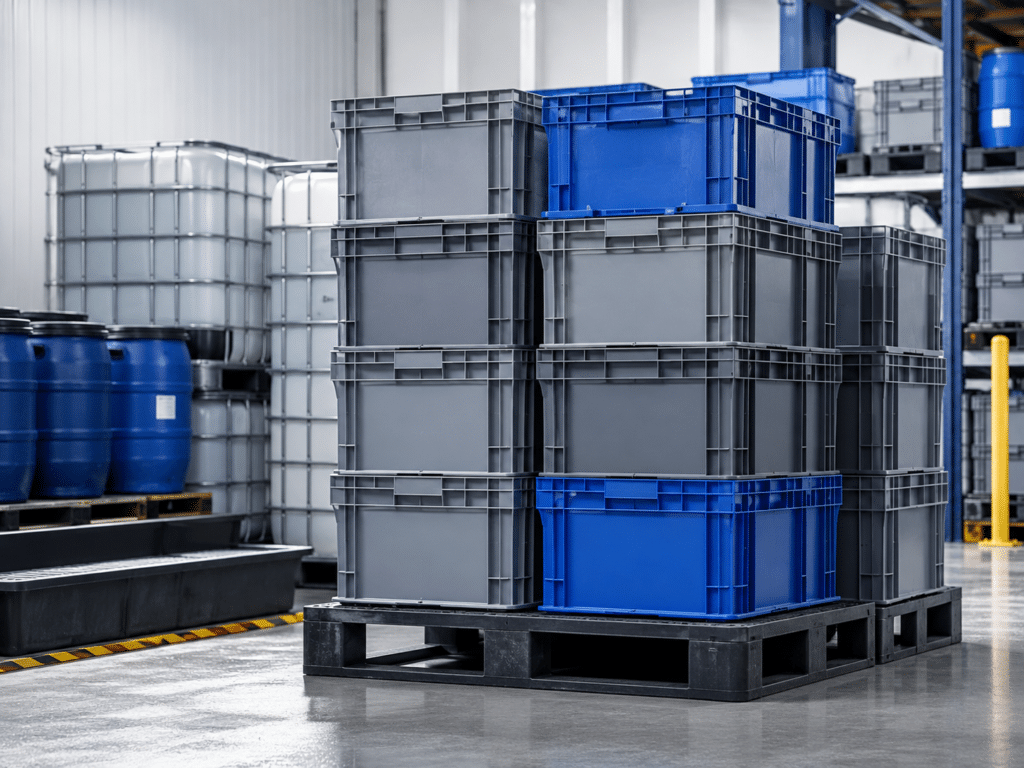
Corrosion Resistant Crates | Heavy-Duty B2B Supply
- Ultimate Chemical Defiance
- Zero Moisture Absorption
- Exceptional Structural Rigidity
Nestable Plastic Crates: Ideal Application Scenarios
Engineered using specialized polymers to safeguard high-value goods in heavily corrosive working environments.
Provides robust chemical storage when moving aggressive reagents safely alongside acid resistant buckets.
Eliminates the risk of salt-water oxidation when utilized near tough marine grade plastic buckets on commercial vessels.
Stands up to continuous, harsh sanitation washes next to high-performance plastic containers for food processing.
Resists degradation from oily parts or cutting fluids when integrated with automotive parts crates.
Endures exposure to fertilizers and natural plant acidity during sorting alongside agricultural harvest plastic crates.
Safely channels hazardous production runoff when positioned alongside industrial waste bins.
Prevents moisture pooling and structural decay when running inside cold storage centers with storage tubs for cold storage.
Addressing Critical Logistics & Storage Pain Points
Experiencing rapid structural failure due to harsh chemical exposure? Standard metal or wood containers corrode rapidly when exposed to industrial fluids, making it vital to deploy specialized bins near heavy-duty industrial plastic crates to secure your operations.
Dealing with high replacement costs from moisture rot and surface oxidation? Humid warehouse environments destroy low-grade storage units, whereas upgrading your material handling tools alongside heavy duty plastic crates eliminates moisture decay completely.
Worried about cross-contamination from degraded packaging materials? Corroded surfaces flake off and ruin raw ingredients, which is why sourcing chemical-proof solutions near reliable food grade plastic crates preserves batch purity.
Frustrated by handling failures during vertical pallet storage? Weakened, corroded walls buckle under heavy stacking loads, making it essential to partner with robust stackable plastic crates to ensure perfect warehouse stability.
Recommended Products for Industrial Supply Chains
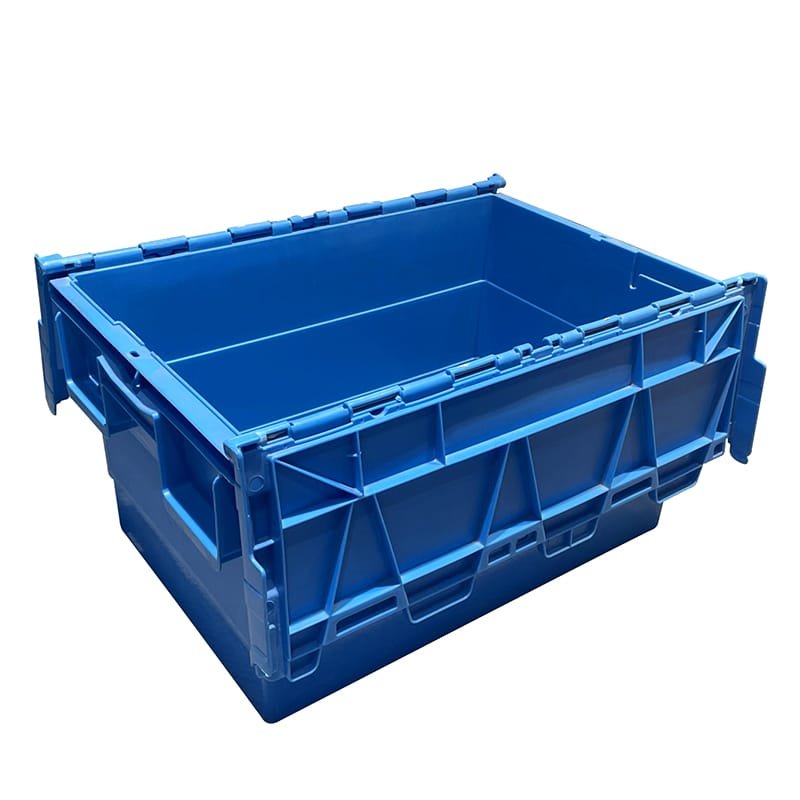
Attached Lid Container
A robust industrial container that nests seamlessly when open and locks securely when closed to prevent theft.
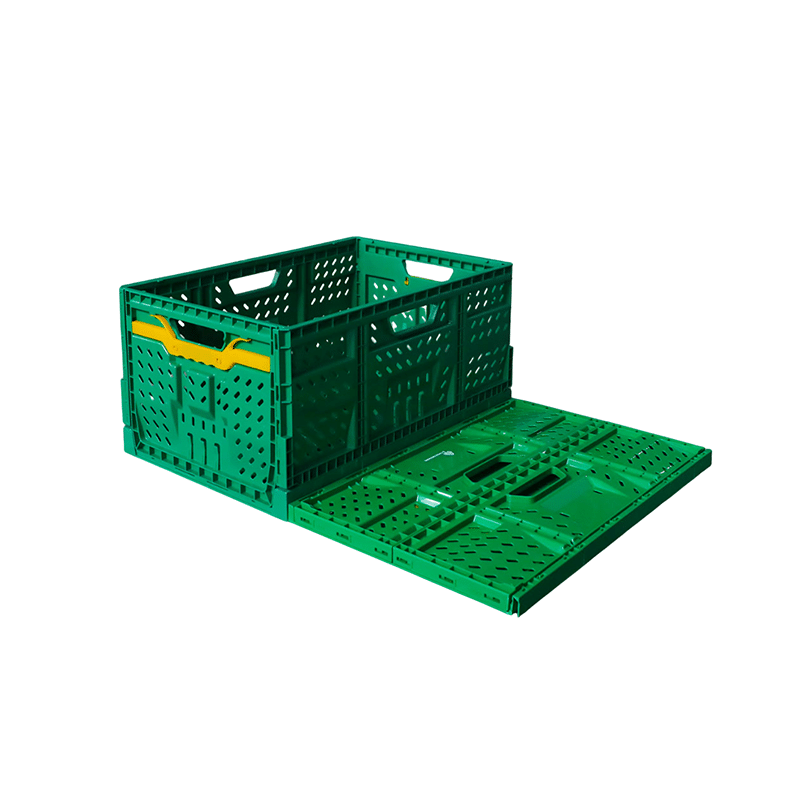
Plastic Folding Crate
An advanced collapsible variant engineered for maximum volume reduction during long-distance return shipping.
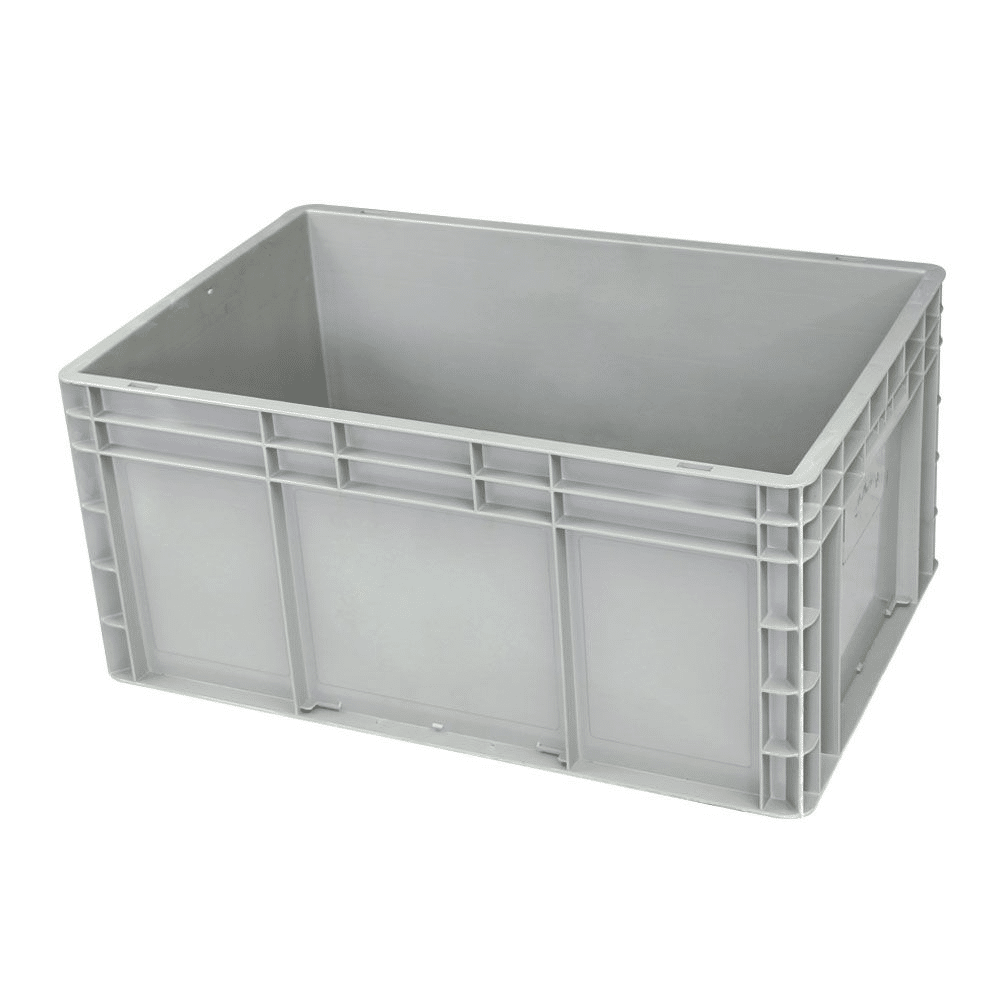
Plastic Turnover Crate
A workhorse box built specifically for fast-paced, high-frequency internal material handling routing across automated lines.
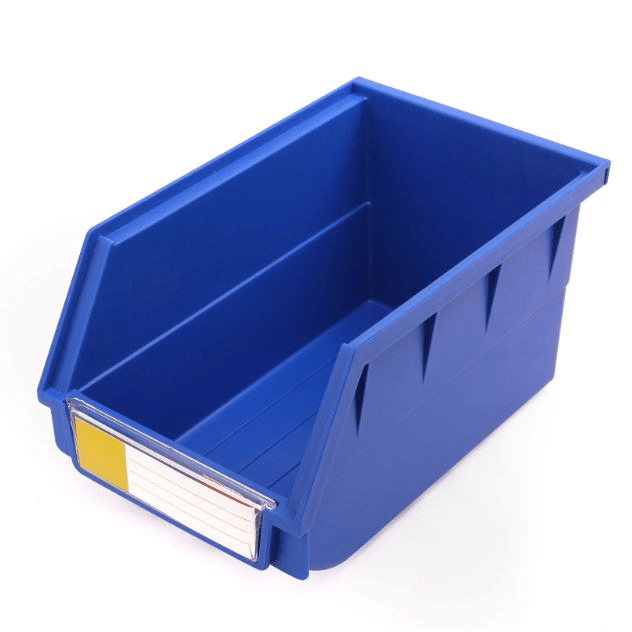
Plastic Parts Bins
Specialized smaller sub-containers optimized for granular inventory classification across industrial manufacturing assembly workbenches.
Contact ENLIGHTENING today, and our technical engineering team will configure the exact high-density polymer composition required to safeguard your supply chain against severe chemical and environmental decay.
Material Engineering & Performance Analytics
Our industrial storage systems are formulated from premium virgin polymers to safeguard raw materials from harsh industrial acids, alkalis, and intense physical impacts.
| Material Evaluation Attribute | Polypropylene (PP) Performance | High-Density Polyethylene (HDPE) Performance | Polyethylene (PE) Performance |
| Chemical Resistance | Superior against organic solvents and alkalis | Outstanding resistance to strong acids and chemicals | Highly stable against most industrial salts |
| Impact Resistance | Moderate (Highly rigid structural integrity) | Excellent (Absorbs high kinetic drops) | Good flexibility under physical stress |
| UV Resistance | Requires specialized stabilizing additives | Inherently high; excellent weatherability | Relies on polymer stabilizers |
| Food Grade Option | Fully available (FDA compliant compounds) | Available for food and beverage handling | Clean options ready for food processing |
| Anti-Static Option | Custom compoundable for electronics | Surface resistivity modification available | Additive-compatible formulation |
| Temperature Resistance | High heat tolerance (Up to 100°C) | Superior performance in freezing settings | Excellent low-temperature adaptability |
| Load Capacity | High tensile stiffness prevents bowing | Heavy load-bearing capacity under load | Moderate; prioritizes structural elasticity |
B2B Selection Blueprint: How to Choose the Right Container?
Selecting an industrial container requires evaluating your precise environmental challenges, handling workflows, and regulatory compliance targets.
| Procurement Vector | Industrial Operational Requirement |
| Application | Moving automotive parts, storing chemical agents, or handling cold-chain foods. |
| Capacity | Ranging from compact parts sorting bins up to large bulk-handling logistics crates. |
| Load Requirement | Total static and dynamic weight requirements for safe multi-tier warehouse pallet racking. |
| Temperature | Operations spanning from extreme blast-freezer tunnels up to high-temperature sanitizing lines. |
| Storage Method | Automated storage and retrieval systems (ASRS), static racks, or exposed outdoor yard storage. |
| Stackable / Nestable / Collapsible | Balancing vertical stack safety with space-saving efficiencies during empty return freight. |
| Food Grade or Industrial Grade | Meeting strict FDA/HACCP hygiene codes versus requiring raw industrial chemical protection. |
| Indoor or Outdoor Use | The integration of advanced UV stabilizers for outdoor yards versus standard indoor environments. |
Comprehensive Guide to Industrial Corrosion Resistant Crates
Introduction
In demanding B2B material handling, choosing wrong storage equipment causes continuous operational trouble. When exposed to harsh chemicals, salt spray, or intense sanitizing compounds, standard steel and wood bins break down quickly, leading to product loss and disrupted supply chains. Using industrial-grade corrosion resistant crates ensures that logistics managers, supply chain leaders, and procurement professionals can safeguard their inventory, optimize workspace safety, and lower equipment replacement costs over time.
Key Takeaways
High-density polymers provide permanent immunity to chemical oxidation and rust.
Selecting the right base resin (PP vs. HDPE) ensures optimal thermal and structural performance.
Utilizing specialized containers lowers total supply chain expenditures by extending service lifetimes.
Engineered designs prevent structural buckling under high vertical pallet loads.
Understanding Chemical Degradation Patterns
The key to a durable container lies in its core molecular structure. Standard storage boxes feature weak polymer bonds or metal components that degrade rapidly when exposed to moisture or industrial solvents. Heavy-duty containers bypass this issue by utilizing advanced high-density polyethylene, which creates a smooth, non-porous surface that stops aggressive chemical elements from weakening the container walls.
For setups exposed to heat, choosing co-polymer polypropylene provides great rigidity and prevents side-walls from bowing outward during hot-fill processes.
[ Chemical Droplet / Salt Spray ]
               │
               ▼
   ┌───────────────────────┐   <── Non-porous surface layer
   │   Polymer Bond Matrix │   <── Absorbs kinetic force; blocks molecular penetration
   └───────────────────────┘
TIP: When handling organic solvents or high-temperature chemical mixing, specify Polypropylene (PP) to maintain high wall stiffness.
Optimizing Safety in Demanding Logistic Workflows
Modern warehouse ecosystems demand rapid handling and automated tracking. When containers are exposed to corrosive oils or cleaning fluids, they can become slick or physically weak, posing risks to automated machinery. Combining chemical-proof containers with highly stable [heavy duty transport crates] can create a fully secure tracking setup that eliminates packaging failures on conveyor tracks.
Forklift Impacts: Thickened corners absorb sudden shocks without cracking or splitting open.
Conveyor Travel: Anti-friction bases prevent slippage during rapid automated sorting processes.
Chemical Runoff: Integrated drainage channels direct fluids away from handled inventory safely.
TIP: Ensure your floor-cleaning chemicals are compatible with your container material to prevent environmental stress cracking over long-term usage.
Enhancing Racking Efficiency via Vertical Stacking
Maximizing modern warehouse space requires building secure, vertical pallet stacks. When standard storage boxes degrade from chemical exposure, their bases lose structural strength, resulting in leaning or dangerous stack collapses. Deploying robust, chemical-proof containers alongside [warehouse storage crates] guarantees a steady weight distribution across multi-tier storage configurations.
Top Tier Load: Heavy rims transfer weight down through vertical pillars.
Middle Tier Alignment: Interlocking rim borders lock into place to prevent shifting.
Base Tier Stability: Solid, thick walls completely absorb total structural pressure without buckling.
Complying with Global Environmental Protocols
Industrial logistics must follow strict global waste and environmental safety rules. Storing materials in containers that leak or degrade can lead to fine risks or workplace accidents. Using robust pails next to [heavy duty trash cans] gives industrial spaces an effective way to handle hazardous materials without risking ground contamination.
Furthermore, combining specialized crates with high-capacity [sanitation plastic waste bins] ensures full compliance with international environmental standards, maintaining a safe, clean workplace.
logistics moving crates FAQS
What makes a container truly corrosion resistant?
True resistance comes from manufacturing containers with premium, un-recycled high-density polyethylene (HDPE) or high-grade polypropylene (PP). These materials are naturally inert, meaning they do not react with moisture, salts, acids, or alkalis, avoiding rust and structural decay.
Can these chemical-proof crates be used in extreme cold storage?
Yes. When manufactured from high-grade HDPE, these containers maintain excellent flexibility and impact survival down to $-40^\circ\text{C}$. This makes them perfect for harsh environments like seafood transport, blast freezing, and cold chain logistics.
How do these containers improve overall B2B cost savings?
While high-quality plastic bins require a higher initial investment than wood or lightweight boxes, they offer an extended service life of over 5 to 10 years. By eliminating rust and rot, they lower recurring procurement replacement costs and protect valuable inventory from damage.Absolutely. By utilizing high-molecular-weight High-Density Polyethylene (HDPE), our specialized cold-chain boxes maintain structural flexibility and impact strength in temperatures as low as -20°C.
Are these industrial containers safe for food products?
Yes, many versions are molded from FDA-approved virgin materials that comply with global food safety standards. They resist food acids and harsh cleaning sanitizers, ensuring a clean, mold-free handling setup.