
Get Our Best Quotation
ENLIGHTENING will never abuse, misuse, sell, or improperly disclose the information you submit via our forms.
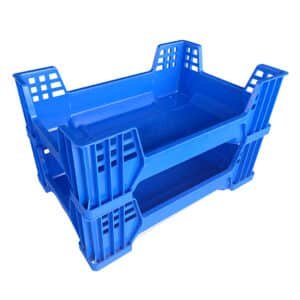
ENLIGHTENING Mealworm Breeding Boxes for Commercial Use
Durable mealworm breeding boxes by ENLIGHTENING, ideal for farms, labs, and bulk insect production. Easy to clean, stackable, and food-safe.
- Durable & Stackable
- Food-Safe Material
- Easy to Clean
Mealworm Breeding Boxes Applications
Stable environment for insect studies.
Secure transport for live insects.
Ideal for crickets, worms, and larvae.
Safe hands-on learning for schools.
Works in controlled growth environments.
Supports large-scale breeding operations.
Mealworm Breeding Boxes: Application Pain Points
Do you need a solution for high larval mortality rates during scaling? Massive setups often suffer from poor air circulation, causing heat spikes and localized moisture retention that can devastate an entire batch of larvae.
Are your operational costs skyrocketing due to broken equipment? Standard storage containers quickly crack and degrade under continuous washing and stacking pressures, resulting in constant, expensive replacements for your enterprise.
Is your facility struggling to pass strict hygiene and sanitation audits? Low-quality plastics harbor bacteria within micro-cracks and fail to withstand the high-temperature chemical washes mandated by food-to-feed safety authorities.
Recommended Products for Mealworm Breeding Boxes
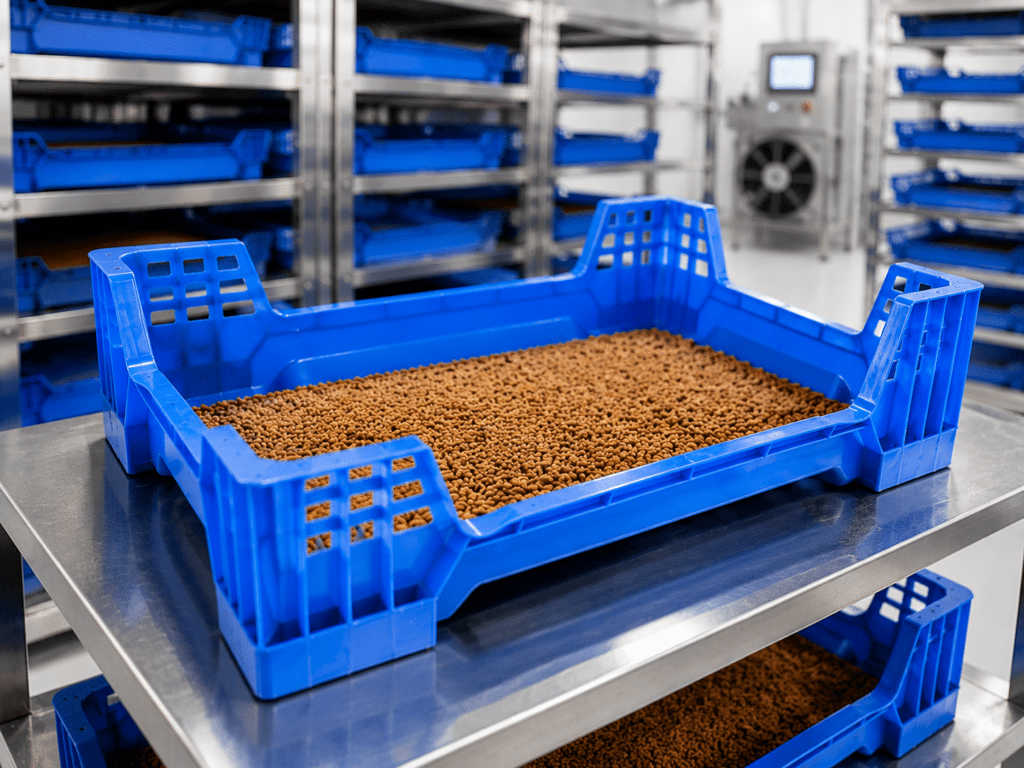
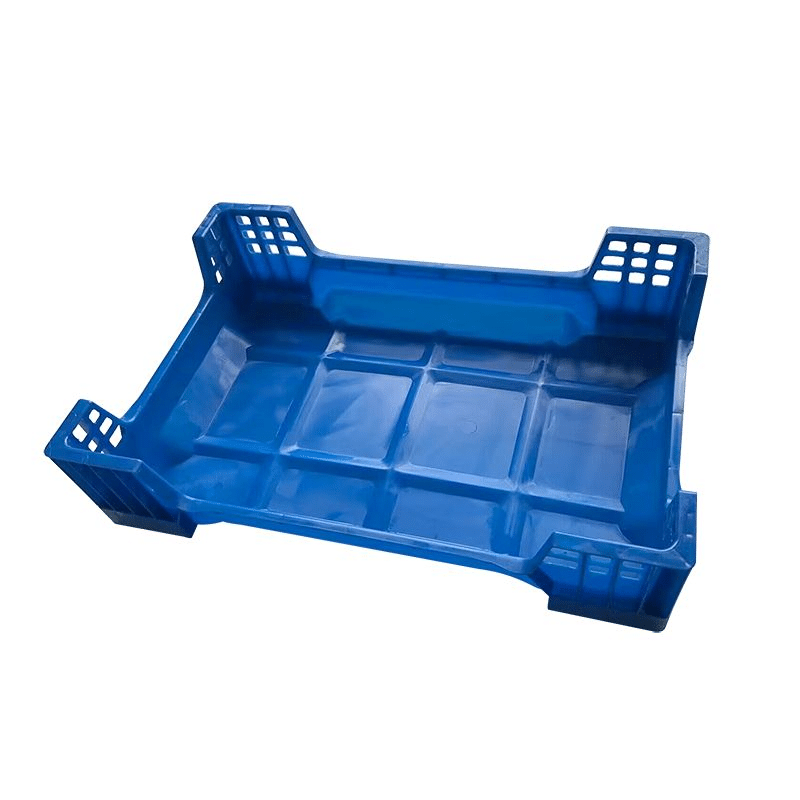
Fly Breeding Box
A shallow, high-ventilation crate tailored perfectly for optimizing small-scale larval cultivation and micro-climate control.
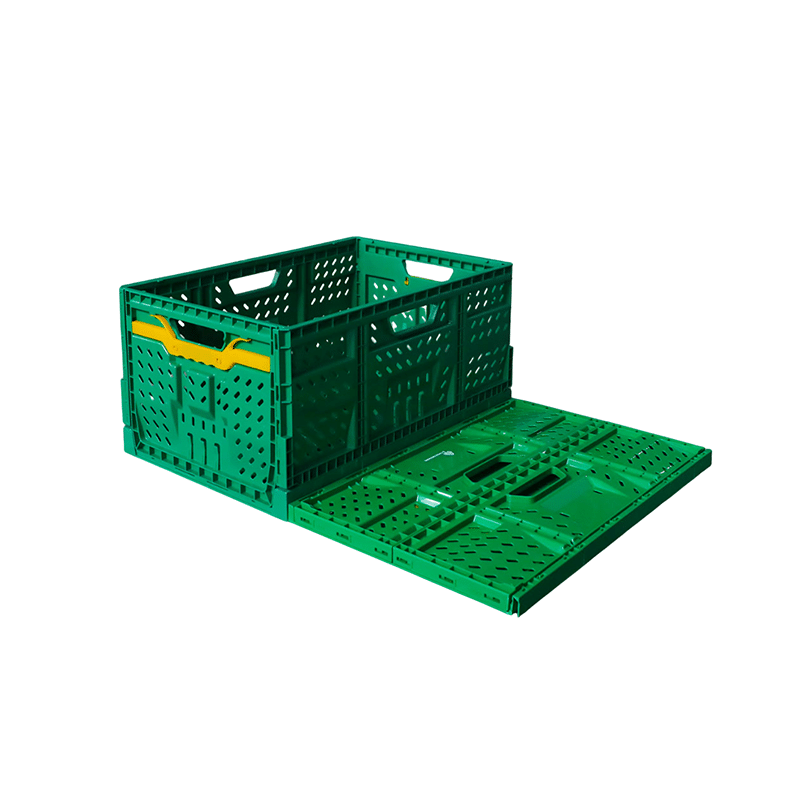
Plastic Folding Crate
An advanced collapsible variant engineered for maximum volume reduction during long-distance return shipping.
Plastic Drying Tray
Perforated flat trays engineered to support uniform moisture reduction during harvest processing and post-sorting stages.
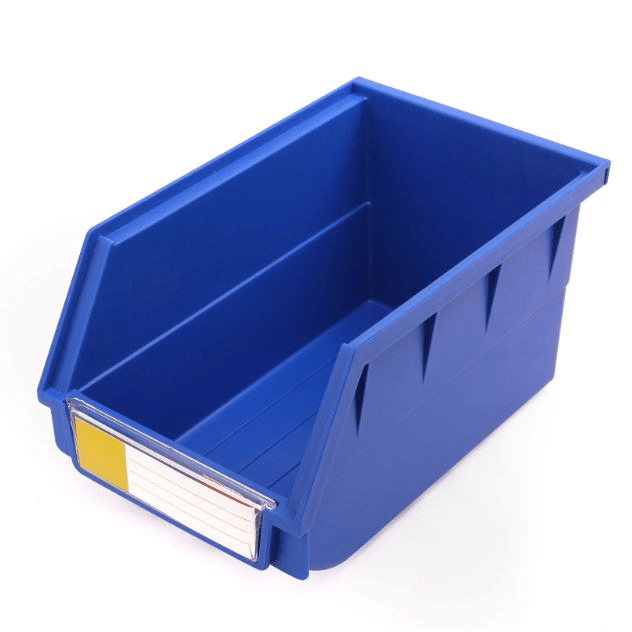
Plastic Parts Bins
Specialized smaller sub-containers optimized for granular inventory classification across industrial manufacturing assembly workbenches.
Contact our engineering specialists today to receive a tailored, factory-direct quote on custom insect farming configurations designed to scale your yield efficiently.
Material & Performance Specifications
Our industrial farming bins are manufactured using premium-grade polymers, meticulously engineered to survive rigorous automated washing, structural stacking stresses, and varied farm microclimates.
| Performance Vector | Specification Profile |
| Material Base | Virgin High-Density Polyethylene (HDPE) / Polypropylene (PP) |
| Impact Resistance | High-density structural ribbing prevents bending or cracking under load |
| UV Resistance | UV-stabilized formulation protects against brittle degradation in open sunlight |
| Corrosion Resistance | 100% resistant to organic waste acids, cleaning chemicals, and moisture |
| Food Grade Option | FDA-certified compliant options available for human-grade insect processing |
| Anti-Static Option | Available for automated facilities to repel dust accumulation |
| Temperature Resistance | Operates continuously from $-20^\circ\text{C}$ to $+60^\circ\text{C}$ |
| Load Capacity | Stacks safely up to 300 kg in vertical automated racking systems |
How to Choose the Right Mealworm Breeding Boxes
Selecting the optimal container geometry and material integrity is essential to ensuring smooth automated handling, high yield, and a rapid return on investment.
| Selection Matrix Factor | Operational Requirement Guide |
| Application | High-density larval rearing, egg hatching, or automated harvesting operations |
| Capacity | Choose volume depths based on substrate thickness and airflow limits |
| Load Requirement | Must match your total vertical stacking configuration without sagging |
| Temperature | Needs to withstand hot sanitizing washes and cold storage processing |
| Storage Method | Racking integration, flat floor stacking, or continuous automated belts |
| Structural Format | Stackable formats optimize vertical space; nestable versions reduce return freight costs |
| Grade Level | Industrial grade for pet food; food grade for human-consumption protein processing |
| Use Environment | Indoor climate-controlled farming or outdoor regional transport loops |
The Definitive Guide to Commercial Mealworm Breeding Boxes
The global protein landscape is shifting rapidly, positioning commercial insect farming as a cornerstone of sustainable agriculture. Scalability in this sector relies heavily on precise environmental management. For purchasing managers and supply chain directors, choosing professional mealworm breeding boxes is a critical structural decision that directly affects larval yield, feed conversion ratios, and operational efficiency.
Key Takeaways
Vertical Space Efficiency: High-performance stackable designs maximize volume per square meter.
Climate Regulation: Optimized ventilation prevents moisture buildup and drops larval mortality rates.
Automation Compatibility: Standardized footprints seamlessly integrate with automated washing and sorting systems.
Long-Term ROI: Using virgin HDPE ensures durability, reducing seasonal replacement costs.
Why Standard Tubs Fail in Commercial Insect Rearing
Many operations begin with off-the-shelf storage containers, but these quickly fail under industrial conditions.
The Danger of Poor Airflow
Mealworm colonies generate substantial metabolic heat. Standard containers trap this warmth, creating localized hot spots and high humidity. This environment creates a breeding ground for mold and pathogens, which can decimate populations overnight. Professional systems solve this by utilizing specific sidewall ventilation profiles.
Farm Tip: Monitor moisture levels closely. Condensation on container walls is a clear sign that your storage system lacks sufficient ventilation.
Structural Degradation Under Load

Commercial facilities stack crates 15 to 20 levels high. Standard retail plastics lack the tensile strength to hold up under this weight, leading to bowing, cracking, and eventual stack collapses that disrupt automated systems.
The Science Behind Material Selection: HDPE vs. PP
Choosing between High-Density Polyethylene (HDPE) and Polypropylene (PP) depends on your specific facility climate and sanitization processes.
HDPE: Best for Cold Chain Integration
HDPE offers exceptional impact strength at lower temperatures, making it the ideal choice for facilities that move crates between warm rearing rooms and cold processing zones.
PP: Best for High-Temperature Washing
Polypropylene features superior rigidity and a high melting point, allowing it to maintain its shape during rigorous, high-temperature chemical wash cycles.
Optimizing ROI: Longevity and Operational Life Cycle
Investing in specialized equipment significantly lowers operational costs over time by extending product lifespans and reducing replacement frequencies.
Lifecycle Cost Comparison
While generic bins have lower upfront costs, their high failure rates lead to frequent replacements and unexpected operational downtime.
| Performance Indicator | Generic Plastic Tubs | ENLIGHTENING Industrial Boxes |
| Average Operational Lifespan | 6–12 Months | 5–8 Years |
| Annual Replacement Rate | $>45\%$ | $<3\%$ |
| Automated System Compliance | Poor (Bowing occurs) | Perfect (Zero dimensional warping) |
| Sanitization Resilience | Warps under hot water | Withstands high-temp chemical washes |
Maximizing Yield Through Smart Design Features
Every structural element of a professional breeding box is engineered to support insect biology and streamline facility labor.
Smooth Interior Surface Profiles
Larvae can easily get stuck in sharp interior corners and deep structural recesses, making thorough cleaning difficult. Our smooth interior walls prevent pupae from pinning themselves in corners and ensure fast, easy cleaning during harvest cycles.
Integrated Automated Handling Rims
Modern farms use automated robotic arms to destack, feed, and harvest colonies. Our boxes feature reinforced rims and consistent dimensions, ensuring smooth robotic handling and preventing expensive automated line jams.
Logistics Tip: When planning automated conveyor lines, select crates with standardized footprints like Euro-containers to eliminate the need for costly custom machinery adjustments.
mealworm breeding boxes FAQS
Can these breeding boxes be integrated into automated robotic feeding systems?
Yes. Our industrial insect boxes are designed with standardized dimensions and reinforced structural flanges. This allows robotic grippers and automated destacking systems to seamlessly lift, tip, and move the boxes without slippage or dimensional warping.
What is the advantage of using virgin HDPE over recycled plastic for insect farming?
Virgin HDPE ensures uniform structural integrity and contains zero chemical contaminants. This is critical for meeting strict international food and feed safety regulations, as recycled plastics can leach heavy metals or unlisted chemical residues into your feed substrate.
How do these boxes prevent mealworms from escaping while ensuring adequate ventilation?
The interior surfaces are polished to an ultra-smooth finish, preventing larvae from gaining the traction needed to climb out. The ventilation slots are engineered with micrometer precision, allowing maximum cross-flow ventilation while remaining narrow enough to contain larvae within the substrate.
What wash temperature can these boxes withstand during automated sanitization?
Our Polypropylene (PP) models safely withstand continuous automated sanitation tunnels with wash temperatures reaching up to $85^\circ\text{C}$, effectively neutralizing pathogens without causing structural warpage or material degradation.
Do you offer customization for ventilation slot sizes or colors for zone separation?
Yes. We provide custom molding options for enterprise orders, allowing you to tailor ventilation profiles to your target insect species. We also offer full color-coding options to help maintain strict biosecurity separation between breeding, hatching, and harvesting zones.
