
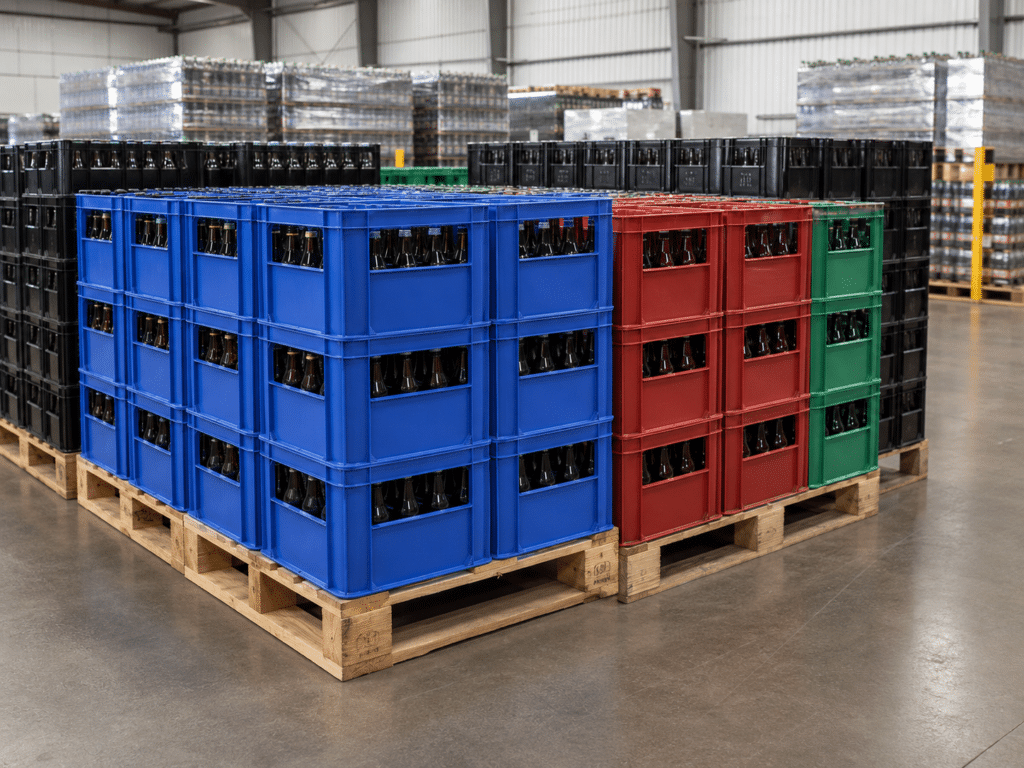
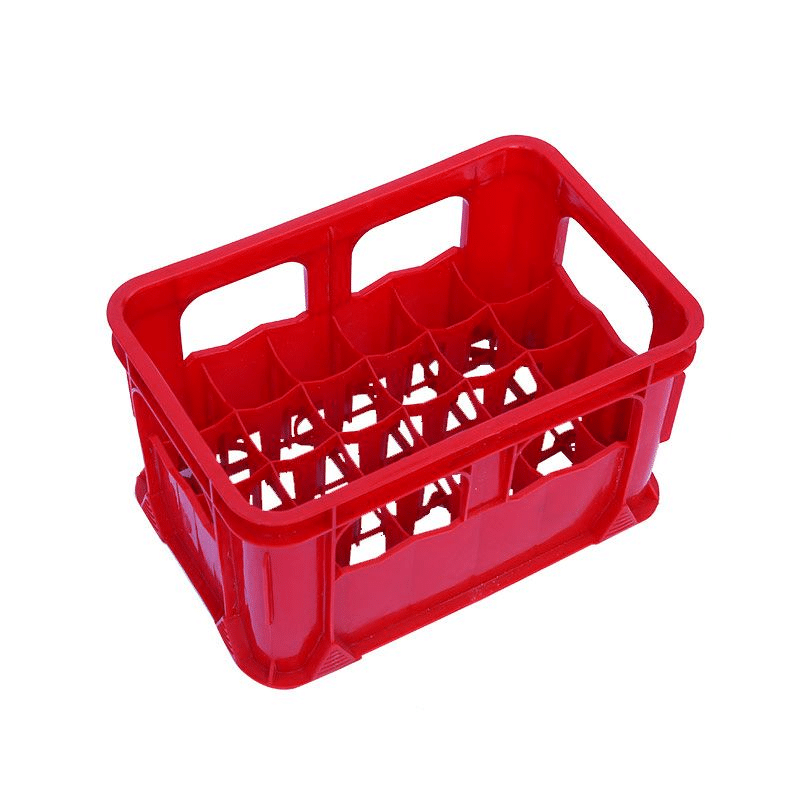
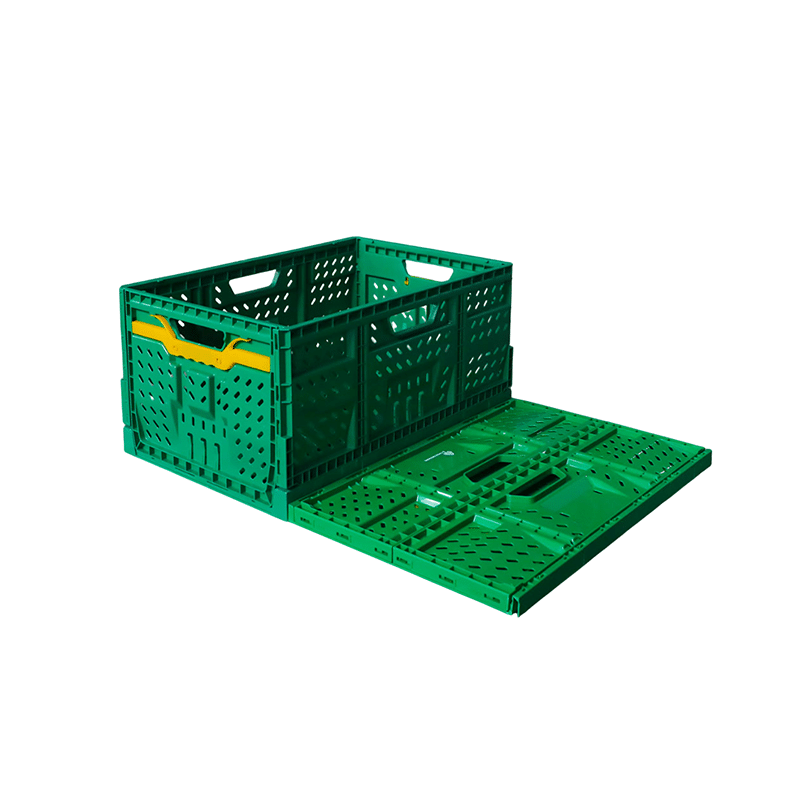
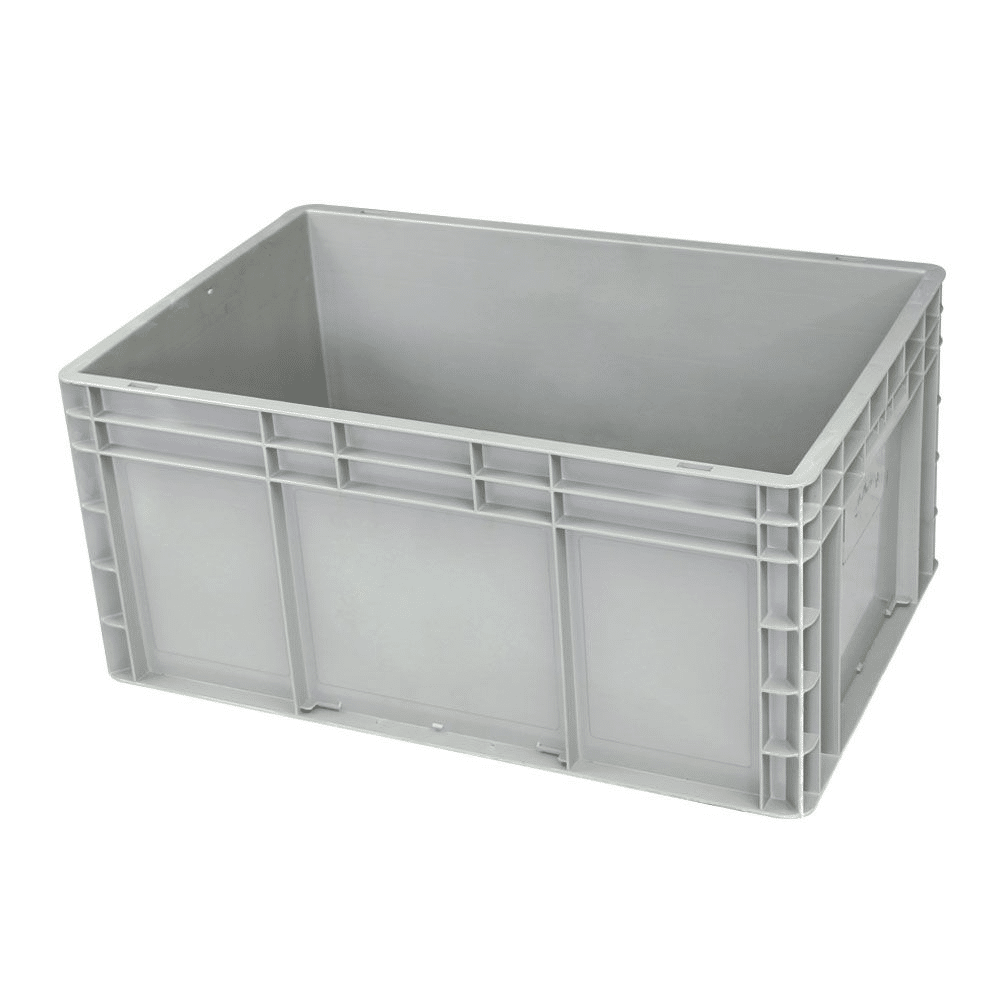
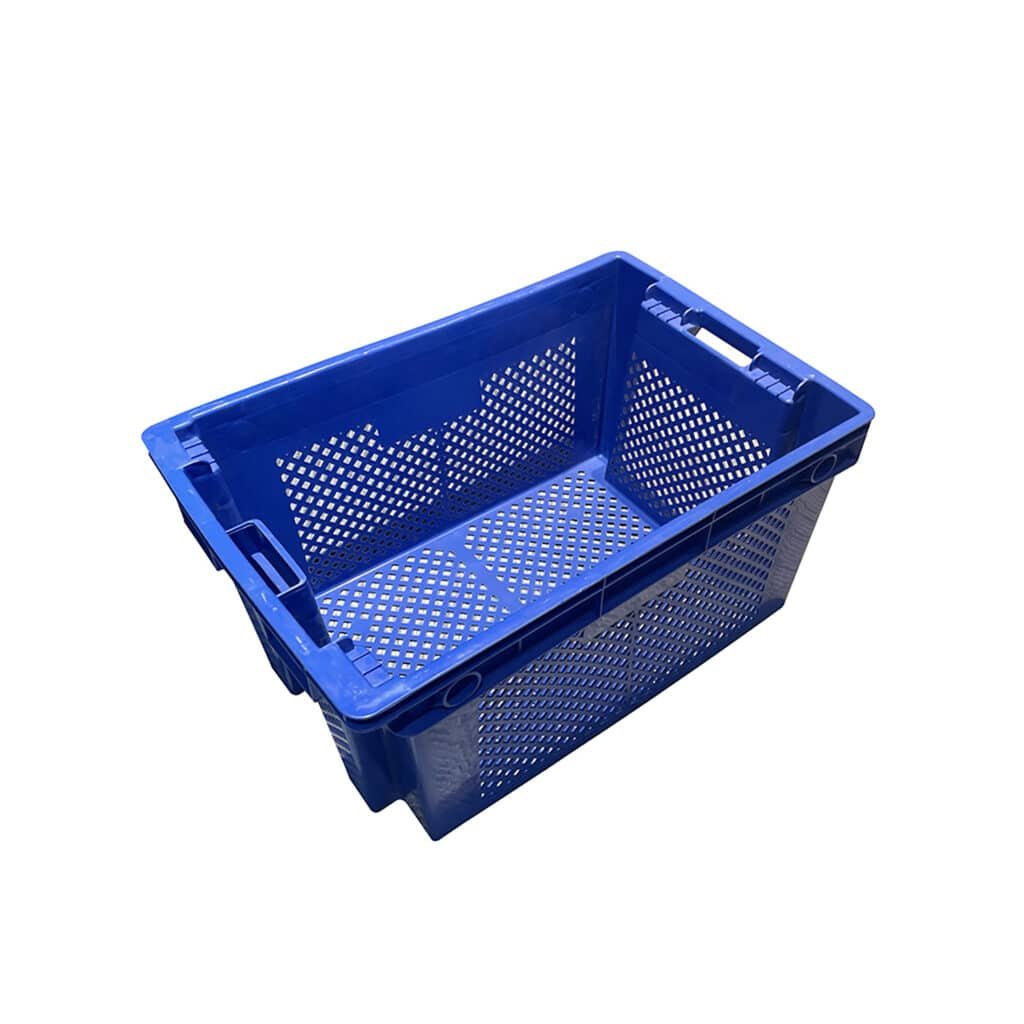
Beer bottle crates are reusable plastic containers designed for storing, stacking, transporting, delivering, and returning glass beer bottles. They are widely used by breweries, beverage distributors, wholesalers, retail chains, bars, restaurants, and bottle return systems.
Unlike general storage boxes, beer bottle crates must protect heavy glass bottles during daily movement. A good crate needs strong side walls, stable stacking points, comfortable handles, bottle separation, and enough impact resistance for rough delivery routes.
Key Takeaways
- Beer bottle crates protect glass bottles during storage, transport, and delivery.
- PP and HDPE are the main materials used for reusable beer bottle crates.
- Custom colors and molded logos help breweries build stronger brand visibility.
- The right crate size depends on bottle diameter, bottle height, and bottle count.
TIP: Before choosing beer bottle crates, confirm your bottle size, bottle count, full crate weight, stack height, washing method, and return cycle.
Why Do Breweries Use Plastic Beer Bottle Crates?
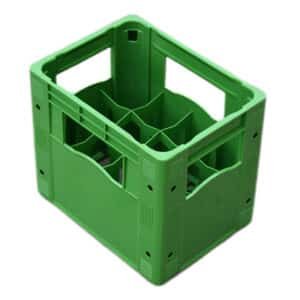
Breweries use beer bottle crates because glass bottles need more protection than cans or carton-packed drinks. Bottles are heavy, breakable, and often handled many times before reaching the final buyer.
Beer bottle crates help breweries:
- Move filled bottles from production to storage
- Protect glass bottles during loading and unloading
- Stack products safely in warehouses and trucks
- Sort different beer types or delivery routes
- Collect empty bottles after use
- Reuse crates through washing and return cycles
- Promote brand identity with custom colors and logos
For breweries using returnable bottles, beer bottle crates are part of the whole packaging system. They protect filled bottles during delivery and help collect empty bottles after retail or bar use.
Where Are Beer Bottle Crates Used?
Beer bottle crates are used in many parts of the beverage supply chain. Each place may need a slightly different structure.
| Use Area | Common Requirement |
|---|---|
| Brewery Bottling Line | Fast loading, fixed bottle count, smooth handling |
| Beverage Warehouse | Stable stacking and easy product sorting |
| Cold Room | Moisture resistance and strong stacking |
| Delivery Truck | Impact resistance and secure crate alignment |
| Retail Backroom | Easy counting and fast unloading |
| Bars and Restaurants | Reusable handling for daily beverage supply |
| Bottle Return Centers | Strong crates for empty bottle collection |
Beer bottle crates are not only for transport. They also help with counting, sorting, display, and return management.
What Structure Should Beer Bottle Crates Have?
A good beer bottle crate should fit the bottle first. If the internal size is wrong, bottles may shake, rub, or become hard to load. For glass bottles, small structure differences can directly affect breakage risk.
Key structure features include:
- Bottle dividers: reduce contact between glass bottles.
- Reinforced corners: support stacking pressure from loaded crates.
- Strong bottom ribs: carry the full bottle weight during lifting and transport.
- Side ventilation: helps drying after washing and supports cold room use.
- Comfortable handles: make manual loading easier for workers.
- Stacking locks: help loaded crates stay aligned in trucks and warehouses.
- Smooth inner walls: reduce scratches on bottles and labels.
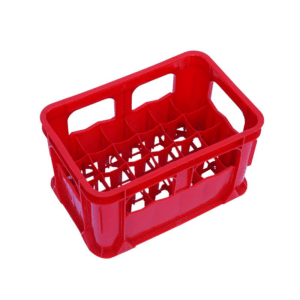
For beer bottle crates, strength and bottle fit matter more than outside appearance. A crate that looks good but allows bottle movement can still cause loss during delivery.
TIP: Check the internal crate size, not only the outside size. Bottle diameter and bottle height decide the real fit.
PP or HDPE: Which Material Is Better?
Both PP and HDPE can be used for beer bottle crates. The right choice depends on how the crates are used.
| Material | Best Use | Main Advantage |
|---|---|---|
| PP | Standard brewery storage and rigid stacking | Good stiffness and shape stability |
| HDPE | Rough delivery routes, cold rooms, and heavy impact use | Better toughness and impact resistance |
| PE | Special flexible packaging needs | Less common for rigid bottle crates |
PP is often used when buyers need stiff beer bottle crates for stable stacking and normal warehouse handling. HDPE is better when crates face repeated drops, cold storage, truck vibration, or rough route delivery.
For breweries with frequent empty bottle returns, HDPE may be a safer option because return handling is often rougher than outbound delivery.
How Many Bottles Can Beer Bottle Crates Hold?
Beer bottle crates can be made for different bottle counts. The most common choices depend on regional bottle size and local beverage distribution habits.
| Common Bottle Count | Typical Use |
|---|---|
| 12 Bottles | Premium beer, craft beer, smaller delivery units |
| 20 Bottles | Standard beer distribution in many markets |
| 24 Bottles | Higher-volume retail and wholesale handling |
| Custom Layout | Special bottle shapes, brand packaging, or local return systems |
Bottle count should be confirmed together with bottle diameter, bottle height, bottle shoulder shape, and cap height. A 330 ml bottle and a 500 ml bottle may need very different crate designs.
When choosing beer bottle crates, buyers should also calculate the full loaded weight. For example, 24 glass bottles plus liquid weight and crate weight can become heavy for manual handling.
How Much Load Can Beer Bottle Crates Carry?
Load capacity depends on crate size, material, wall thickness, bottom structure, bottle count, and stacking height. For beer bottle crates, the supplier should confirm both single-crate carrying load and stacking load.
A simple load check:
| Check Point | Why It Matters |
|---|---|
| Bottle Weight | Full beer bottles are heavy and need bottom support |
| Bottle Count | More bottles mean higher crate load |
| Crate Weight | Adds to the total weight workers handle |
| Stack Height | Affects corner and wall pressure |
| Transport Method | Truck vibration increases stress on the crate |
| Handling Method | Manual handling, pallet loading, and forklift handling create different demands |
Buyers should not select beer bottle crates only by “how many bottles fit.” The crate also needs enough strength for repeated stacking, lifting, washing, and return transport.
How Do Beer Bottle Crates Help Reduce Bottle Breakage?
Glass bottle breakage often comes from movement, impact, and poor stacking. Beer bottle crates reduce these risks by keeping bottles separated and stable.
Main ways beer bottle crates protect bottles:
- Bottle cells reduce glass-to-glass contact.
- Strong side walls protect bottles from side impact.
- Reinforced bottoms support heavy filled bottles.
- Stack locks reduce crate movement in trucks.
- Handles help workers lift crates more safely.
- Rigid walls reduce deformation under load.
Beer bottle crates also make inspection easier. Workers can quickly see missing bottles, broken bottles, or mixed products before loading.
TIP: For long delivery routes, ask for stronger corner design and better bottom ribs. These areas take most of the stress.
Why Are Beer Bottle Crates Important for Returnable Bottle Systems?
Many breweries use returnable bottles to reduce packaging waste and control long-term cost. In this system, beer bottle crates are used for both outbound delivery and empty bottle collection.
A returnable system usually includes:
- Filled bottle delivery
- Retail or bar distribution
- Empty bottle collection
- Bottle sorting
- Crate washing
- Bottle washing
- Reuse in the next production cycle
Beer bottle crates must survive many cycles. That means material quality, impact resistance, and crate design have a direct effect on long-term cost.
A low-cost crate may look acceptable at first, but if it breaks after a short time, the actual cost becomes higher. For returnable use, durability is more important than the lowest unit price.
Can Beer Bottle Crates Be Customized?
Yes. Beer bottle crates are often customized for breweries, beverage brands, and distributors.
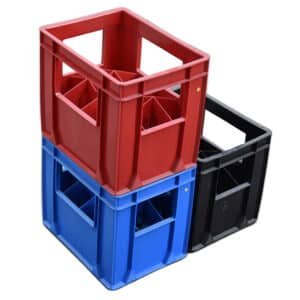
Common customization options include:
- Custom crate size
- Custom bottle count
- Custom color
- Molded logo
- Hot stamping area
- Bottle divider layout
- Handle design
- Reinforced base
- UV-resistant material
- Food-grade material option
- Barcode or label area
Custom beer bottle crates help breweries manage product identity and route control. For example, one color can be used for lager, another for craft beer, and another for return bottles.
Custom logos also help reduce crate loss. When crates move through wholesalers, bars, and retail channels, branded crates are easier to identify and recover.
What Should Buyers Confirm Before Bulk Orders?
Before ordering beer bottle crates, buyers should prepare real product data. This reduces mold mistakes and helps the factory recommend the right structure.
| Buyer Check | Why It Matters |
|---|---|
| Bottle Diameter | Decides internal cell size |
| Bottle Height | Confirms crate wall height |
| Bottle Count | Decides layout and full crate weight |
| Full Bottle Weight | Affects load and handle strength |
| Stack Height | Affects corner strength |
| Return Cycle | Affects material and durability needs |
| Washing Method | Confirms heat and chemical resistance |
| Outdoor Storage | Confirms UV additive need |
| Logo Requirement | Confirms mold or printing method |
For custom beer bottle crates, sample checking is important. Buyers should test real bottles inside the crate before bulk production.
How Can ENLIGHTENING Support Your Project?
ENLIGHTENING helps breweries, wholesalers, and beverage distributors choose beer bottle crates based on real handling conditions. Instead of only checking size, we review bottle format, load weight, stack height, warehouse use, return cycle, cleaning method, and branding needs.
We can support:
- Existing mold selection
- Custom crate size design
- Material recommendation
- Color matching
- Molded logo customization
- Sample confirmation
- Bulk production planning
- Export packing support
For buyers building a long-term beverage packaging system, the crate should match both product handling and brand use. ENLIGHTENING helps you choose beer bottle crates that work in daily operation, not only on paper.
Final Buying Advice
Beer bottle crates should be selected by bottle fit, load strength, stacking safety, return cycle, and brand requirements. Price matters, but poor fit or weak structure can cause broken bottles, messy delivery, and higher replacement cost.
The right beer bottle crates protect glass bottles, speed up delivery, support return logistics, and keep your beverage supply chain easier to manage. For breweries and distributors, durable reusable crates are a practical investment in daily operation.
ENLIGHTENING supplies standard and custom beer bottle crates for breweries, beverage wholesalers, retail distribution, and returnable bottle systems.