
Get Our Best Quotation
ENLIGHTENING will never abuse, misuse, sell, or improperly disclose the information you submit via our forms.
ENLIGHTENING Retail Handling Crates | Bulk B2B Supply
- Maximum Space Efficiency
- Industrial-Grade Durability
- HACCP & Food Safety
Retail Handling Crates: Versatile Application Scenarios
Seamlessly move goods from distribution centers to store shelves using optimized supermarket shopping baskets.
Preserve the quality of fruits and vegetables during transit with fresh produce plastic crates.
Safely transport delicate baked goods using specialized plastic bakery trays.
Speed up sorting and automated picking processes utilizing a durable E-commerce shipping plastic turnover box.
Maintain strict temperature controls for frozen or chilled goods inside cold chain transport crates.
Ensure hygienic, leak-proof transport for fresh seafood using meat seafood crates.
Organize heavy or bulky retail components safely using robust automotive parts crates.
Maximize vertical warehouse space effectively with high-density plastic crates for warehouse storage.
Addressing Retail Handling Crates Logistics Pain Points
Looking for ways to cut rising transport costs? High shipping costs often stem from heavy, single-use packaging or inefficient space utilization, which can be solved by switching to lightweight, reusable returnable containers.
Struggling with product damage during transit? Fragile retail goods frequently break or spoil due to poor ventilation and weak outer packaging, making robust, protective logistics containers a necessity.
Facing warehouse disorganization and slow order picking? Disorganized inventory slowing down your fulfillment operations can be fixed instantly by deploying color-coded, easily stackable warehouse bins.
Inability to meet strict food safety regulations? Compliance penalties and cross-contamination risks occur when using low-grade plastics, highlighting the absolute need for certified food-safe storage solutions.
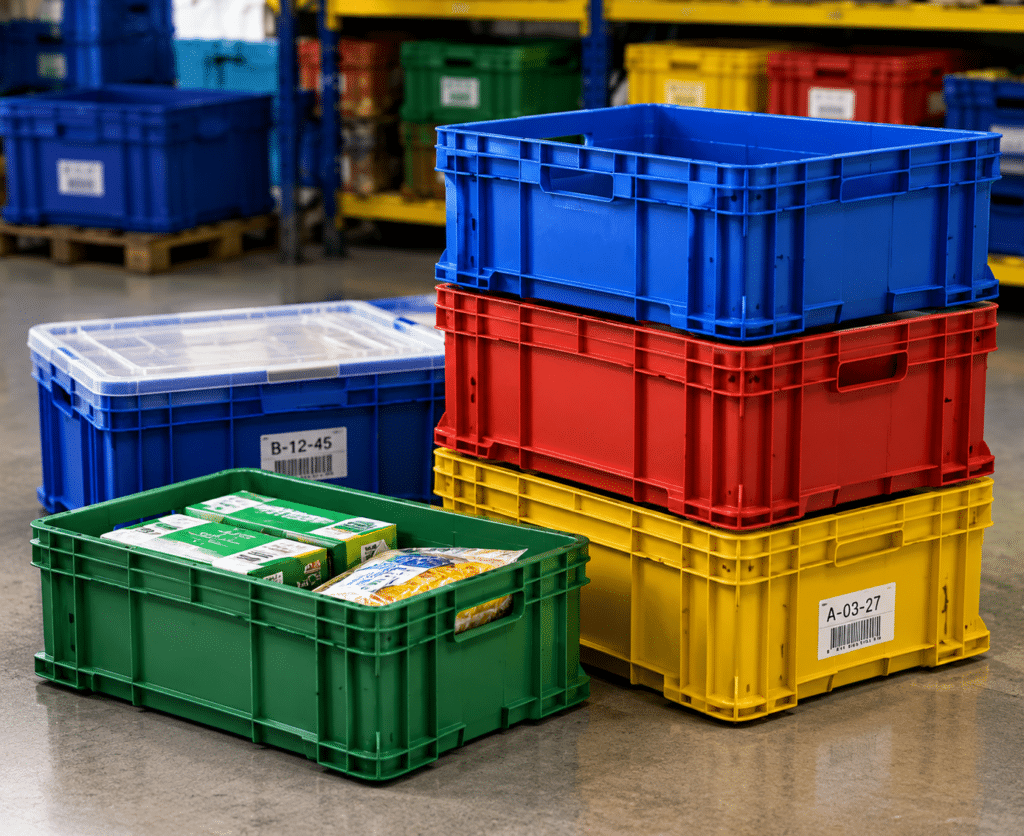
Recommended Products for Retail Handling Crates
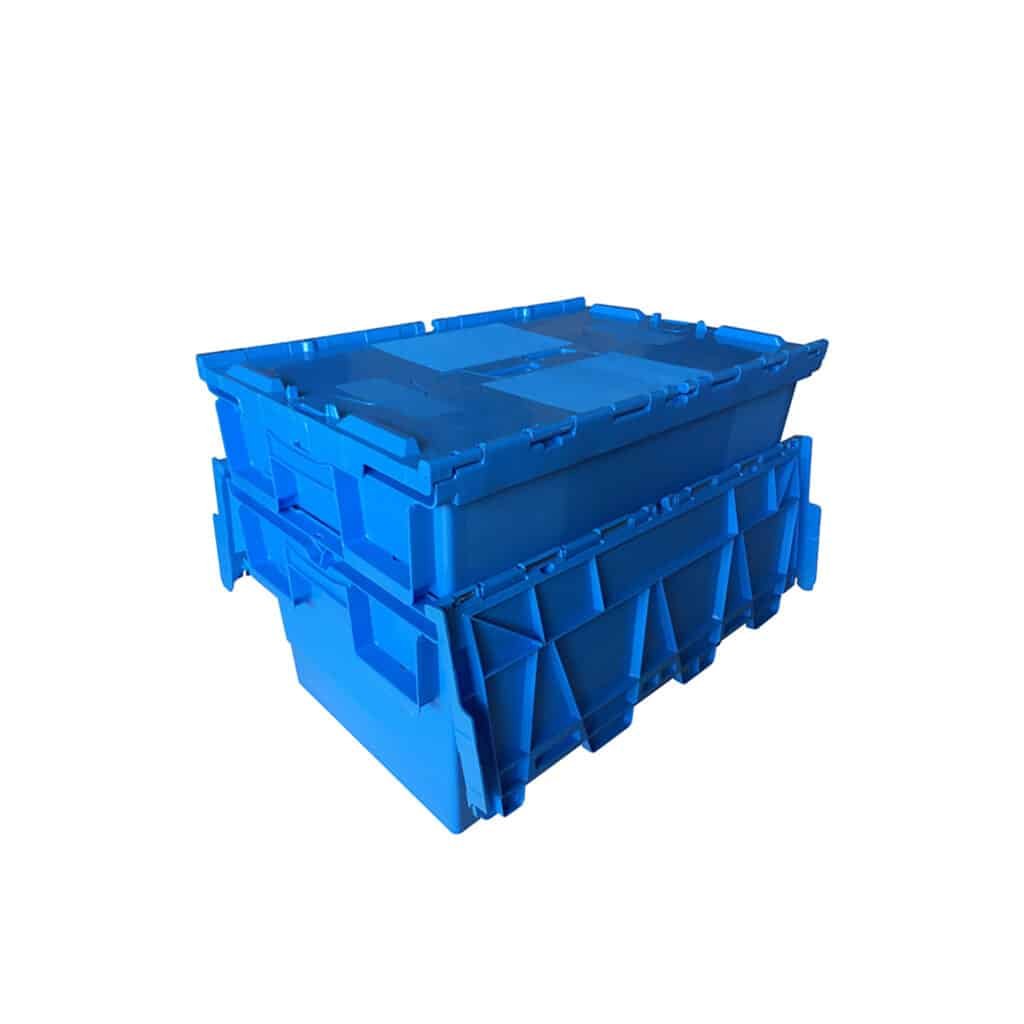
Attached Lid Container
A secure, stackable, and nestable solution perfect for high-value retail distribution and anti-theft logistics.
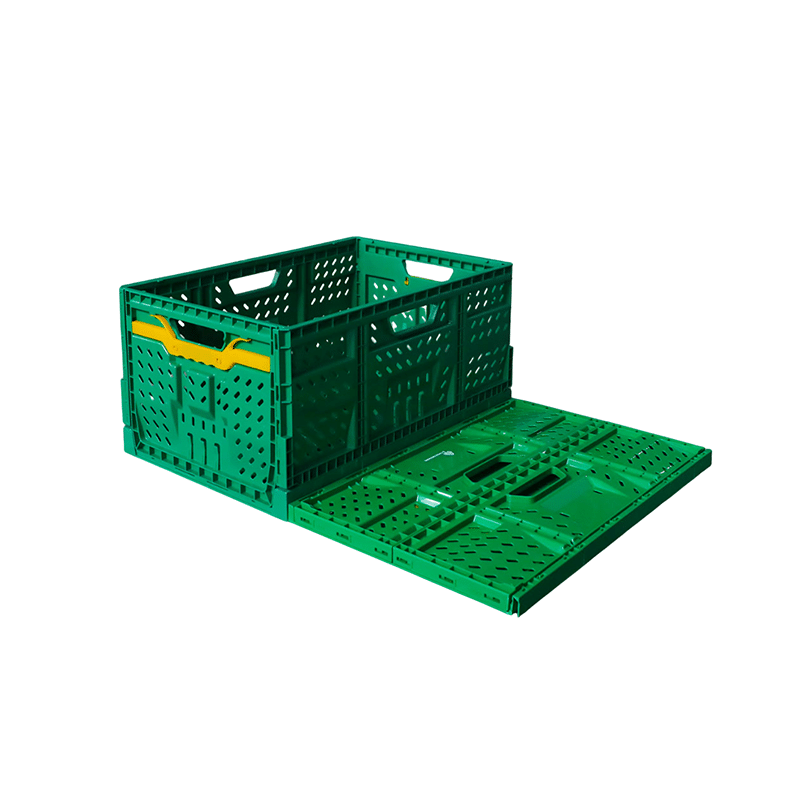
Plastic Folding Crate
An excellent space-saving choice that collapses flat when empty to drastically reduce return logistics costs.
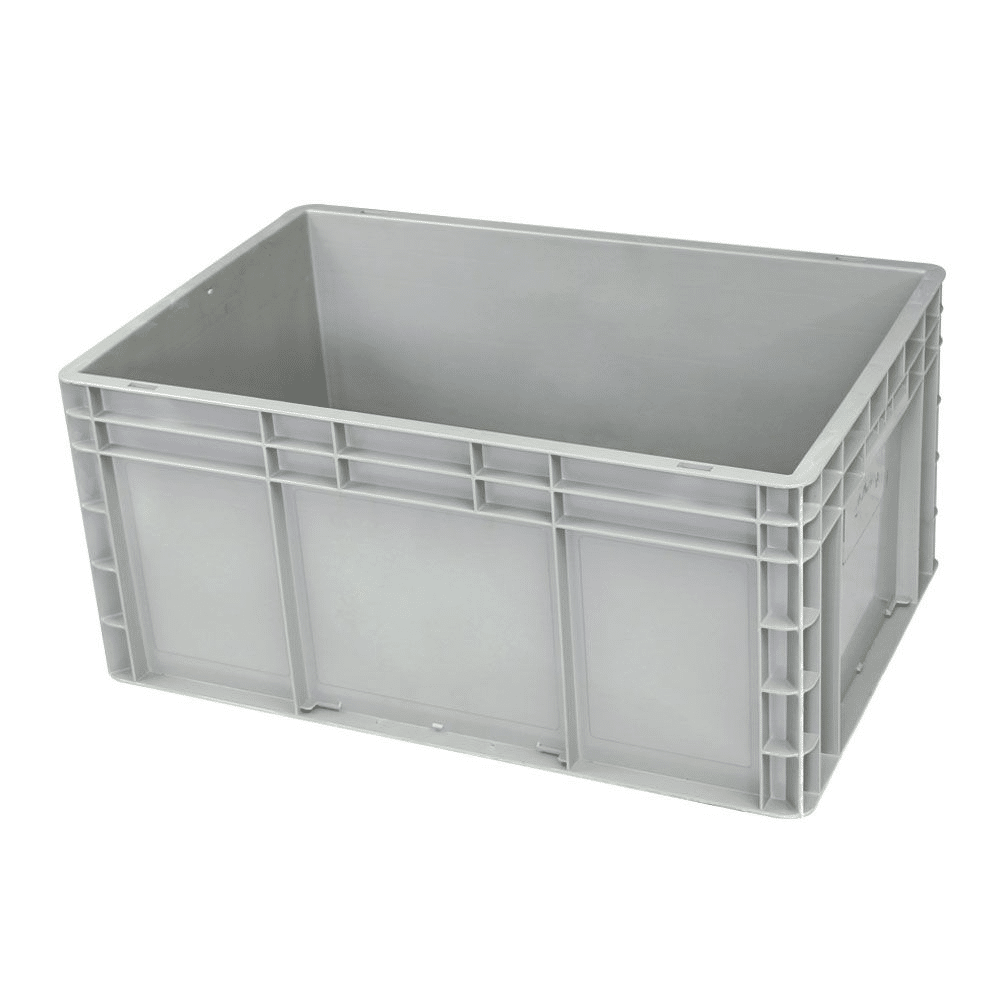
Plastic Turnover Crate
A heavy-duty, versatile crate engineered for seamless automated conveyor integration in retail warehouses.
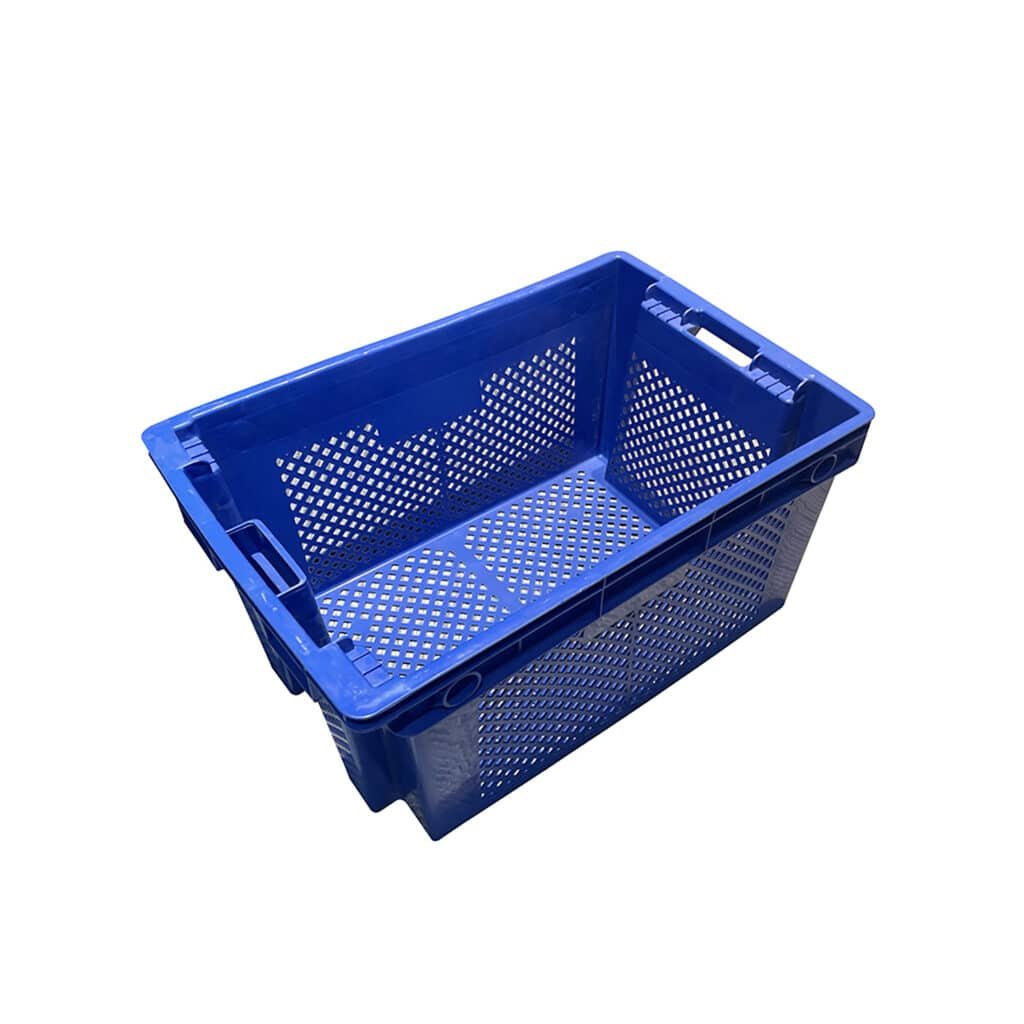
Plastic Nestable Crates
Designed to slide inside one another when empty, maximizing floor space during backhaul transportation.
Contact the ENLIGHTENING expert team today to receive a tailored, cost-effective logistics solution and a free bulk quote for your global retail supply chain.
Retail Handling Crates: Material & Performance Specifications
The performance and service life of retail handling crates depend heavily on their raw material composition and structural engineering.
| Specification Dimension | Performance Standards & Capabilities |
| Material Options | Premium Virgin Virgin HDPE, Polypropylene (PP), or Polyethylene (PE) |
| Impact Resistance | High-impact construction prevents cracking under heavy drop loads |
| UV Resistance | Enhanced UV stabilizers prevent degradation during outdoor loading |
| Corrosion Resistance | 100% resistant to moisture, chemicals, oils, and industrial washing |
| Food Grade Option | Fully compliant with international food safety standards |
| Anti-Static Option | Available with ESD protection for sensitive electronic retail goods |
| Temperature Resistance | Performs flawlessly across a wide range from $-40^\circ\text{C}$ to $+70^\circ\text{C}$ |
| Load Capacity | Dynamic load capacities engineered to safely support up to $50\text{ kg}$ |
How to Choose the Perfect Retail Handling Crates for Your Business?
Selecting the right container requires balancing your specific operational environment with supply chain workflows.
| Procurement Vector | Industrial Operational Requirement |
| Application | Fast picking cycles, backroom distribution, or automated conveyor line routing. |
| Capacity | Ranging from shallow bakery trays up to deep attached-lid security containers. |
| Load Requirement | Static weight limits required for safe vertical multi-tier floor staging. |
| Temperature | Operations spanning from sub-zero supermarket cold rooms to warm delivery trucks. |
| Storage Method | Automated retrieval systems, standard distribution pallets, or retail floor racks. |
| Stackable / Nestable / Collapsible | Balancing stable vertical loading strengths against space savings during empty returns. |
| Food Grade or Industrial Grade | Raw grocery compliance vs heavy-duty non-food package handling resistance. |
| Indoor or Outdoor Use | Indoor backroom fulfillment setups versus rugged outdoor shipping dock operations. |
Comprehensive Guide to Commercial Retail Handling Crates
Introduction
Modern commercial logistics require absolute speed, space optimization, and structural reliability. In high-volume distribution networks, utilizing fragile or outdated packaging choices leads directly to inventory shrinkage, worker fatigue, and costly transport bottlenecks. Investing in heavy-duty retail handling crates transforms warehouse order-picking speed and safeguards cargo from processing centers directly to the sales floor.
Key Takeaways
Heavy-duty retail handling crates lower packaging replacement overhead costs.
Nestable and folding containers slash empty return logistics freight fees.
High polymer integrity protects valuable consumer merchandise from damage.
Standardized footprint designs speed up manual sorting and automated conveyor workflows.
Streamlining Warehouse Sorting Networks
Modern distribution centers rely on continuous automated workflows to move inventory quickly. Standard cardboard boxes crush easily under stress and leave behind paper lint that can jam conveyor sensors. High-density retail handling crates offer uniform dimension stability and clean plastic bases, which prevent automated sorting tracking errors.
By deploying these durable plastic bins alongside specialized logistics moving crates, retail brands create an interlocking freight system. This structural system minimizes product shifting on automated conveyor belts and increases total warehouse picking accuracy.
TIP: Transitioning from cardboard boxes to reusable plastic containers lowers your packaging costs and speeds up backroom staging times.
Optimizing Return Freight Logistics
Managing empty return packaging is a major operational cost driver in modern B2B supply chains. Standard rigid totes take up the same amount of space when empty, which leads to high return transportation costs.
Utilizing advanced space-saving crates next to high-performance nestable plastic crates allows companies to stack empty containers inside one another. This design optimization maximizes cargo truck volume, allowing a single truck to return hundreds of empty bins at once.
| Container Design | Space Efficiency Ratio | Ideal Logistics Phase |
| Rigid Fixed-Wall Box | 1:1 Volume Profile | Inbound high-density heavy transport |
| Nestable Tapered Bins | 3:1 Stacking Savings | Fast-paced empty backroom consolidation |
| Collapsible Folding Box | 5:1 Minimum Profile | Long-distance intermodal return transport |
Protecting Fresh Food Retail Inbound Lines
Transporting fresh agricultural goods presents unique challenges, as items require continuous airflow and gentle support to prevent bruising. Standard solid walls trap natural heat and moisture, which causes fresh inventory to spoil faster. Integrating ventilated transport options alongside fresh produce plastic crates provides excellent ventilation that maintains proper storage temperatures.
For dairy and beverage operations, combining open handling designs with dairy milk crates ensures excellent washability and simple sanitization. This approach prevents bacterial growth and fully satisfies strict global food safety standards.
[ Ambient Cold Air Currents ] ➔ ➔ ➔ [ Ventilated Mesh Wall ]
                                        ↓ [ Circulates Through Food ]
[ Uniform Heat Dispersal    ] 🡨 🡨 🡨 [ Prevents Product Moisture Mold ]
TIP: Use open mesh containers for perishable fresh items to maximize cold room airflow and extend product shelf life.
Ensuring Global Supply Chain Regulation Compliance
International retail distribution demands strict compliance with global safety, dimensions, and sanitation rules. Using uncertified handling containers can lead to costly customs holdups and heavy transport fines. Sourcing containers designed alongside standard Euro container standard plastic crate designs ensures your bins match standard global shipping pallets perfectly.
Furthermore, food retail centers must maintain high sanitization levels. Using certified food containers next to food grade plastic crates ensures your facility remains compliant with international sanitation standards.
Frequently Asked Questions
Why are retail handling crates preferred over cardboard boxes?
Unlike single-use cardboard boxes that tear, sag, and break down when wet, heavy-duty retail handling crates offer over 5 years of reusable service life. Their strong, uniform walls prevent compression damage to products, and their smooth surfaces make them easy to sanitize, which lowers long-term packaging costs.
How do nestable designs improve retail store operations?
Nestable containers feature a tapered design that allows empty units to slide securely inside one another. This design saves up to 75% of empty storage space, keeping tight store backrooms organized and clutter-free before the containers are returned to the distribution hub.
What is the difference between PP and HDPE polymers for retail logistics?
Polypropylene (PP) provides excellent structural stiffness and top-load stack strength, making it ideal for warm warehouses and automated conveyor belts. High-Density Polyethylene (HDPE) delivers superior impact strength and remains flexible in cold environments, making it the top choice for supermarket cold chains.
Can these retail crates be integrated into automated picking systems?
Yes, our premium logistics containers are designed with reinforced, flat bases that ensure quiet, smooth travel along automated conveyor lines. Their uniform dimensions prevent picking errors and prevent automated sorter jams.