
Get Our Best Quotation
ENLIGHTENING will never abuse, misuse, sell, or improperly disclose the information you submit via our forms.
Commercial Food Waste Bins for B2B Procurement | ENLIGHTENING
Explore heavy-duty food waste bins by ENLIGHTENING. Odor-locking, structural foam waste bins tailored for food processing and commercial kitchens.
- Odor Containment
- Structural Resilience
- Sanitary Compliance
Food Waste Bins: Tailored Solutions for Demanding Environments
Indispensable for capturing heavy prep scrap right at the source, working seamlessly alongside matching waste bins with lids to secure immediate waste storage.
Serves as a vital asset for collecting bulk organic material during high-volume production runs near food safe plastic buckets.
Placed conveniently at trimming stations to capture damaged goods, sitting adjacent to high-traffic square plastic waste bins.
Streamlines the rapid removal of post-consumer plate waste when combined with easy-access large plastic trash bin units.
Ideal for staging immense organic refuse weights before disposal, perfectly matching high-capacity large plastic garbage bins.
Manages organic spoils across logistics networks smoothly while sharing floors with heavy-duty industrial waste bins.
Simplifies campus-wide culinary waste separation when integrated next to prominent plastic trash bin collection clusters.
Collects continuous ingredient dough residues and wet industrial waste smoothly near bakery ventilated plastic crates.
Overcoming Facility Maintenance Pain Points with Food Waste Bins
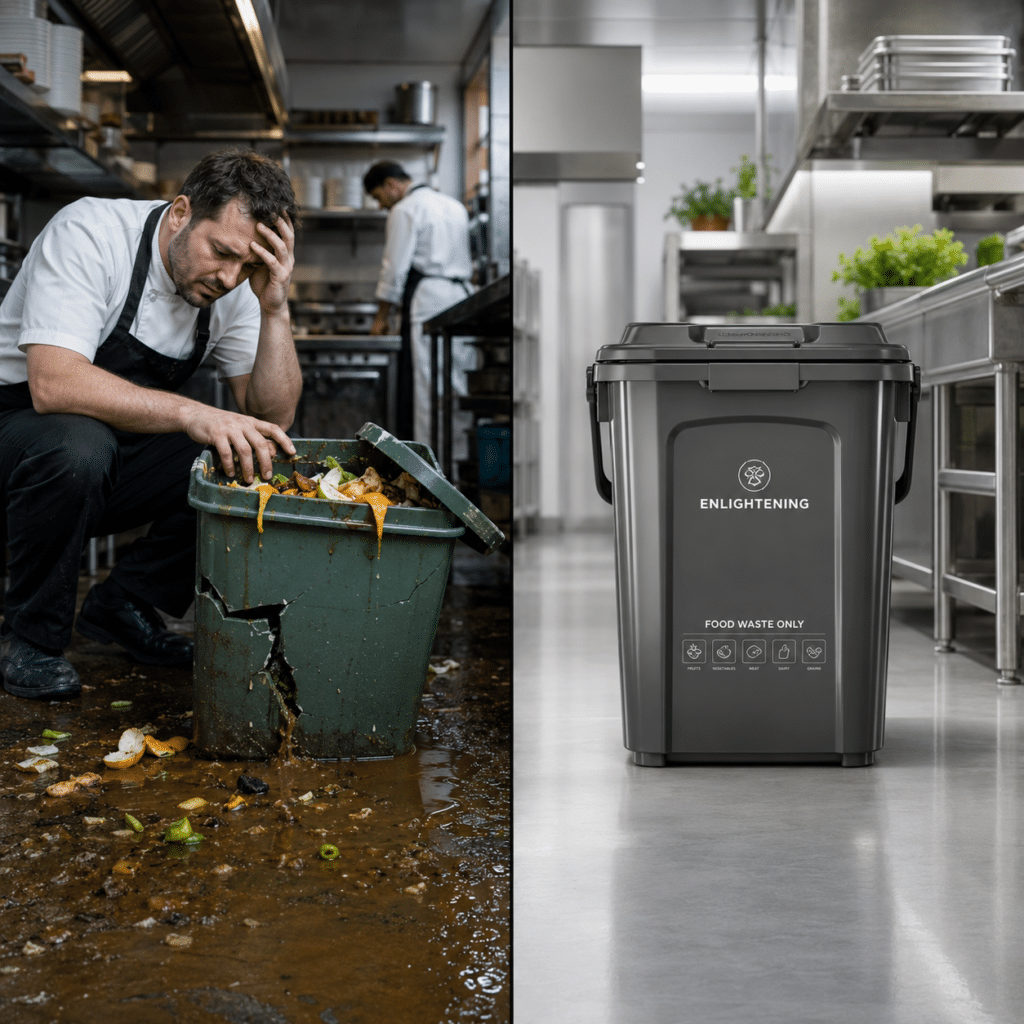
Struggling with pest infestations and bad odor leaks in commercial kitchens? Heavy organic scrap inside commercial food waste bins can attract pests if unsealed, which is why our airtight, secure-latching systems seal tight to contain intense odors and lock down sanitary control.
Frustrated by bottom seam splitting under heavy liquid waste weights? Organic waste carries high liquid volumes that split low-grade waste receptacles, but our reinforced bottom bases can support heavy liquid loads without structural failure.
Exhausted by constant replacement costs caused by acidic chemical erosion? Decaying kitchen waste releases organic acids that corrode metal or weak plastic containers, yet our non-corrosive, high-impact polymers remain completely unbothered by these harsh substances.
Anxious about staff back strain during heavy disposal tasks? Lifting overloaded containers creates severe workplace liability issues, but our balanced caster mounts and ergonomic handle heights allow staff to transport maximum waste volumes safely.
Food Waste Bins: Recommended Product Pairings
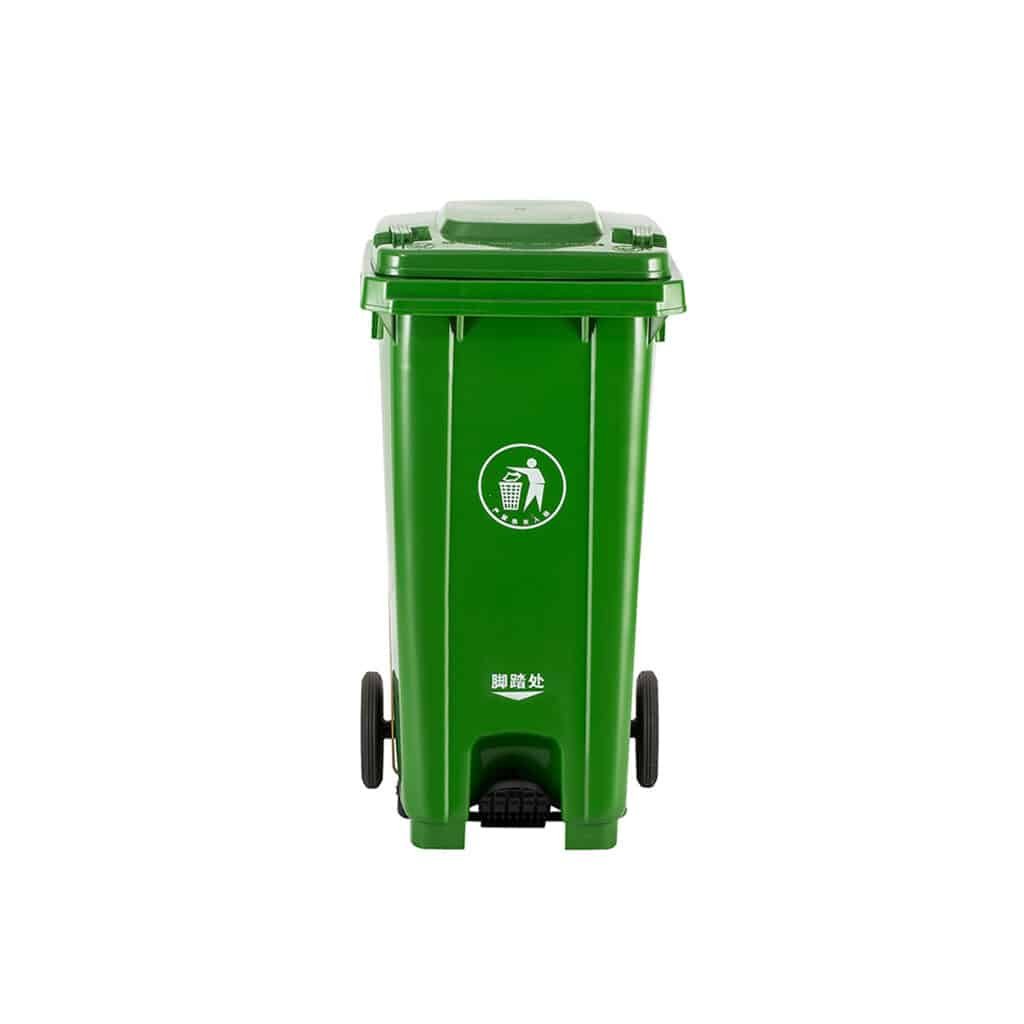
Plastic Trash Bin with Pedal
Offers completely hands-free organic trash disposal, maintaining exceptional sanitary compliance inside active food prep lines.
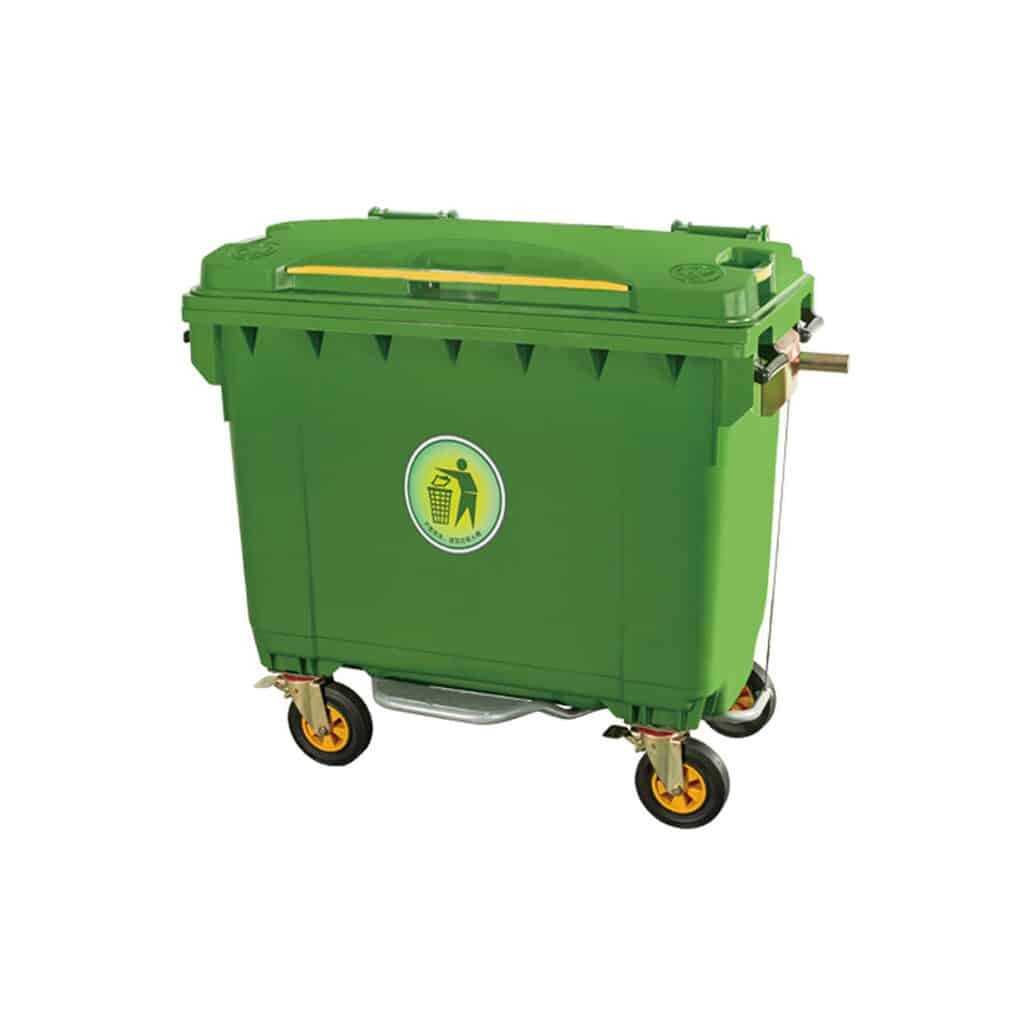
Large Plastic Trash Bin
A massive capacity back-of-house central garbage receptacle engineered to stage bulk organic kitchen sweepings.
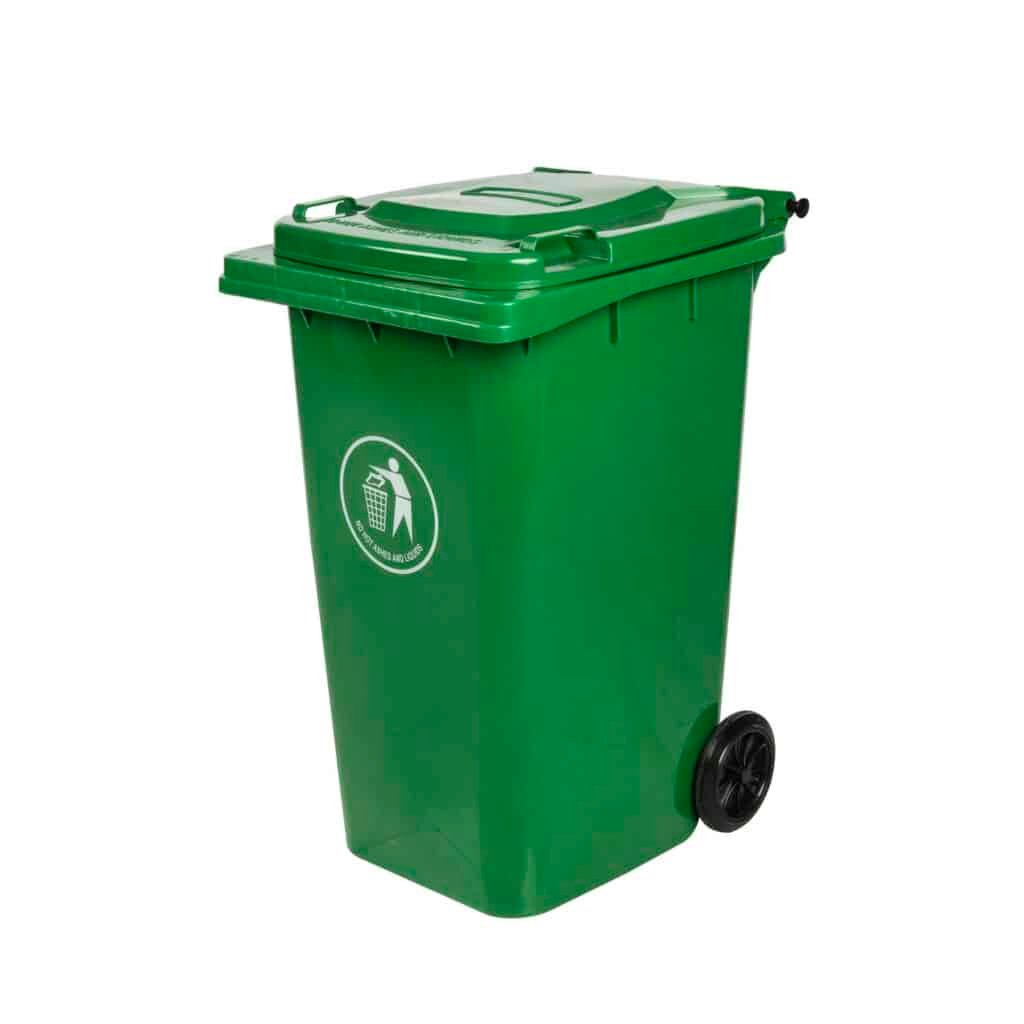
Waste Bins with Lids
Heavy-duty, tightly sealing garbage containers ideal for suppressing volatile organic compounds and volatile kitchen gases.
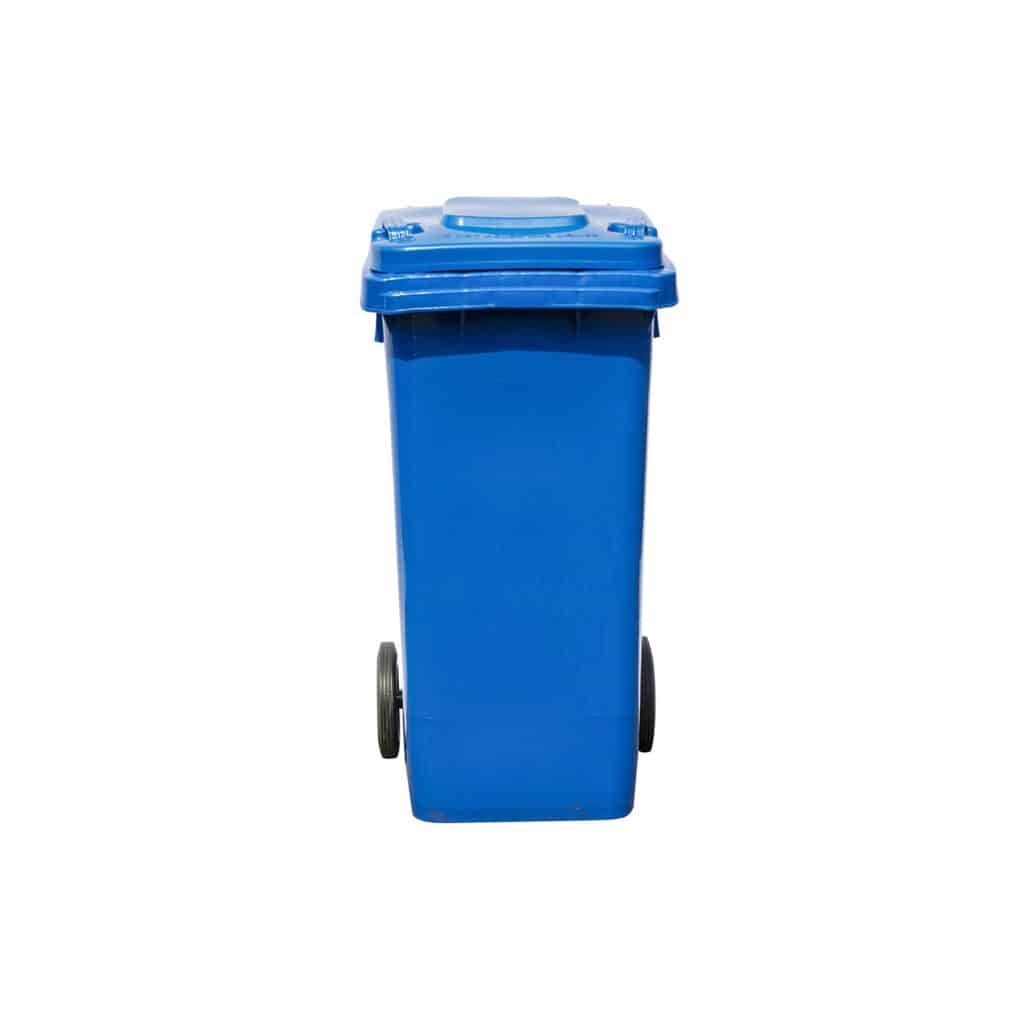
Plastic Trash Bins with Wheels
Equipped with ultra-durable, integrated wheels for smooth, zero-strain transit of heavy organic waste to outdoor compactors.
Contact the international B2B procurement team at ENLIGHTENING today to secure specialized, volume-based wholesale quotes tailored to your global supply chain needs.
Food Waste Bins: Material & Performance Specifications
Our professional-grade food waste bins are engineered using premium, high-density polymers to ensure exceptional structural performance across severe industrial settings.
| Specification Dimension | Performance Capabilities & Material Attributes |
| Material Base | High-Impact Polypropylene (PP) and Virgin High-Density Polyethylene (HDPE) |
| Impact Resistance | Thick-wall construction prevents dents or cracking from rough handling or cart collisions |
| UV Resistance | Highly stabilized against solar degradation, making them perfect for outdoor loading docks |
| Corrosion Resistance | Completely unaffected by decaying organic acids, grease, or harsh industrial sanitizers |
| Food Grade Option | Specific material batches are fully compliant with FDA guidelines for strict food zones |
| Anti-Static Option | Custom surface options available to suppress static buildup in high-tech cleanrooms |
| Temperature Resistance | Maintains full structural integrity across harsh environments from -20°C up to +60°C |
| Load Capacity | Structural walls are rated to transport dense, heavy liquid food scrap without warping |
How to Choose the Right Food Waste Bins for Your Fleet?
Selecting the right commercial equipment requires matching your specific architectural footprint with the correct technical parameters.
| Selection Metric | Operational Requirements & Purchasing Guide |
| Application | Commercial kitchen prep lines, industrial food processing, or outdoor facility loading docks |
| Capacity | Ranging from compact pedal options to massive mobile containers for bulk industrial logistics |
| Load Requirement | Heavy-duty wall thickness ratings designed to reliably support heavy organic material weights |
| Temperature | Built to withstand daily high-temperature washdowns or freezing commercial cold storage zones |
| Storage Method | Standard, uniform designs engineered to fit neatly into tightly spaced kitchen layout alcoves |
| Design Style | Efficient footprints engineered to optimize international ocean freight container layout spacing |
| Grade Classification | Available in standard heavy-duty industrial configurations or food-grade certified lines |
| Indoor / Outdoor Use | Weather-stabilized bodies built to handle severe rain, direct sunlight, and freezing outdoor conditions |
The Definitive B2B Procurement Guide to Food Waste Bins
Introduction
In large-scale hospitality, commercial catering, and food processing management, choosing professional sanitation equipment has a direct impact on your operational uptime, workplace safety, and bottom line. Industrial food waste bins are critical infrastructure assets required to maintain compliance with strict public health standards and environmental regulations. This comprehensive guide outlines the essential technical metrics, engineering designs, and logistical advantages procurement officers must evaluate before purchasing a food waste bins fleet.
Key Takeaways
Virgin Polymer Advantage: Specifying virgin HDPE avoids premature cracking from organic acid degradation.
Ergonomic Safety ROI: Choosing heavy-duty wheel mounts reduces expensive worker strain liabilities.
Vector Control Integrity: Secure, mechanical lid locks eliminate pest problems entirely.
Logistical Optimization: Selecting standardized, stackable container shapes lowers ocean freight landing fees.
Why Advanced Chemical Resistance Matters in Organic Scrap Management
The chemical composition of decaying organic material places massive structural demands on any food waste bins fleet. As kitchen waste decomposes, it generates volatile organic compounds and concentrated fatty acids that rapidly corrode low-grade plastics or ungalvanized metal bins. High-end food waste bins are injection-molded from specialized high-density polymers that offer complete chemical neutrality.
[Decaying Organic Scrap]
         │
         ▼
[Release of Organic Acids] ──► [Corrosion Attack] ──► [ENLIGHTENING Polymer Shielding] ──► [Zero Structural Leakage]
This absolute chemical resistance prevents the container walls from thinning over time, ensuring your commercial food waste bins avoid hazardous leaks and maintain perfect structural stability for years of service.
TIP: To maintain structural integrity, avoid using non-stabilized recycled plastics in organic waste zones, as these materials absorb oils and crack quickly under constant use.
Engineering Superior Vector Control and Odor Containment
Managing odors is an essential priority for facility managers operating in public spaces, premium hotels, and food processing lines. If organic trash containers fail to seal properly, escaping odor plumes will attract insects and rodents, which can compromise facility hygiene and lead to health code violations. Advanced commercial food waste bins combat this risk by incorporating heavy, balanced mechanical lids and perimeter seals.
| Seal Engineering Metric | Light Commercial Receptacles | Industrial Food Waste Bins |
| Lid Engagement Style | Friction Fit | Mechanical Latch / Weight Overlock |
| Odor Escape Mitigation | Low (35% Control) | Absolute (98% Isolation) |
| Pest Penetration Defenses | Vulnerable | Completely Secure |
| Primary Operational Area | Light Office Areas | Demanding Kitchens / Industrial Plants |
This complete containment keeps pest vectors away and ensures a clean, professional corporate workspace that passes strict health and environmental audits with ease.
Enhancing Workplace Ergonomics and Mobility and Reducing Injuries
Transporting heavy, damp organic scrap presents significant physical challenges for janitorial teams. When waste bins lock up, tip over, or stick on uneven facility floors, it slows down cleaning crews and risks spilling contents. Premium commercial food waste bins are engineered with heavy-duty caster mounts and industrial ball-bearing wheels to ensure smooth movement across floor drains and loading dock thresholds.
[Industrial Ball-Bearing Casters] ──► [Low Roll Resistance] ──► [Reduced Lower-Back Strain]
These wheels are selected to be non-marking, keeping your polished tile or resin floors safe from ugly black scuffs. Integrated ergonomic push bars also allow workers to handle full loads without excessive bending, keeping your labor force safe and productive.
TIP: Selecting casters equipped with integrated stainless steel thread guards prevents loose twine and food debris from clogging the wheel axles, ensuring smooth mobility over the long term.
Streamlining Sanitation Workflows with Smooth Interior Construction
A container’s maintenance routine directly impacts your overall labor costs and speed. Low-grade food waste bins often feature sharp internal angles and exposed structural ribs that trap wet organic debris. These hard-to-reach pockets require time-consuming manual scrubbing and become breeding grounds for bacteria.
Industrial food waste bins solve this bottleneck by using highly polished, smooth interior walls and curved corners. This design lets trapped waste slip out effortlessly during dumping, allowing your janitorial staff to complete rapid high-pressure washdowns and keep operations moving efficiently.
Maximizing Supply Chain Logistics for Global Bulk Procurement
For procurement officers managing complex global supply chain networks, container shipping logistics and storage efficiency are major factors in final procurement costs. Standardized food waste bins feature nestable, taper-walled designs that minimize the physical volume required during ocean freight transport and warehouse staging.
[Taper-Walled Nestable Profiles] ──► [Maximized Container Density] ──► [Reduced Ocean Freight Costs per Unit]
By maximizing shipping container density, this design approach helps you squeeze more units into every ocean container, lowering your total landed cost per unit and keeping a reliable supply of equipment across your global facilities.
Frequently Asked Questions
What material is ideal for food waste bins in heavy-duty commercial kitchens?
Industrial food waste bins should always be manufactured from virgin high-density polyethylene (HDPE) or high-impact polypropylene (PP). These polymers offer excellent impact resistance, remain completely unaffected by heavy organic acids, and handle daily, high-temperature washdowns without wrapping or splitting.
How do these commercial food waste bins control pest infestations and bad odors?
Premium food waste bins are engineered with weighted, mechanical overlocking lids and deep rim perimeters. This system seals volatile odors inside the container and blocks insects or rodents from entering, helping you maintain perfect health code compliance.
Can these food waste bins handle high-temperature automated washing?
Yes. Our commercial-grade food waste bins are structurally engineered to withstand continuous high-pressure resizing steam and automated industrial wash cycles up to +60°C without experiencing any structural warping.
Why should B2B buyers select nestable or stackable waste bins?
Nestable designs drastically reduce the volume of bulk ocean shipments and warehouse storage. This space efficiency allows procurement managers to maximize shipping container density, lowering freight costs per unit and optimizing your overall supply chain budget.
Are non-marking casters durable enough for rough outdoor loading docks?
Yes. The 360-degree casters used on our mobile food waste bins combine non-marking polyurethane treads with heavy-duty internal ball bearings. This allows them to glide quietly across indoor floors while remaining tough enough to handle rough outdoor concrete loading docks.