
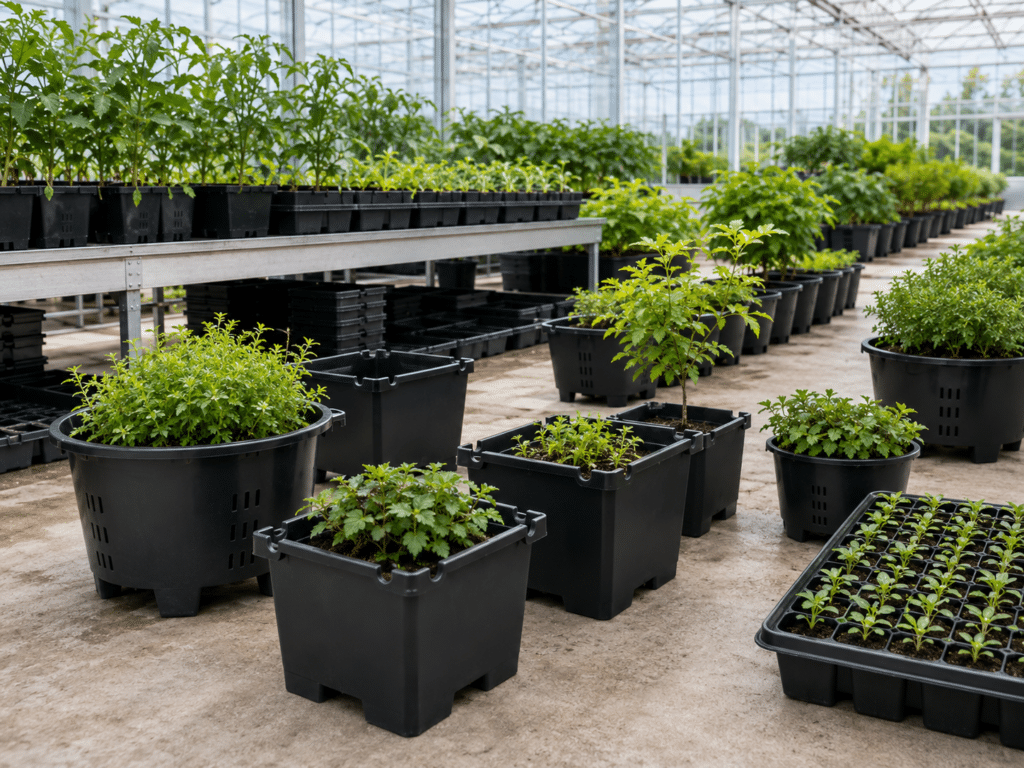
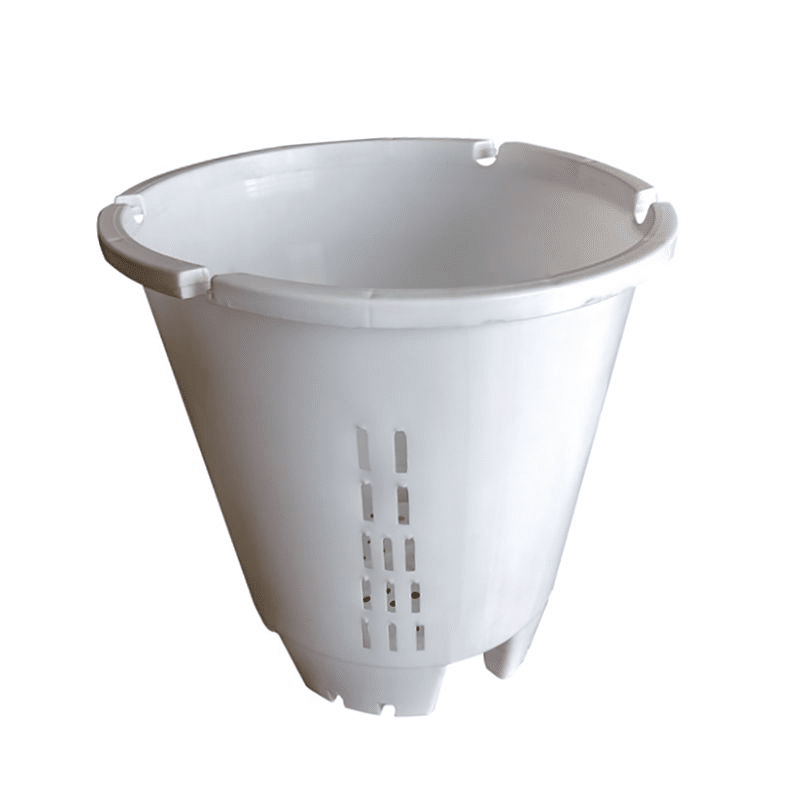

Nursery crates are reusable plastic containers designed for seedling trays, plug plants, small potted plants, flowers, herbs, and young shrubs. They help growers move plants safely through propagation, watering, sorting, transport, and retail display.
For B2B buyers, nursery crates are not just storage boxes. They affect labor speed, plant damage rate, empty crate storage, delivery efficiency, and brand presentation. A well-chosen crate can make daily nursery operations cleaner, faster, and easier to control.
Key Takeaways
Nursery crates should match the real plant size, not only the catalog size.
Ventilation and drainage matter because plants often move with wet soil and fresh irrigation water.
Stacking strength matters when crates are loaded, stored, or transported in bulk.
Nestable or folding designs matter when empty crates return from dealers or retail shops.
Outdoor nurseries should request UV-stabilized material.
ENLIGHTENING can customize nursery crates by size, color, logo, material grade, drainage design, and stacking structure.
TIP: Before ordering nursery crates in bulk, send your tray size, pot diameter, full loaded weight, stack height, and delivery method. This prevents size mismatch and strength problems.
What Makes Nursery Crates Different from Regular Plastic Crates?
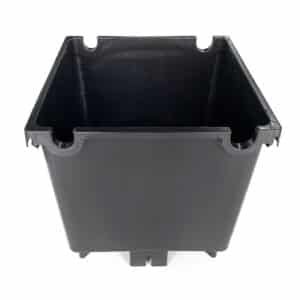
Nursery crates are made for plants, soil, water, and repeated handling. Regular crates may hold goods well, but plant handling creates different pressure points.
Nursery crates need:
Strong bottom support for wet soil and potted plants.
Side ventilation for airflow.
Drainage space for irrigation water.
Smooth inner walls to reduce leaf and stem damage.
Stacking stability for greenhouse storage.
Outdoor resistance for sun, humidity, and fertilizer exposure.
Many growers also use ventilated farm plastic crates for similar agricultural handling needs, but nursery crates usually focus more on seedling protection, pot stability, and plant presentation.
Where Are Nursery Crates Used Most Often?
Nursery crates are widely used across commercial growing and plant distribution. The same crate may serve several points in the workflow.
| Use Area | Main Purpose | Key Crate Requirement |
|---|---|---|
| Greenhouse propagation | Move seedlings and trays | Ventilation, drainage, light weight |
| Flower nursery | Sort and transport potted flowers | Stable bottom, smooth sides |
| Retail garden center | Display and restock plants | Clean appearance, easy handling |
| Landscaping supplier | Deliver mixed plant orders | Strong stacking, repeat use |
| Outdoor nursery yard | Store plants under sunlight | UV resistance, impact strength |
| Wholesale distribution | Ship plants to dealers | Stackability, load strength |
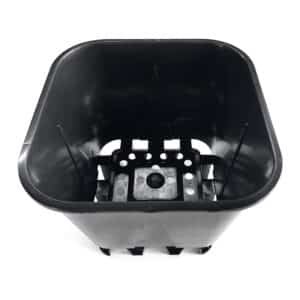
Nursery crates also support plant programs that need color coding. For example, one color can be used for seedlings, another for flowering plants, and another for customer orders.
Why Do Ventilation and Drainage Matter?
Plants are different from dry industrial goods. They release moisture, hold water in soil, and often move shortly after irrigation. Poor drainage can create excess moisture inside the crate.
Good nursery crates help with:
Faster water runoff after irrigation.
Better airflow around trays and pots.
Less standing water during transport.
Cleaner handling in greenhouse aisles.
Lower risk of root zone stress from trapped moisture.
This is why many nursery buyers prefer open-wall or perforated crate designs. For flowers and young plants, flower nursery plastic crates can support more plant-friendly handling than closed storage containers.
TIP: If plants are watered before shipping, choose nursery crates with drainage holes and enough bottom clearance.
Which Material Is Better for Nursery Crates?
PP and HDPE are common choices for nursery crates. The right choice depends on how the crate will be used.
PP gives good rigidity and stacking performance. It works well for indoor greenhouse use, plant sorting, and light-to-medium transport.
HDPE offers stronger impact resistance and better toughness. It suits outdoor yards, rough loading, repeated transport, and colder environments.
PE-based materials can support flexible handling requirements, but buyers should confirm wall thickness, load capacity, and outdoor resistance before bulk ordering.
| Material | Best For | Buyer Notes |
|---|---|---|
| PP | Rigid stacking, indoor greenhouse handling | Good shape stability |
| HDPE | Outdoor use, impact resistance, rough handling | Better toughness |
| PE-based material | Flexible handling and custom needs | Check strength carefully |
| Recycled plastic | Cost-sensitive programs | Confirm color, strength, and service life |
| Virgin plastic | Cleaner appearance and stable quality | Better for premium buyers |
Nursery crates can also be made with UV stabilizer, color masterbatch, anti-static additive, or food-grade material if the application requires it.
How Should Buyers Think About Load Capacity?
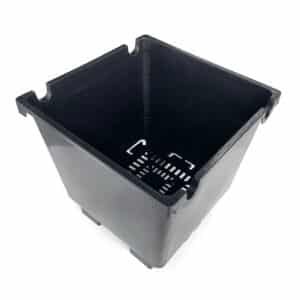
Nursery crates should be selected based on real working load, not empty crate size. Wet soil is heavy. Potted plants can also shift during transport.
Before choosing nursery crates, check:
How many pots or trays fit in one crate.
The weight of each pot after watering.
The total crate weight when fully loaded.
How many loaded crates will be stacked.
Whether workers lift by hand, trolley, forklift, or truck.
Whether crates are used indoors or outdoors.
| Buyer Input | Why It Matters |
|---|---|
| Pot diameter | Determines inner crate size |
| Tray size | Prevents wasted space |
| Wet load weight | Controls bottom strength |
| Stack height | Controls wall and corner strength |
| Transport distance | Controls impact and vibration needs |
| Return cycle | Controls service life requirement |
A crate that works for dry empty pots may fail when used with wet soil and plants. Buyers should test full-load samples before placing large orders.
Should Nursery Crates Be Stackable, Nestable, or Collapsible?
Each structure solves a different problem.
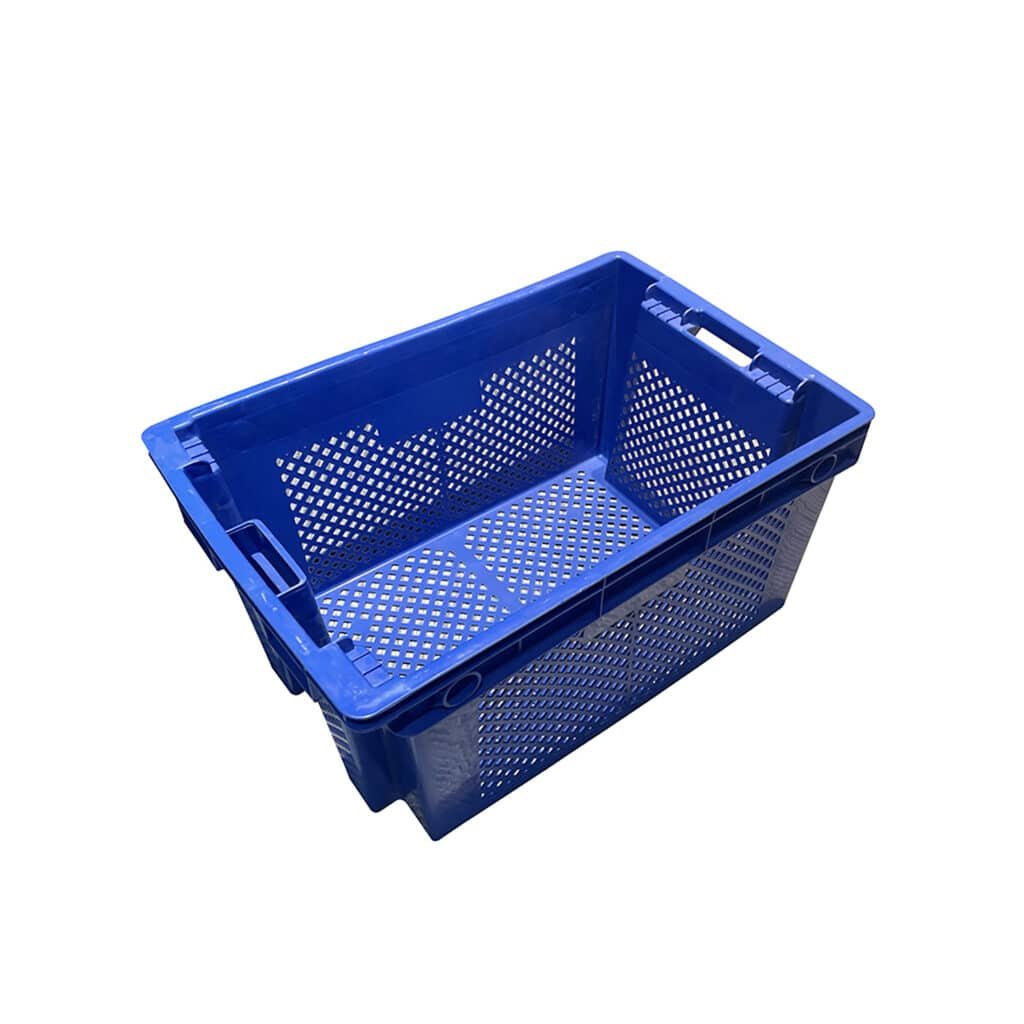
Stackable nursery crates are best when loaded crates need to stay stable. They are suitable for greenhouse storage, truck loading, and wholesale plant delivery.
Nestable nursery crates save space when empty. They work well for return systems where empty crates come back from retailers or dealers.
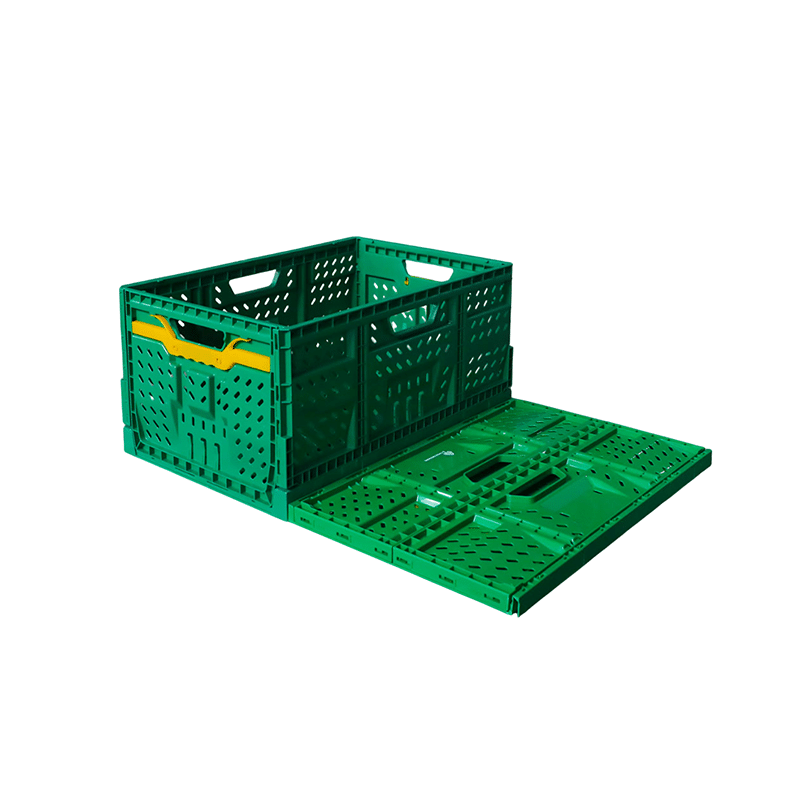
Collapsible nursery crates reduce empty volume even further. They are useful when warehouse space and return freight cost are major concerns.
| Structure | Best Use | Main Benefit |
|---|---|---|
| Stackable | Loaded plants | Stable storage and transport |
| Nestable | Empty returns | Saves space after unloading |
| Collapsible | Return logistics | Reduces empty volume |
| Bale arm | Loaded stacking and empty nesting | Flexible daily use |
For nurseries with frequent dealer deliveries, returnable plastic crates can help build a more controlled packaging cycle.
How Can Nursery Crates Reduce Plant Damage?
Plant damage often happens during lifting, sliding, stacking, and truck movement. Nursery crates reduce this risk when the size and structure match the plant.
Good nursery crates help by:
Keeping pots upright.
Reducing direct hand contact with fragile stems.
Preventing trays from bending.
Separating plant batches.
Reducing compression during stacking.
Making loading and unloading faster.
Crates with smooth inner surfaces are better for delicate leaves. Crates with strong ribs and stable bases are better for heavier pots.
TIP: For flowering plants, avoid crates with rough internal edges or tight walls that rub against leaves and buds.
What Custom Options Matter for B2B Buyers?
Nursery crates can be customized for grower brands, distributor systems, and retail programs.
Common options include:
Custom color for brand identity or plant category.
Logo printing or molded logo.
Label area for batch codes and order tracking.
UV-resistant material for outdoor use.
Recycled or virgin material selection.
Drainage hole layout.
Reinforced corners and bottom ribs.
Barcode, QR code, or RFID-ready label zone.
Custom colors help large growers separate plant lines. A distributor may use green for herbs, black for shrubs, and grey for return crates. ENLIGHTENING can match crate color to your brand system or operation logic.
How Do Nursery Crates Fit Wholesale Plant Logistics?
Wholesale plant distribution needs strong and repeatable handling. Plants often move from greenhouse to staging area, then to truck, then to dealer, then to retail floor.
Nursery crates help standardize this workflow.
They allow workers to pick by order.
They reduce mixed-batch confusion.
They improve truck loading density.
They make returns easier.
They support cleaner retail display.
They can work with labels and route planning.
For large greenhouse and farm operations, agricultural harvest plastic crates may also support related picking, sorting, and transport workflows.
Are Nursery Crates Suitable for Outdoor Use?
Yes, nursery crates can be suitable for outdoor use when the material and additive package are correct. Outdoor use creates extra stress from sunlight, heat, rain, fertilizer water, and rough ground movement.
Outdoor nursery crates should have:
UV stabilizer.
Impact-resistant material.
Stronger side walls.
Stable color performance.
Drainage openings.
A design that can handle repeated lifting and stacking.
For outdoor yards and garden centers, UV resistant outdoor crates are a better reference than standard indoor storage crates.
When Should Food Grade Material Be Considered?
Food grade material is not always required for nursery crates. It becomes more relevant when crates handle edible herbs, vegetable seedlings, or plant products that enter a food-related supply chain.
Food grade nursery crates can be useful for:
Herb growers.
Vegetable seedling suppliers.
Controlled agriculture projects.
Buyers with stricter audit requirements.
Export programs with compliance checks.
For these cases, food grade plastic crates may be more suitable than standard industrial-grade crates.
How Do Nursery Crates Support Warehouse and Order Management?
Nursery operations often struggle with mixed SKUs, seasonal peaks, and fast dispatch. Nursery crates help organize plants by batch, size, variety, and route.
A good crate system supports:
Better order picking.
Cleaner staging before shipment.
Faster truck loading.
Easier inventory counting.
Lower plant handling stress.
More consistent delivery presentation.
For larger storage areas, warehouse organization plastic crates can help build a more structured layout around nursery crates.
What Should Buyers Ask Before Placing a Bulk Order?
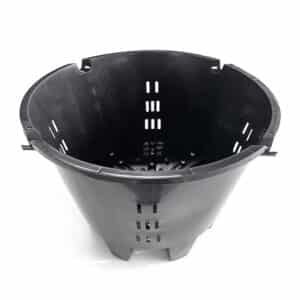
Before buying nursery crates, prepare a clear specification. This saves time and prevents wrong product selection.
Ask these questions:
What plant types will the crates hold?
What pot or tray sizes are used?
What is the full loaded weight after watering?
Will the crates be stacked when full?
How many times will each crate be reused?
Will the crates stay outdoors?
Do you need custom colors or logos?
Do you need food grade material?
Do you need nestable, stackable, or collapsible design?
Will workers lift by hand or use trolleys?
TIP: For bulk orders, request samples and test them with real wet plants before confirming mass production.
How Can ENLIGHTENING Help with Nursery Crates?
ENLIGHTENING helps buyers match nursery crates to real plant handling conditions. Instead of only checking size, we review your application, load weight, storage method, return cycle, and outdoor exposure.
We can support:
Factory-direct supply.
Custom color production.
Logo printing or molded branding.
Material selection.
UV-resistant options.
Stackable, nestable, or folding designs.
Sample support before bulk order.
Export packaging and order planning.
For plant growers, distributors, and garden center suppliers, nursery crates should reduce handling cost and protect plant value. ENLIGHTENING focuses on practical crate selection that fits your daily operation.
Conclusion
Nursery crates help commercial growers move, store, sort, and deliver plants more efficiently. The right crate protects seedlings, supports wet soil loads, saves space, and improves wholesale plant distribution.
For the best result, choose nursery crates by application, plant size, material, load capacity, drainage design, and storage method. ENLIGHTENING can help you compare options and select a crate structure that fits your greenhouse, nursery yard, retail channel, or export program.