
Get Our Best Quotation

ENLIGHTENING will never abuse, misuse, sell, or improperly disclose the information you submit via our forms.

Supermarket Crates with Bale Arms | ENLIGHTENING

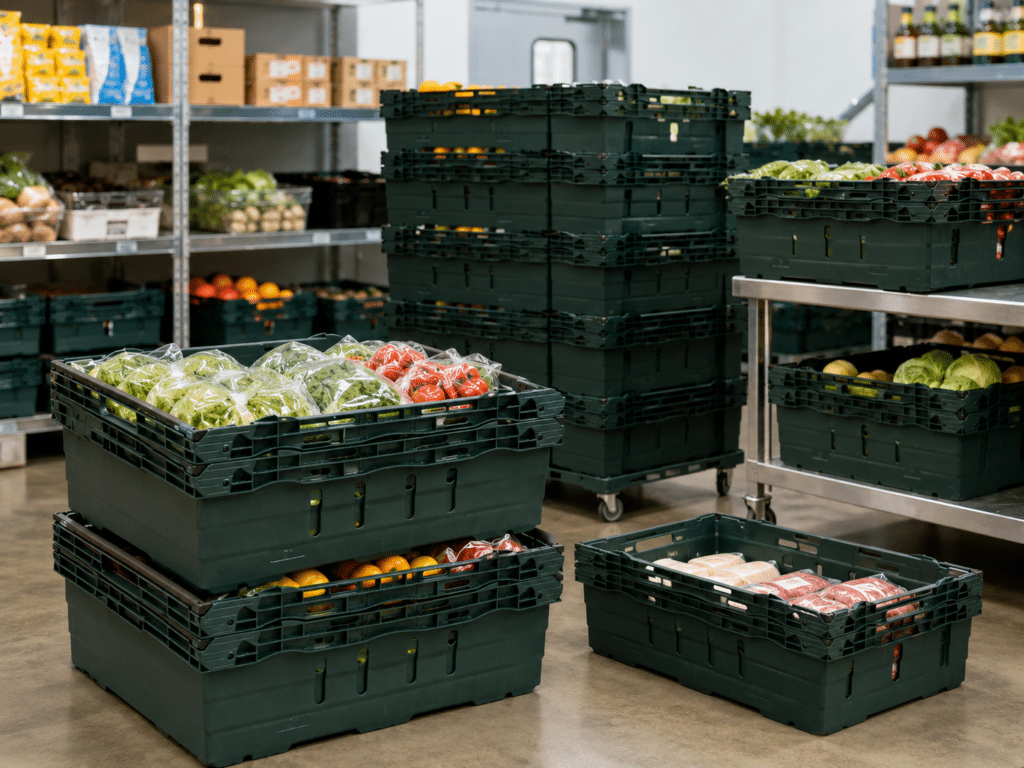
ENLIGHTENING supermarket crates with bale arms help retailers stack full crates, nest empty crates, and handle goods faster.

Supermarket Crates with Bale Arms for Retail Applications

Fresh Produce

Supermarket crates with bale arms help stores move fruit, vegetables, bakery goods, and packaged foods without loose handling.

Shelf Replenishment

Supermarket crates with bale arms support fast movement from stockroom shelves to retail display areas.

Backroom Storage

Supermarket crates with bale arms keep small goods, packaged items, and daily stock organized in limited storage areas.

Returnable Logistics

Supermarket crates with bale arms stack when loaded and nest when empty, reducing return storage pressure.

Retail Chains

Supermarket crates with bale arms can be color-coded for store departments, routes, or product categories.

Grocery Delivery

Supermarket crates with bale arms are practical for store-to-store transfer, pickup orders, and grocery distribution.

Promotional Stock

Supermarket crates with bale arms help staff move seasonal goods and promotional products more efficiently.

Distributor Supply

ENLIGHTENING supermarket crates with bale arms can be supplied in bulk for retailers, wholesalers, and supermarket equipment dealers.

Supermarket Crates with Bale Arms: Application Pain Points

  • Do You Need Crates That Stack Full and Nest Empty?

    Standard crates often waste space after unloading. Supermarket crates with bale arms allow stable stacking when the bale arms are raised and space-saving nesting when the bale arms are lowered.

  • Do You Need Faster Store Replenishment?

    Loose cartons slow down shelf restocking and create backroom clutter. Supermarket crates with bale arms help workers move grouped products from storage to display areas faster.

  • Do You Need Better Handling for Fresh Food Areas?

    Fresh produce, bakery items, and packaged foods need clean and reusable handling. Supermarket crates with bale arms provide washable plastic surfaces and organized product movement.

  • Do You Need Lower Empty Return Volume?

    Empty crates can take too much truck and warehouse space. Supermarket crates with bale arms reduce empty return volume through nestable design.

  • Do You Need Stronger Retail Crates for Daily Use?

    Weak handles and thin sidewalls fail under repeated lifting. Reinforced supermarket crates with bale arms help reduce breakage during daily retail handling.

Recommended Products for Supermarket Crates with Bale Arms

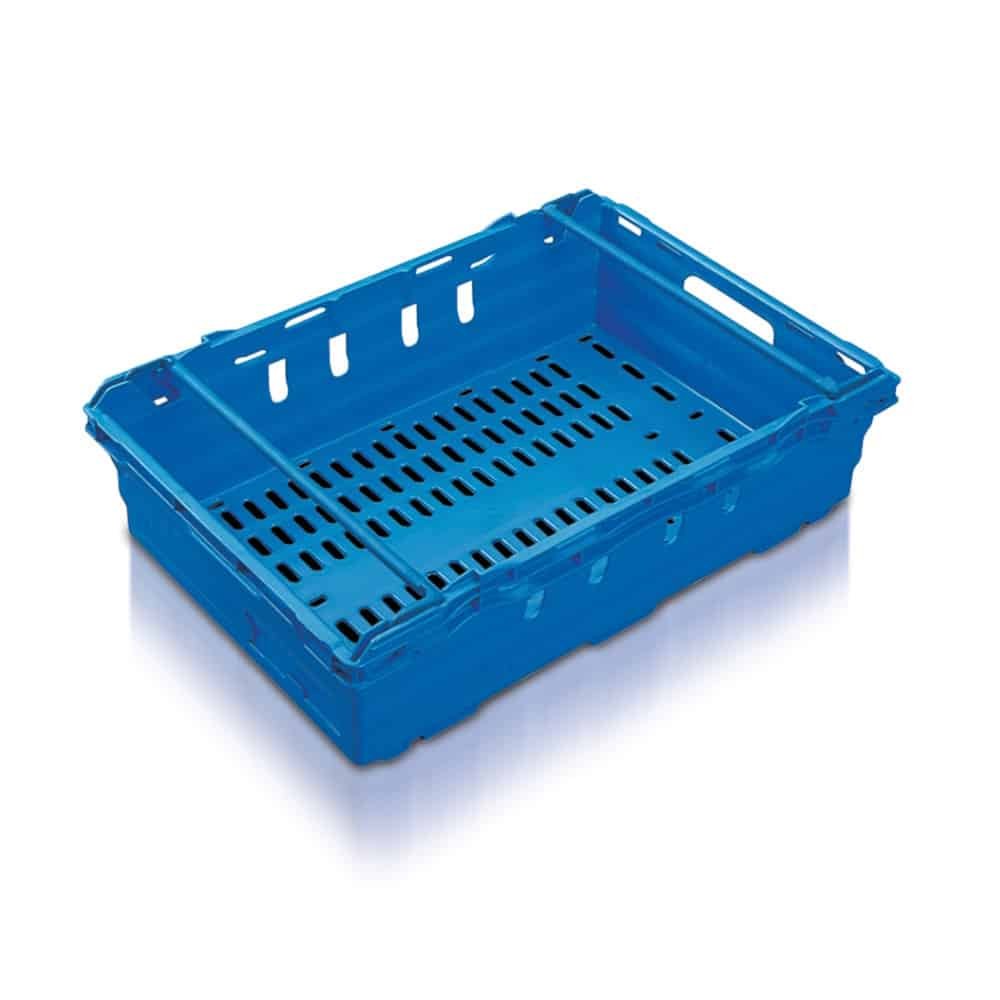
Bale Arm Crate

The closest match for retail crates that stack when full and nest when empty.

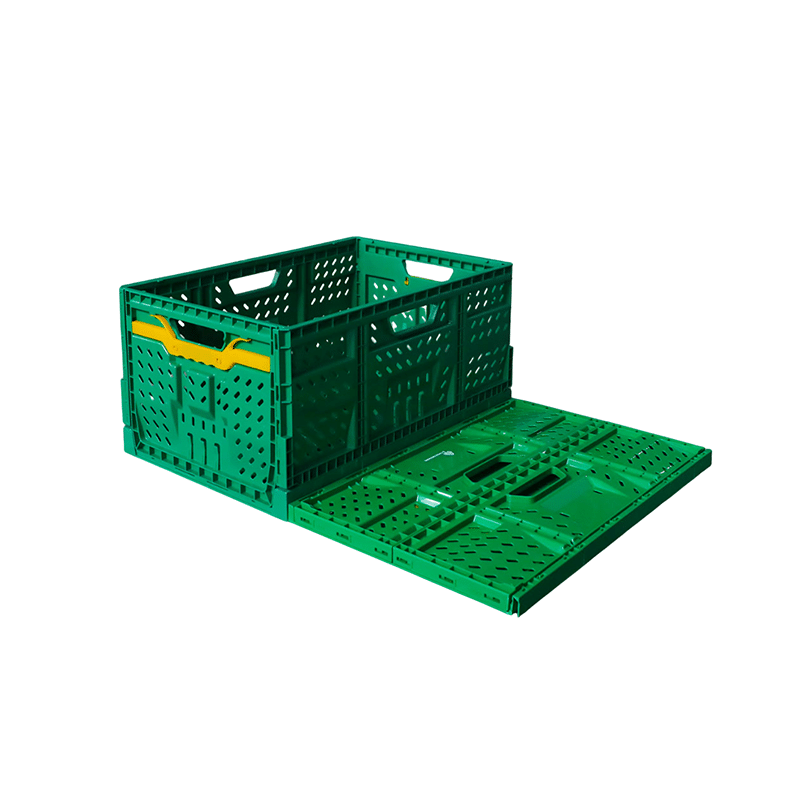
Plastic Folding Crate

An advanced collapsible variant engineered for maximum volume reduction during long-distance return shipping.

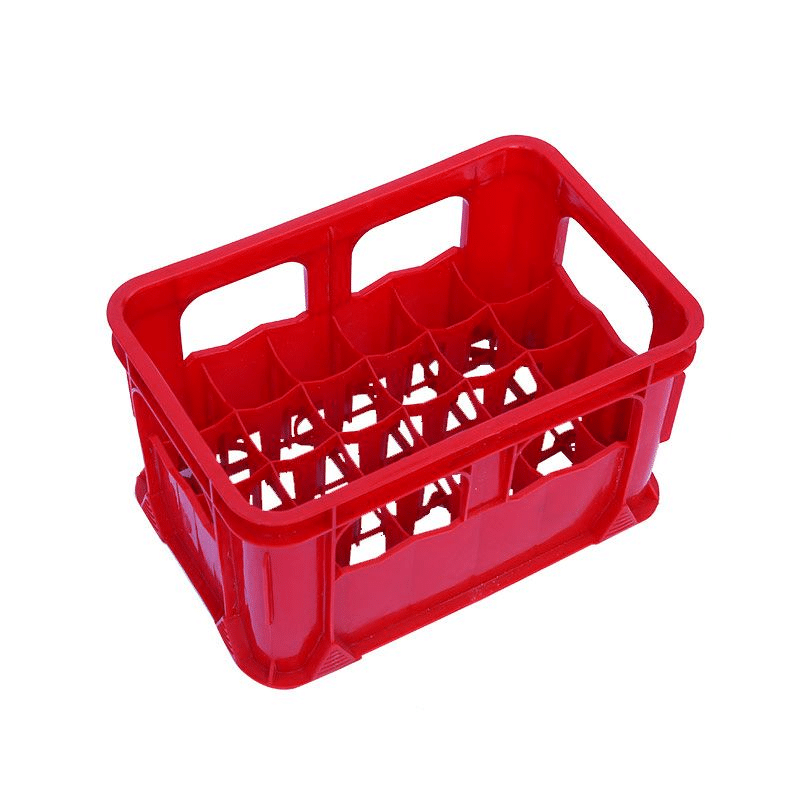
Plastic Beverage Crates

Suitable for supermarkets and beverage distributors handling bottles and returnable packs.

Plastic Drying Tray

Suitable for fresh food backrooms, washed goods holding, or temporary food handling areas.

Need ENLIGHTENING to Help You Choose Supermarket Crates with Bale Arms?

ENLIGHTENING helps you choose supermarket crates with bale arms by matching your product type, crate capacity, stacking height, nesting space, handle strength, color plan, and bulk order budget.

Supermarket Crates with Bale Arms Material and Performance

Supermarket crates with bale arms should balance load strength, handle durability, easy nesting, clean appearance, and repeated retail use.

DimensionSuitable Option for Supermarket Crates with Bale Arms
PP / HDPE / PE materialPP is common for rigid retail crates; HDPE is better for higher impact resistance; PE can be used for flexible or cold-use requirements.
Impact resistanceMedium to high impact resistance is recommended for daily lifting, stacking, unloading, and return handling.
UV resistanceOptional UV stabilizer is useful for outdoor loading areas, open markets, garden centers, and long-term sunlight exposure.
Corrosion resistancePlastic crates resist moisture, fresh produce residue, cleaning agents, and normal retail spills.
Food grade optionFood-grade material can be supplied for fresh produce, bakery, grocery, or near-food handling.
Anti-static optionUsually not required for supermarket use, but available for electronics or special retail storage.
Temperature resistanceSuitable for indoor retail, fresh food rooms, backroom storage, and selected cold-area handling depending on material.
Load capacityCapacity depends on crate size, wall thickness, bale arm strength, and stacking height; retail use focuses on safe manual handling and stable stacking.


How to Choose the Right Supermarket Crates with Bale Arms?

Choosing supermarket crates with bale arms means matching crate size, bale arm strength, product load, storage method, nesting space, and daily retail workflow.

Selection FactorHow to Choose for Supermarket Crates with Bale Arms
ApplicationUse supermarket crates with bale arms for fresh produce, grocery handling, shelf replenishment, backroom storage, and returnable retail logistics.
CapacityChoose capacity based on product size, average replenishment volume, and worker carrying comfort.
Load requirementCheck single-crate load, stacked load, bale arm strength, and bottom support before bulk ordering.
TemperatureStandard PP suits indoor retail; HDPE or special material suits cold rooms, outdoor loading, or rough handling.
Storage methodUse nesting design when empty crate storage space is limited.
Stackable / nestable / collapsibleBale arm crates stack when full and nest when empty; folding crates are better for very limited storage.
Food grade or industrial gradeChoose food-grade material for fresh produce, bakery, grocery, or unpacked food handling.
Indoor or outdoor useIndoor retail needs clean appearance and easy washing; outdoor use needs better UV and impact resistance.


What Are Supermarket Crates with Bale Arms? Supermarket Crates with Bale Arms Guide

Supermarket crates with bale arms are reusable plastic crates designed with swing handles that control stacking and nesting. When the bale arms are raised, loaded crates can stack securely. When the bale arms are moved down, empty crates can nest together to save space. ENLIGHTENING supermarket crates with bale arms are suitable for supermarkets, grocery chains, convenience stores, fresh food distributors, and retail logistics suppliers.

Key Takeaways

  • Supermarket crates with bale arms stack when full and nest when empty.
  • They help reduce backroom clutter and empty return volume.
  • Bale arms make manual lifting and retail handling easier.
  • Ventilated options suit fresh produce, bakery, and grocery handling.
  • Food-grade material options are available for near-food use.
  • Custom colors and logos help retail chains manage departments and ownership.

TIP: Before ordering supermarket crates with bale arms, confirm product type, crate size, carrying load, stacking height, nesting space, and cleaning method.

Where Are They Used?

Supermarket crates with bale arms are used across retail handling and distribution workflows. They are common in stores that move many small or medium goods every day.

Common applications include:

  • Fresh produce receiving
  • Grocery stockroom storage
  • Shelf replenishment
  • Bakery and packaged food handling
  • Click-and-collect order sorting
  • Store-to-store product transfer
  • Empty crate return logistics
  • Retail warehouse distribution

They are especially useful when loaded crates must stack safely, but empty crates must take less space.

Why Bale Arms Matter
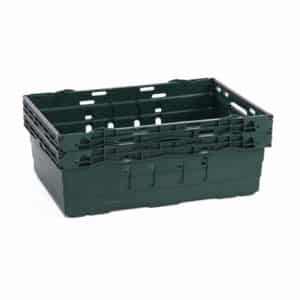
The bale arm is not just a handle. It changes how the crate works.

Bale Arm PositionFunctionBenefit
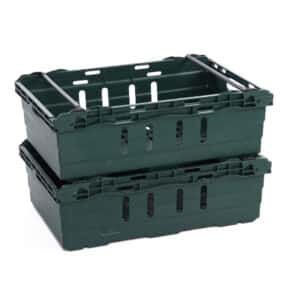
Raised bale armsSupports stackingLoaded crates stack more securely
Lowered bale armsAllows nestingEmpty crates save storage and return space
Side grip useSupports carryingWorkers handle products faster

This design makes supermarket crates with bale arms more flexible than standard straight-wall crates.

Why Retailers Use Them

Retailers use supermarket crates with bale arms because they solve daily space and handling problems.

Main benefits include:

  • Faster shelf replenishment
  • Cleaner stockroom organization
  • Lower empty crate storage volume
  • Better product separation by department
  • Stronger returnable packaging control
  • Easier manual handling
  • Reduced disposable carton use

For supermarket chains, a standard bale arm crate system also helps stores follow the same handling process across different locations.
What Material Should You Choose?

PP is common for supermarket crates with bale arms because it gives good rigidity, clean molding, and stable stacking. HDPE is better for rough delivery routes or outdoor loading areas.

Choose PP for:

  • Indoor retail use
  • Clean molded appearance
  • Rigid crate walls
  • Color customization
  • Stable stacking

Choose HDPE for:

  • Higher impact resistance
  • Outdoor loading
  • Rough delivery handling
  • Cold-area performance

Food-grade material should be selected when crates handle fresh produce, bakery goods, or unpacked food.

How to Check A Good Bale Arm Crate

A good supermarket crate should not only look strong. It must work smoothly during repeated lifting, stacking, nesting, and washing.

Check these details:

  • Bale arm thickness
  • Handle connection strength
  • Rim reinforcement
  • Bottom rib design
  • Smooth inner walls
  • Ventilation openings
  • Stable nested height
  • Easy-clean corners

TIP: For bulk retail orders, test one loaded crate stack and one empty nested stack before confirming the final design.

Custom Options from ENLIGHTENING

ENLIGHTENING supports supermarket crates with bale arms for retailers, grocery chains, and distributors.

Available options include:

  • Custom crate color
  • Logo printing
  • Embossed logo
  • Food-grade material
  • PP or HDPE material
  • Ventilated or solid wall design
  • Label area
  • Bulk export packing

Color coding helps separate fresh produce, bakery, dairy, grocery, and stockroom use. Logo marking also helps reduce crate loss in returnable systems.

Buyer Checklist Before Ordering

Prepare these details before buying supermarket crates with bale arms:

  • Product type
  • Required crate size
  • Carrying load per crate
  • Stacking height
  • Empty nesting space
  • Indoor or outdoor use
  • Food-grade requirement
  • Ventilated or solid wall design
  • Cleaning process
  • Custom color and logo needs
  • Target order quantity

With these details, ENLIGHTENING can recommend supermarket crates with bale arms that match real store and warehouse use.

Final Advice

Supermarket crates with bale arms should make retail handling easier, not create more work. A poor crate may stack badly, jam during nesting, break at the handle, or waste backroom space.

Choose supermarket crates with bale arms based on product load, stacking height, nesting efficiency, handle strength, cleaning needs, and store workflow. ENLIGHTENING can help compare sizes, materials, bale arm designs, and customization options for a stable bulk supply plan.

Table of Contents
Get Our Best Quotation

FAQ About Supermarket Crates with Bale Arms

What are supermarket crates with bale arms used for?

Supermarket crates with bale arms are used for fresh produce handling, shelf replenishment, stockroom storage, grocery delivery, and empty crate return.

Raised bale arms allow loaded crates to stack, while lowered bale arms allow empty crates to nest and save space.

Food-grade material options are available for fresh produce, bakery, grocery, and near-food handling applications.

Yes, ENLIGHTENING can customize color, logo, material, size, ventilation style, and bale arm structure for bulk orders.

Choose the size based on product dimensions, carrying load, stacking height, nesting space, storage area, and daily replenishment volume.

上部へスクロール

ENLIGHTENING respects your privacy. Your details are only used to process your request.

Send your inquiry now

Learn how ENLIGHTENING protects your data in our [Privacy Policy].