
Get Our Best Quotation

ENLIGHTENING will never abuse, misuse, sell, or improperly disclose the information you submit via our forms.

Cold Chain Food Crates | ENLIGHTENING B2B Supply

High-density commercial cold chain food crates for temperature-controlled logistics. Durable, FDA-compliant food storage solutions by ENLIGHTENING.

Cold Chain Food Crates for Every Logistics Scenario

Cold Storage Warehousing

Perfect for automated systems using heavy duty plastic crates in sub-zero environments.

Fresh Produce Distribution

Ensures ventilation and freshness when transporting goods in vegetable and fruit plastic crates.

Dairy Supply Chains

Standardized, hygienic dimensions designed specifically to fit dairy milk crates handling systems.

Seafood Fleet Logistics

Engineered to withstand moisture and heavy ice packing inside meat seafood crates.

Bakery Cold Logistics

Simplifies handling from blast freezing to retail using specialized plastic bakery trays.

Air Freight Cold Chains

Lightweight yet structurally optimized for high-density international air cargo shipping.

Resolving Critical Cold Chain Logistics Bottlenecks

  • Do Your Crates Crack Under Extreme Sub-Zero Temperatures? Brittle plastic leads to broken containers and damaged inventory. Our cold chain food crates are formulated with specialized impact modifiers to remain flexible and structurally sound down to -40°C.

  • Is Contamination Threatening Your Food Safety Compliance? Porous or poorly designed containers harbor bacteria and are difficult to sanitize. We provide food grade plastic crates featuring smooth, non-porous walls that eliminate bacterial buildup and withstand high-pressure washdowns.

  • Are High Return Transport Costs Cutting Into Your Margins? Shipping empty containers back takes up valuable fleet space. By switching to nestable plastic crates, supply chain managers save up to 75% on return trip logistics volume.

Recommended Matching Products

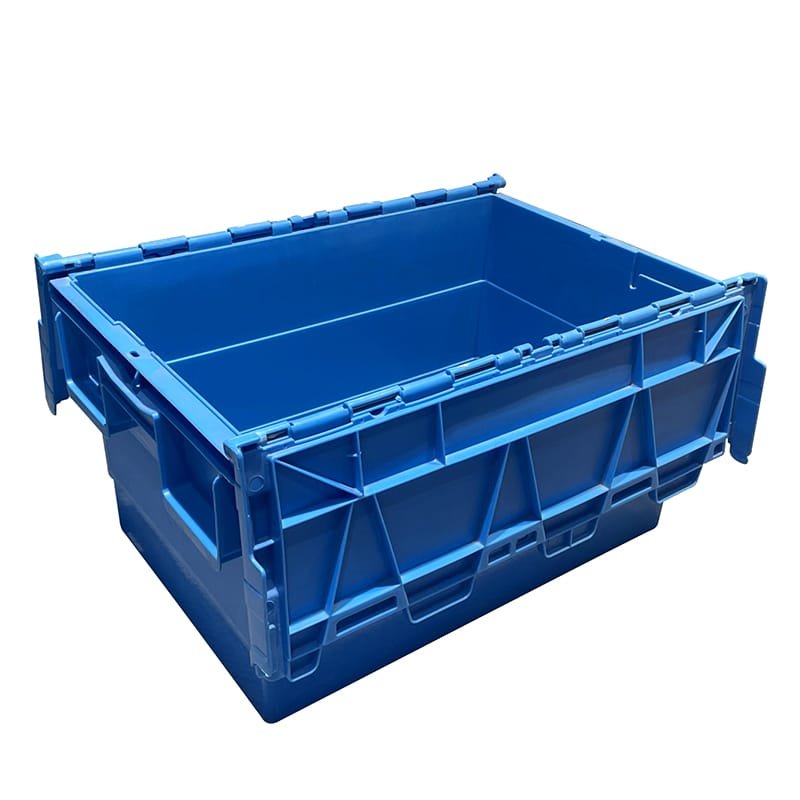
Attached Lid Container

A robust industrial container that nests seamlessly when open and locks securely when closed to prevent theft.

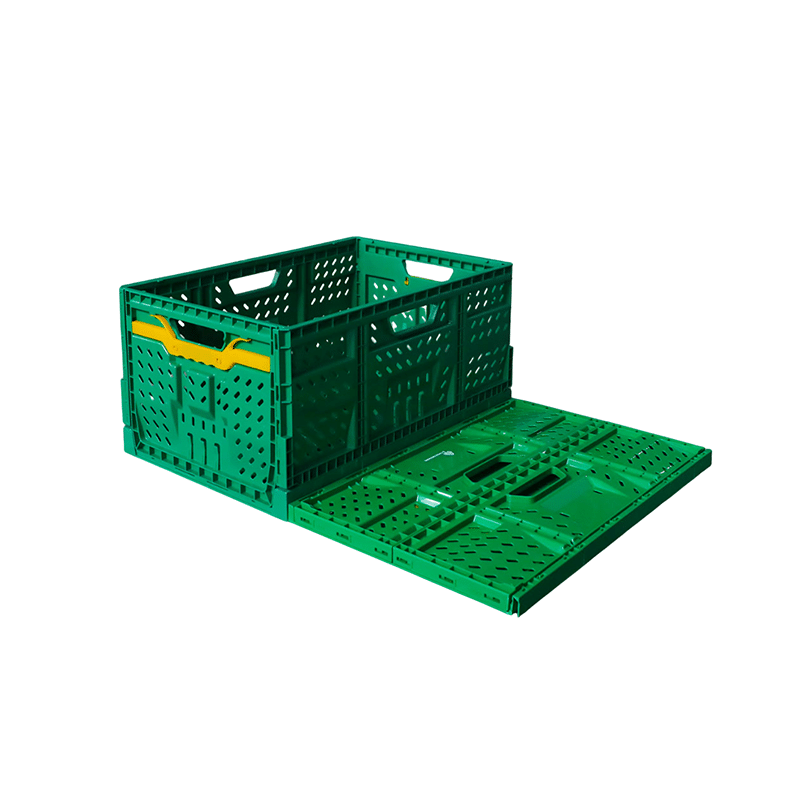
Plastic Folding Crate

An advanced collapsible variant engineered for maximum volume reduction during long-distance return shipping.

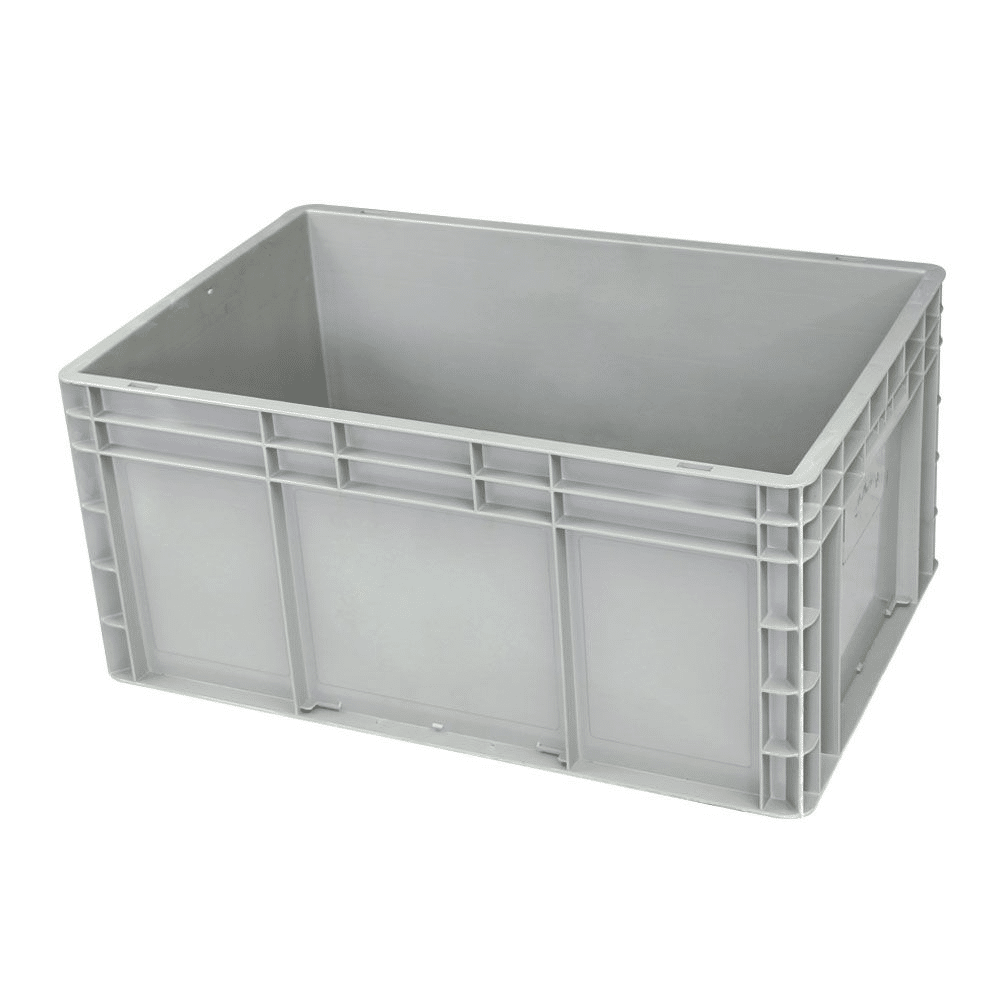
Plastic Turnover Crate

A workhorse box built specifically for fast-paced, high-frequency internal material handling routing across automated lines.

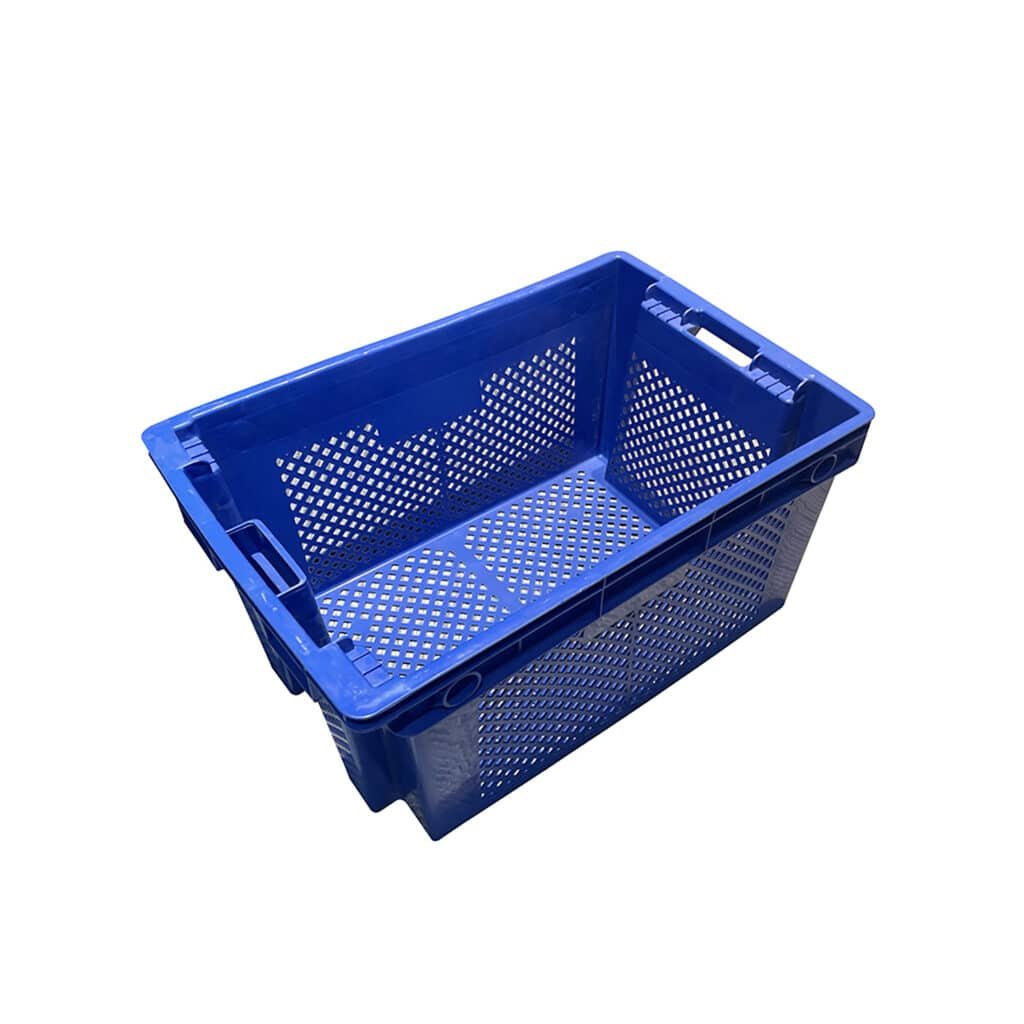
Plastic Nestable Crates

Tapered wall containers designed to nest perfectly inside each other when empty to save warehouse floor space.

Need ENLIGHTENING to Help You Select Your Cold Chain Food Crates?

Contact us today and let our enterprise supply chain specialists configure the exact dimensions, weight capacities, and material specifications required for your cold chain operation.

Material Specifications & Performance Metrics

Our cold chain food crates are engineered using premium-grade polymers tailored for the rigorous demands of food processing and low-temperature shipping.

Performance AttributeTechnical Specification / Standard
Material CompositionVirgin High-Density Polyethylene (HDPE) / Polypropylene (PP)
Impact ResistanceHigh-velocity drop test certified; structural reinforcement ribs
UV ResistanceUV-stabilized formulation preventing polymer degradation under sunlight
Corrosion Resistance100% resistant to acids, oils, solvents, and chemical sanitizers
Food Grade OptionFDA compliant food grade plastic bucket principles applied to all food-contact surfaces
Anti-Static OptionAvailable surface resistivity of $10^6$ to $10^9$ ohms for automated lines
Temperature ResistanceOperates continuously from -40°C to +70°C
Load CapacityDynamic load up to 50 kg; Static stacking load up to 250 kg


Buyer’s Guide: How to Choose the Right Cold Chain Food Crates?

Selecting the proper logistics container requires balancing environmental stressors with your specific operational workflow.

Selection VectorOperational Criteria & Guidelines
ApplicationMatch with specific food groups (e.g., ventilated walls for fresh produce, solid walls for liquids/meat)
CapacityRanging from small 15-liter distribution totes to large 60-liter harvest crates
Load RequirementAssess dynamic handling weights versus vertical static warehouse stacking heights
TemperatureDetermine blast freezing requirements (-40°C) versus standard chilled storage (2°C to 4°C)
Storage MethodCompatibility with standard pallet racking, automated storage and retrieval systems (ASRS), or floor stacking
Design StyleChoose stackable plastic crates for fixed loops, or collapsible plastic crates for space saving
Compliance GradeMust verify food safe plastic buckets and crate certificates for direct food contact
Use EnvironmentIndoor automated processing plants versus rugged, high-UV outdoor agricultural fields


What is a Cold Chain Food Crate? An Expert Industry Guide

Key Takeaways

  • Thermal Stability: Investing in virgin HDPE avoids structural cracking during rapid blast-freezing operations.

  • Hygienic Design: Smooth, rounded internal profiles drastically reduce sanitation labor costs and satisfy global food safety regulations.

  • Pallet Optimization: Standardized Euro-sizes improve palletization efficiency, reducing freight costs by maximizing truck bed volume.

  • Sustainability Returns: Switching from single-use packaging to returnable plastic alternatives yields a positive ROI within 18 months.

Understanding the Role of Material Science in Sub-Zero Supply Chains

The foundational success of any cold chain logistics operation hinges entirely on the material science of its transport assets. When plastics are exposed to extreme cold, their molecular structures contract, making standard polymers highly brittle and prone to shattering under stress.

Our material formulations utilize premium virgin HDPE (High-Density Polyethylene) blended with advanced impact co-polymers. This chemical engineering ensures that the containers maintain high structural elasticity and structural memory even when subjected to mechanical shocks at -40°C.

Furthermore, for applications involving heavy automated conveying, we offer specialized PP (Polypropylene) options optimized for high tensile strength and minimal deflection under load.

TIP: Always verify that your container manufacturer uses virgin resins rather than unverified recycled plastics, as recycled blends often crack under rapid freezing cycles due to inconsistent polymer chain lengths.

Optimizing Airflow and Thermal Exchange Rates

A critical mistake in chilled food logistics is ignoring the relationship between container design and thermodynamics. Perishable items like fresh fruits, vegetables, and processed meats generate ambient heat or require rapid heat extraction during blast chilling.
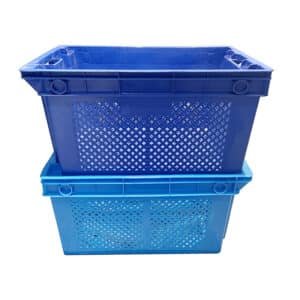
Perforated vs. Solid Wall Configurations

  • Ventilated Designs: Feature precision-engineered slotted walls and bases. This design maximizes horizontal and vertical airflow, drastically reducing the time required to cool food products in blast chillers.

  • Solid-Wall Designs: Prevent moisture leakage and cross-contamination. These are highly favored in raw meat, poultry, and seafood processing where fluids must be contained.

Crate StyleIdeal ApplicationsCooling EfficiencyFluid Containment
VentilatedFresh fruits, vegetables, flowers, blast-chilled dairyExcellent (Fast thermal transfer)None
Solid WallRaw seafood, poultry, liquid egg processing, frozen meatModerate (Insulated effect)100% Leak-proof

Enhancing Sanitation Workflows and Regulatory Compliance

Food safety audits are increasingly stringent worldwide. Transport containers must be engineered to withstand rigorous chemical washdowns without degrading or trapping biological residue.
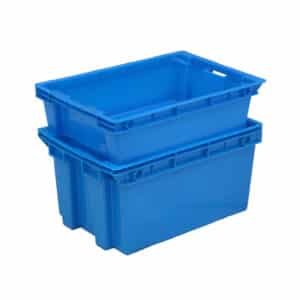
Our cold chain food crates feature entirely radiused internal corners, eliminating sharp 90-degree angles where organic debris and moisture can collect. This open-profile design allows automated industrial washers to clean every square millimeter of the surface easily.

Furthermore, the materials are resistant to aggressive caustic cleaning agents and chlorinated sanitizers, ensuring your fleet remains compliant with FDA, HACCP, and global sanitation standards over thousands of reuse cycles.

TIP: Integrating a color-coded crate system within your facility drastically reduces cross-contamination risks between raw handling zones and ready-to-eat packaging lines.

Maximizing Volumetric Efficiency in Freight and Warehousing

Space is money, particularly in temperature-controlled environments where operating costs per square meter are exceptionally high. Logistics managers must choose a container footprint that maximizes both warehouse storage cubes and truck loading layouts.

Overcoming the Challenges of Return Logistics

One of the highest hidden costs in a closed-loop supply chain is the transport of empty containers. To solve this, advanced logistics setups utilize specific container geometries:

  1. Straight-Wall Stacking: Provides maximum internal volume and unmatched vertical stacking stability on pallets.

  2. Nestable/Tapered Designs: Allow empty crates to slide inside one another when rotated 180 degrees, freeing up to 75% of empty storage space during return transit.

  3. Collapsible Designs: Offer the highest space-saving ratio, folding completely flat when not in use to optimize tight warehouse footprints.

Driving Down Total Cost of Ownership (TCO) with Returnable Assets

While corrugated cardboard boxes or low-grade plastic bins may seem cost-effective initially, their lifetime cost per trip is incredibly high due to crushing, moisture damage, and frequent replacements.

Lifecycle Cost Comparison over 3 Years

Industrial-grade cold chain crates are built to endure a minimum of 5 to 10 years of continuous commercial use. When calculated over hundreds of transport loops, the cost per trip drops to fractions of a cent.

Additionally, protecting your products from crushing damage reduces costly food waste insurance claims, instantly protecting your bottom-line profit margins.

Table of Contents
Get Our Best Quotation

cold chain food crates FAQS

What makes cold chain food crates different from standard plastic storage crates?

Cold chain food crates are manufactured using specialized virgin HDPE or high-impact PP resins that are specifically rated for sub-zero temperatures (down to -40°C). Standard plastic crates become brittle and crack in these environments. Additionally, cold chain crates feature FDA-compliant, non-porous surfaces designed to meet strict food safety and sanitation laws.

Ventilated crates feature strategic perforation patterns that allow chilled air to circulate directly around the food products. This maximizes thermal transfer, significantly reducing blast-chilling cycle times and lowering the overall energy consumption of your refrigeration units.

Yes. Our industrial cold chain crates are designed with reinforced bases, precise dimensional tolerances, and optimal impact points to ensure smooth operation on automated conveyor belts, robotic pickers, and automated storage/retrieval systems (ASRS).

For extreme sub-zero freezing applications (below 0°C), HDPE is highly recommended due to its exceptional low-temperature impact strength. For applications requiring high load capacities, rigidity, and resistance to high-temperature washdowns (up to 100°C) within ambient or chilled rooms, PP is often the preferred choice.

By replacing single-use corrugated boxes or low-grade plastics with returnable cold chain crates, your company eliminates substantial solid packaging waste from landfills. Because our crates are 100% recyclable at the end of their multi-year lifespan, they support a highly sustainable, circular economy model that lowers your scope 3 carbon emissions.

上部へスクロール

ENLIGHTENING respects your privacy. Your details are only used to process your request.

Send your inquiry now

Learn how ENLIGHTENING protects your data in our [Privacy Policy].