

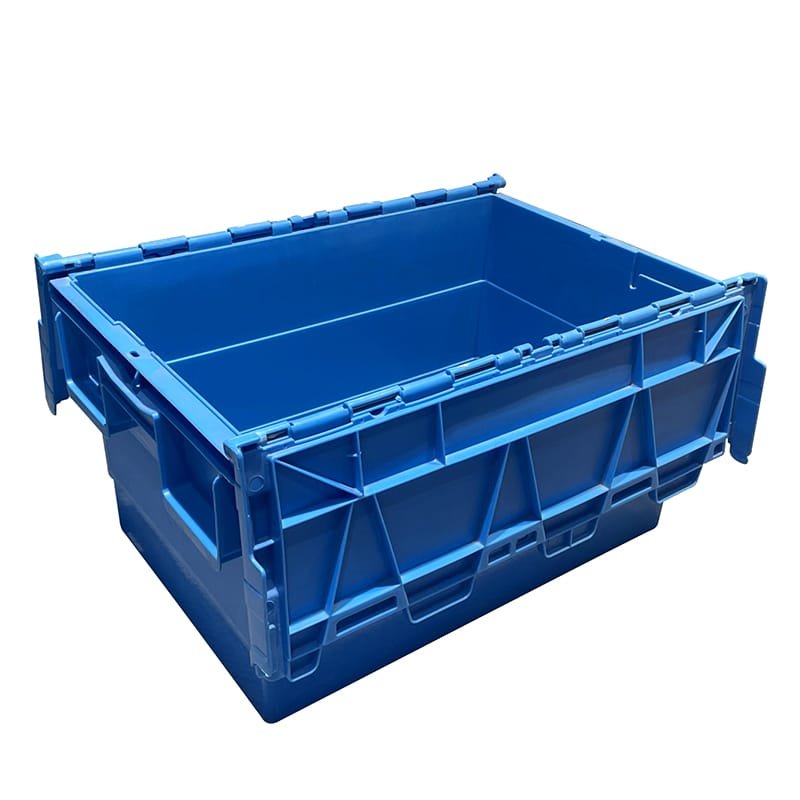
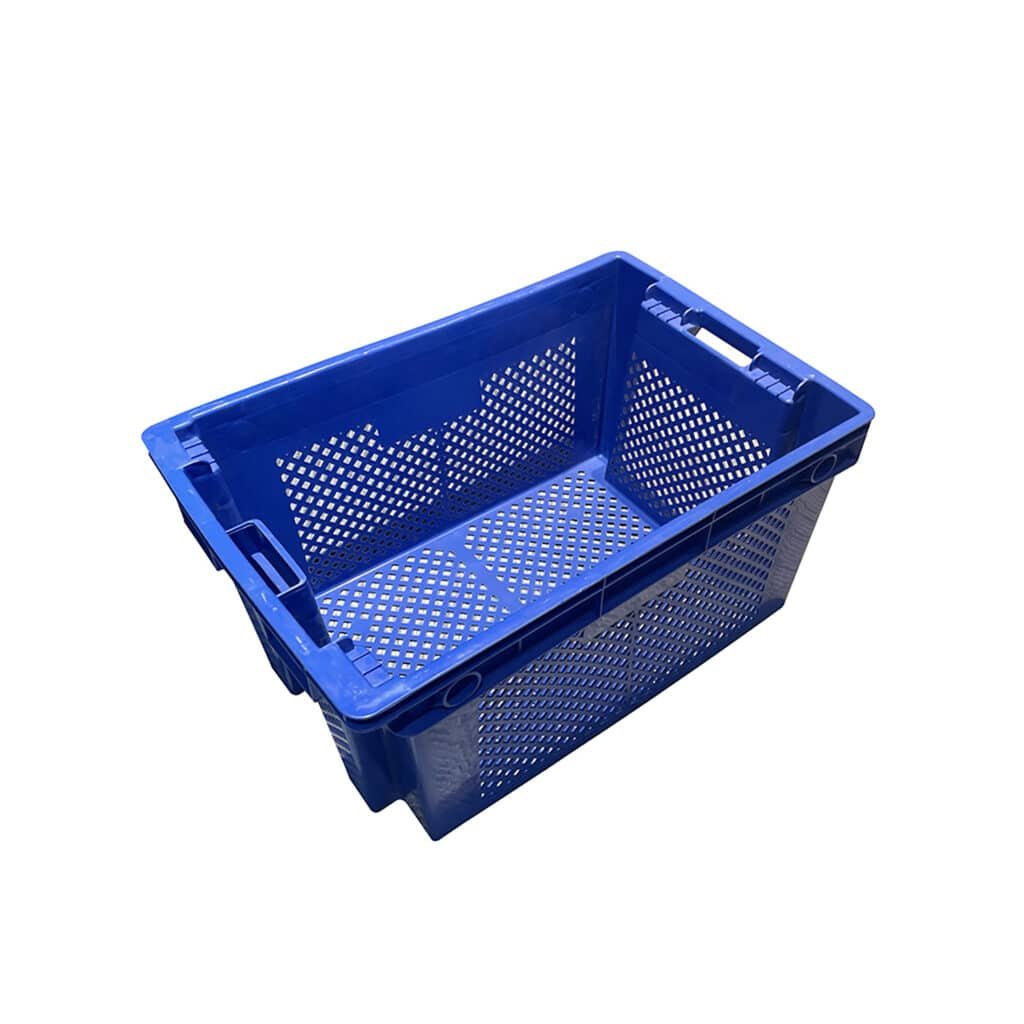
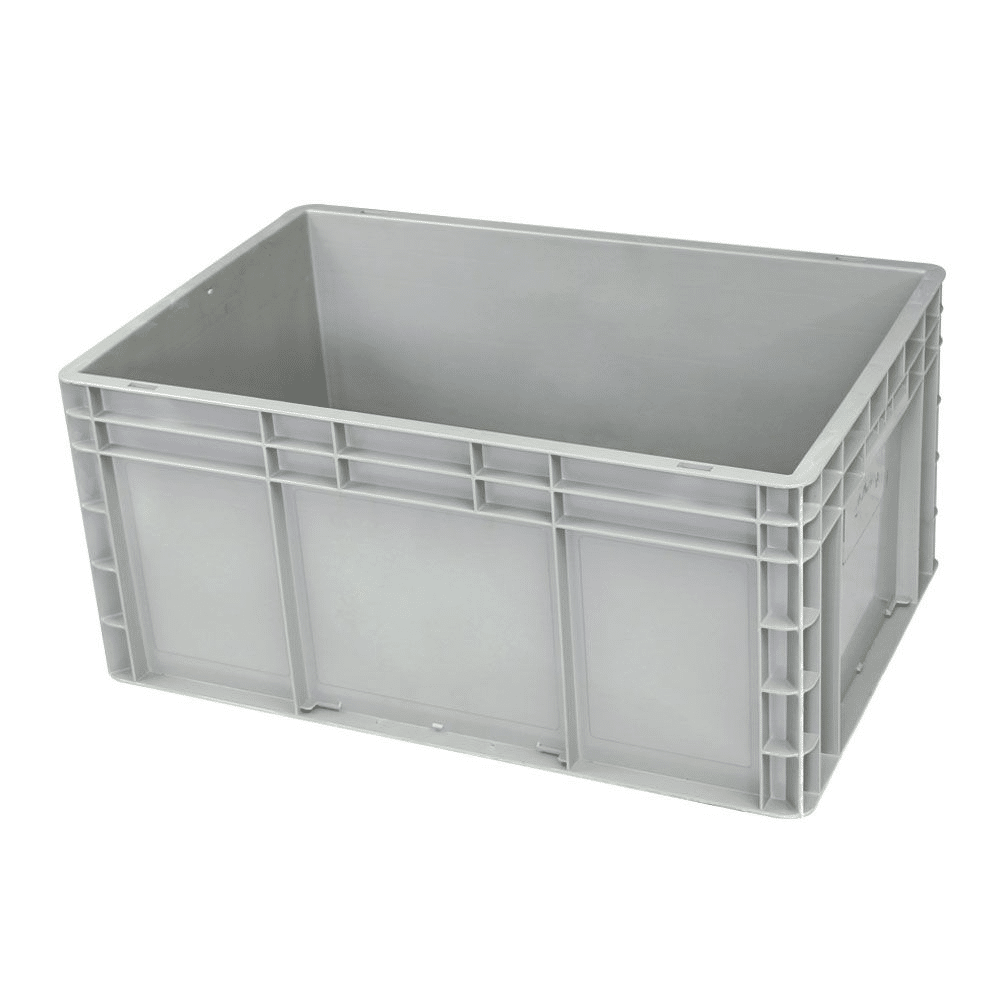

Meat seafood crates are reusable plastic containers used for storing, sorting, stacking, transporting, and returning meat, fish, seafood, poultry, frozen food, and chilled food products. They are common in meat processing plants, seafood factories, fish markets, cold storage warehouses, supermarkets, restaurant supply chains, and food distribution centers.
Good meat seafood crates must handle moisture, low temperature, impact, washing, stacking pressure, and daily movement. For buyers, the right crate is not only a container. It affects product hygiene, handling speed, cold chain safety, labor efficiency, and long-term packaging cost.
Key Takeaways
- Meat seafood crates are built for wet, cold, and high-turnover food handling.
- PP and HDPE are the main materials for reusable meat seafood crates.
- HDPE is often better for cold rooms, fishery use, and rough delivery routes.
- Stackable crates suit loaded storage and transport.
- Food-grade material, easy washing, and smooth surfaces matter in meat and seafood use.
- Drainage, ventilation, and reinforced corners should match the real working scene.
TIP: Before choosing meat seafood crates, confirm the product weight, ice use, liquid drainage, cold room temperature, cleaning method, and stacking height.
Why Do Food Companies Use Plastic Meat Seafood Crates?
Meat and seafood products are sensitive to temperature, moisture, odor, and contamination risk. They also move through many handling points before reaching the final buyer. Raw material may go from receiving areas to cutting tables, chilling rooms, packing lines, warehouses, trucks, supermarkets, and restaurants.
Meat seafood crates help make this movement cleaner and more organized.
Main benefits include:
- Better handling in wet and cold areas
- Cleaner storage than paper cartons in damp environments
- Stronger stacking for chilled and frozen goods
- Easier washing after meat or seafood contact
- Better sorting by product type, batch, or delivery route
- Reusable structure for daily distribution systems
- Lower breakage and replacement cost over time
For food plants that need direct food-area handling, food grade plastic crates are often a better choice than general industrial crates.
Where Are Meat Seafood Crates Used?
Meat seafood crates are used across the full cold-chain and food handling process. Different users may need different crate depths, wall structures, drainage designs, and materials.
| Use Area | Common Requirement |
|---|---|
| Meat Processing Plant | Clean handling, batch sorting, strong stacking, easy washing |
| Seafood Factory | Moisture resistance, drainage, impact strength, cold tolerance |
| Fish Market | Fast sorting, wet-floor use, ice handling, repeated washing |
| Cold Storage Warehouse | Stable stacking, low-temperature performance, pallet loading |
| Frozen Food Distribution | Strong structure, cold resistance, truck loading stability |
| Supermarket Supply Chain | Easy counting, route sorting, clean reusable packaging |
| Restaurant and Catering Supply | Durable crates for daily chilled food delivery |
For chilled and frozen supply chains, cold chain food crates can support stable product movement from storage to transport.
What Structure Should Meat Seafood Crates Have?
A good meat seafood crate should match the product and handling process. Meat cuts, packed seafood, iced fish, shrimp, poultry, and frozen packs all have different needs.
Key structure points include:
- Reinforced corners: help the crate handle stacking pressure.
- Strong bottom ribs: support heavy meat, fish, ice, and packed goods.
- Smooth inner walls: make cleaning easier and reduce residue buildup.
- Ventilated or perforated sides: support air flow and faster draining.
- Solid walls: help contain liquid when drainage is not allowed.
- Comfortable handles: make manual handling safer and faster.
- Stacking locks: help loaded crates stay aligned in cold rooms and trucks.
For seafood use, drainage is often important. For meat processing, a smooth and easy-clean crate surface may matter more. Buyers should choose the structure based on real operation, not just product photos.
TIP: Do not choose meat seafood crates only by outside size. Internal dimensions, wall style, bottom strength, and drainage design decide real performance.
Solid or Ventilated: Which Crate Type Works Better?
Both solid and ventilated meat seafood crates can be correct. The best choice depends on whether the product releases liquid, needs air flow, or must keep melted ice inside the crate.
| Crate Type | Best For | Buyer Note |
|---|---|---|
| Solid Crate | Meat cuts, packed meat, products with liquid control needs | Helps contain drip and keeps floors cleaner |
| Ventilated Crate | Seafood, fish, shellfish, chilled packs, air-flow storage | Supports drainage and cold air circulation |
| Perforated Bottom Crate | Washed seafood, iced fish, draining process | Good for water release, but check floor hygiene needs |
| Closed Container | Higher protection, closed-loop delivery, covered transport | Better when product needs dust or handling protection |
For seafood draining, drying, or sorting, Plastic Drying Tray may also fit specific processing needs.
PP or HDPE: Which Material Is Better?
PP and HDPE are both used for meat seafood crates. The right material depends on temperature, impact, stiffness, and washing frequency.
| Material | Best Use | Main Advantage |
|---|---|---|
| PP | Standard chilled handling, rigid stacking, clean indoor use | Good stiffness and stable shape |
| HDPE | Cold rooms, seafood handling, rough delivery, impact-heavy use | Better toughness and low-temperature impact resistance |
| PE | Special flexible packaging needs | Less common for rigid food crates |
PP is often selected for food plants that need firm stacking and stable shape. HDPE is often better for seafood, cold rooms, ports, wet markets, and rough delivery routes.
For buyers needing strong cold-chain performance, HDPE plastic crates are worth considering because HDPE handles impact and lower temperatures better in many food logistics scenes.
How Much Weight Can Meat Seafood Crates Hold?
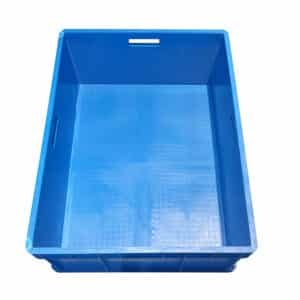
Load capacity depends on crate size, material, wall thickness, bottom design, product type, ice use, and stacking height. Many meat seafood crates are designed for about 15–30 kg per crate, but the real load should always be confirmed by the supplier’s product data.
A simple load check:
| Check Point | Example |
|---|---|
| Product Weight | Meat cuts, packed seafood, fish, or frozen food weight |
| Ice Weight | Seafood crates may carry extra ice or water |
| Crate Weight | The crate’s own weight adds to manual handling load |
| Stack Height | Higher stacking creates more pressure on lower crates |
| Transport Stress | Truck vibration increases stress during delivery |
| Handling Method | Manual lifting, pallet loading, and forklift movement create different demands |
Buyers should not only ask “how much can one crate hold.” They should also ask how many loaded crates can be stacked safely in cold storage or trucks.
How Do Meat Seafood Crates Support Cold Chain Handling?
Cold chain handling is not only about low temperature. It also includes stable movement, clean storage, fast loading, and reduced product damage.
Meat seafood crates support cold chain handling in several ways:
- Plastic material resists moisture and cold room humidity.
- Ventilated designs can improve cold air movement.
- Rigid walls help protect packed food from crushing.
- Stackable structures help save floor space.
- Smooth surfaces make cleaning faster after daily use.
- HDPE options help handle impact in colder environments.
For low-temperature food logistics, temperature resistant plastic crates can help buyers compare material and structure options more clearly.
TIP: In cold rooms, impact resistance matters more than many buyers expect. Plastic can become less flexible at low temperatures, so material choice is important.
Why Hygiene Matters in Meat and Seafood Crates
Meat and seafood handling has higher hygiene pressure than many other industrial applications. Crates may contact raw food, cold surfaces, water, ice, blood, seafood residue, and cleaning agents. Poor crate design can trap residue in corners or make washing harder.
Good meat seafood crates should have:
- Smooth inner surfaces
- Easy-clean bottom design
- Limited dirt-trapping corners
- Food-grade material option
- Moisture-resistant plastic structure
- Drainage or liquid-control design as needed
- Stable color coding for process separation
- Strong material that can handle repeated washing
Color coding is especially useful in food plants. A processor may use different crate colors for raw meat, cooked products, seafood, frozen packs, or different production areas. This helps reduce handling mistakes.
Can Meat Seafood Crates Be Used with Ice?
Yes, meat seafood crates can be used with ice, but the structure must match the process. Seafood crates often need drainage holes because melted ice and water must leave the crate. Some meat applications may need solid walls to control liquid and keep work areas cleaner.
Before ordering crates for ice use, check:
- Whether water should drain or stay contained
- Whether the bottom has enough strength for fish and ice
- Whether the crate works in cold rooms
- Whether the crate can be washed after use
- Whether the crate needs a smooth inner surface
- Whether stacking remains stable when wet
For fishery and seafood operations, fishery ice plastic crates can support handling where ice, water, and low temperature are part of daily use.
Are Meat Seafood Crates Suitable for Reuse?
Yes. Reusable meat seafood crates are common in food processing and distribution because they can be washed and used many times. This makes them suitable for closed-loop logistics between plants, warehouses, markets, retailers, and restaurants.
A reusable crate system usually includes:
- Product loading
- Cold storage
- Truck delivery
- Customer unloading
- Empty crate collection
- Washing and drying
- Return to production or warehouse use
Reusable meat seafood crates reduce the need for single-use cartons. They also help companies manage food handling in a more organized way. The key is to choose a crate strong enough for repeated movement and easy enough to clean after each cycle.
For regular warehouse movement, Plastic Turnover Crate is a practical structure for daily food handling and internal product transfer.
What Should Buyers Confirm Before Bulk Orders?
Before buying meat seafood crates, buyers should prepare real working data. This helps the factory recommend the right size, structure, and material.
| Buyer Check | Why It Matters |
|---|---|
| Product Type | Meat, fish, shrimp, shellfish, poultry, frozen packs, or prepared food |
| Product Weight | Decides load and bottom strength |
| Ice or Water Use | Decides drainage or solid wall design |
| Temperature | Helps choose PP or HDPE |
| Stack Height | Affects wall and corner strength |
| Washing Method | Confirms material and heat resistance needs |
| Food-Grade Requirement | Confirms material selection before production |
| Return Cycle | Decides durability and empty return structure |
| Outdoor Storage | Confirms UV additive need |
| Color Coding | Helps food plants manage sorting and hygiene zones |
For heavier handling, heavy duty plastic crates may be more suitable than lightweight standard crates.
Can Meat Seafood Crates Be Customized?
Yes. Meat seafood crates can be customized by size, color, wall type, bottom design, logo, drainage structure, handle style, material formula, and stacking design.
Common customization options include:
- Custom external and internal size
- Solid or ventilated wall design
- Drainage holes for seafood and ice
- Reinforced bottom for heavy loads
- Food-grade PP or HDPE material
- Custom color for process control
- Molded logo or brand marking
- Label area or barcode area
- UV-resistant material for outdoor use
- Stackable, nestable, or folding structure
Custom meat seafood crates are useful when standard crates do not fit your product, cold room, washing system, or delivery route.
How Can ENLIGHTENING Support Your Project?
ENLIGHTENING helps meat processors, seafood companies, frozen food suppliers, and cold-chain distributors choose meat seafood crates based on real handling conditions. We review product type, load weight, temperature, moisture, drainage, stacking height, washing method, and return logistics before recommending a structure.
We can support:
- Existing mold selection
- Custom size development
- PP and HDPE material recommendation
- Solid or ventilated design advice
- Food-grade material option
- Color and logo customization
- Sample confirmation
- Bulk production planning
- Export packing support
For buyers who handle wet, cold, and heavy food products every day, the right meat seafood crates can reduce handling issues before they become expensive.
Final Buying Advice
Meat seafood crates should be selected by real use conditions, not only by price or outside size. A weak crate may break in cold rooms, deform during stacking, trap residue after washing, or fail during wet-floor handling.
The right meat seafood crates should match your product weight, moisture level, cold storage temperature, drainage needs, washing process, stacking height, and return cycle. For long-term use, material quality and structure design matter more than small unit price differences.
ENLIGHTENING supplies standard and custom meat seafood crates for meat plants, seafood processors, cold storage warehouses, food wholesalers, and returnable cold-chain logistics.