


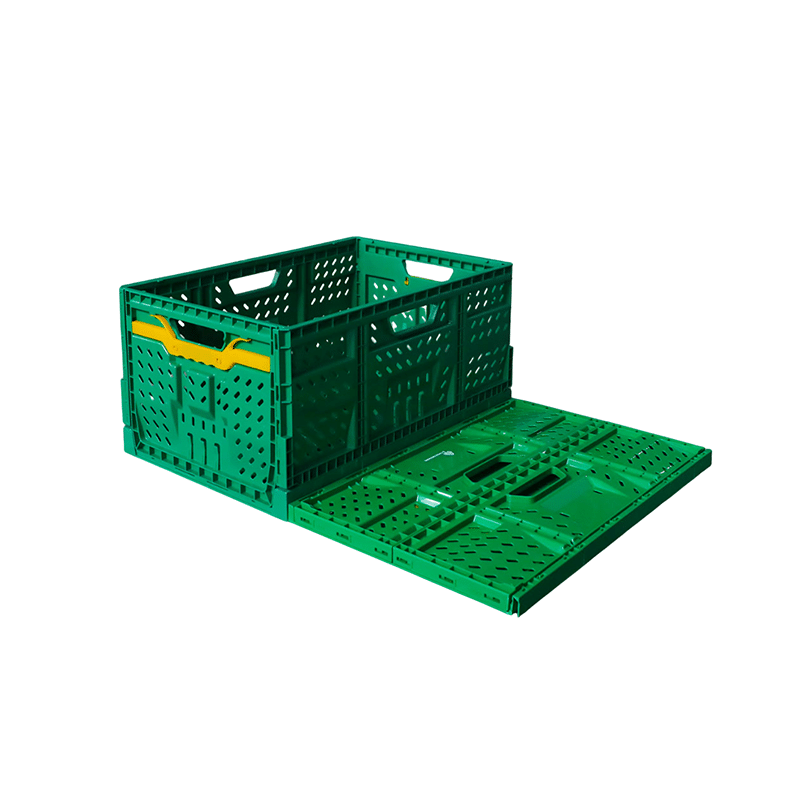
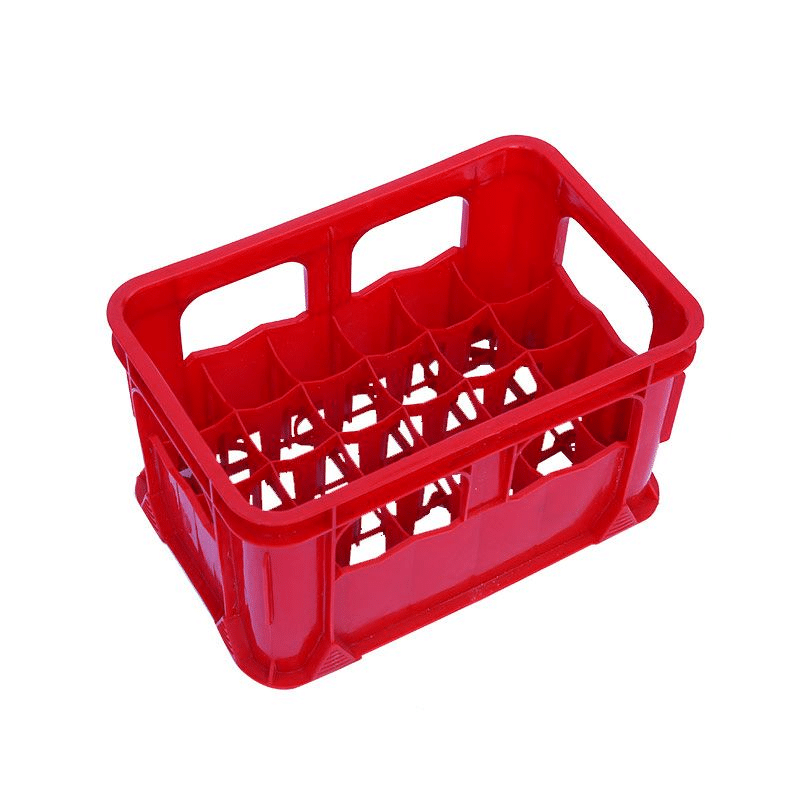

Bread baskets are reusable plastic containers designed for handling, storing, stacking, and transporting bread and bakery products. For bakeries, distributors, supermarkets, and food service companies, bread baskets help protect soft products, improve route delivery, reduce carton waste, and keep daily operations more organized.
ENLIGHTENING supplies bread baskets for B2B buyers who need stable quality, bulk production, custom colors, food-grade options, and factory-direct support. The right bread baskets can improve bakery workflow from production to final delivery.
Key Takeaways
- Bread baskets help protect bread from crushing during storage, picking, and delivery.
- Ventilated walls support airflow, which is useful after baking and before packing.
- Stackable bread baskets improve truck loading and warehouse space use.
- Nestable or collapsible options reduce empty return volume.
- Food-grade material is important when baskets contact unpacked bread.
- Standard sizes make route delivery, counting, and order separation easier.
- ENLIGHTENING can help match basket size, material, color, structure, and load capacity to your bakery operation.
TIP: Before ordering bread baskets in bulk, prepare your bread size, daily output, stacking height, truck loading method, and cleaning process. These details help the factory recommend the correct design.
What Are Bread Baskets Used For?
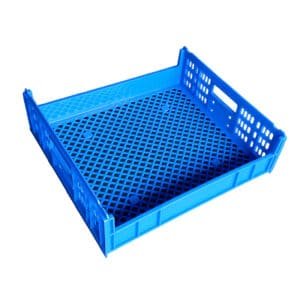
Bread baskets are used to move bakery products through production, storage, delivery, and retail handling. They are common in commercial bakeries, bread factories, supermarket supply chains, hotels, catering companies, and wholesale food distribution.
Typical uses include:
- Moving bread from cooling areas to packing lines
- Holding toast, buns, rolls, baguettes, and packaged bakery products
- Separating orders by customer, store, route, or SKU
- Stacking bread safely during warehouse storage
- Loading bakery products into delivery trucks
- Returning empty baskets for the next delivery cycle
- Keeping bakery handling cleaner than loose cartons or mixed containers
For high-frequency bakery operations, bread baskets are not just containers. They are part of the daily logistics system.
Why Plastic Bread Baskets Are Common in Bakery Supply Chains
Plastic bread baskets are widely used because they are reusable, washable, stackable, and easier to standardize. Compared with paper cartons, plastic bread baskets can handle repeated loading and return cycles. Compared with metal containers, they are lighter, quieter, and easier to handle manually.
For business buyers, plastic bread baskets offer several practical benefits:
- Lower long-term packaging cost through repeated use
- Better product protection during stacking and delivery
- Cleaner handling after washing and drying
- More stable warehouse planning with standard dimensions
- Faster order picking with color or size separation
- Less waste compared with disposable packaging
In bakery distribution, small handling improvements can save time every day. A standard bread basket system helps workers load faster, count faster, and return empty containers more easily.
Which Businesses Need Bread Baskets?
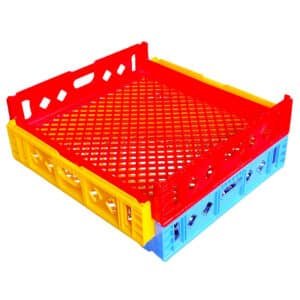
Bread baskets are suitable for companies that handle bakery products in bulk or move them every day. The need is strongest when products are soft, fresh, fragile, or delivered through repeated routes.
| Business Type | Why They Use Bread Baskets |
|---|---|
| Commercial bakeries | Move fresh bread between production, cooling, packing, and dispatch. |
| Bread wholesalers | Stack and transport large daily orders to shops and supermarkets. |
| Supermarket chains | Receive bakery products in reusable containers and manage backroom stock. |
| Food service suppliers | Deliver bread, buns, and bakery items to hotels, restaurants, and caterers. |
| Bakery distributors | Use returnable bread baskets for route delivery and customer separation. |
| Central kitchens | Store and move bakery goods before meal preparation or service. |
Bread baskets work best when the buyer needs repeated use, clean handling, and fast distribution.
What Makes A Good Bread Basket?
A good bread basket should protect the product, support stacking, allow airflow, and survive daily handling. The best design depends on the bread type and operation method.
Important design points include:
- Ventilated sidewalls for airflow and heat release
- Smooth inner surfaces to reduce product damage
- Rounded edges for safer manual handling
- Reinforced corners for stacking strength
- Stable base design for conveyor, rack, or truck use
- Easy-clean structure to reduce residue buildup
- Consistent dimensions for repeated stacking and route planning
TIP: For soft bread, do not only check basket load capacity. Check basket depth, inner wall smoothness, stacking clearance, and how much pressure the upper basket puts on the lower basket.
Bread Basket Structure Options
Bread baskets can be designed in different structures depending on space, handling, and delivery needs.
| Structure | Best Use | Buyer Focus |
|---|---|---|
| Stackable bread baskets | Full-load storage and delivery | Strong stacking, stable corners, consistent height |
| Nestable bread baskets | Empty return and space saving | Lower return transport volume |
| Collapsible bread baskets | Seasonal or space-limited operations | Folded storage after delivery |
| Ventilated bread baskets | Fresh bakery goods and cooling | Airflow, heat release, crumb control |
| Shallow bread trays | Toast, flat bread, buns, pastries | Less pressure on soft products |
| Deeper bakery crates | Packaged bread and mixed bakery goods | Higher volume per basket |
For bakeries with daily route delivery, stackable bread baskets are often the most direct choice. For distributors with high empty return cost, nestable or folding options can reduce transport waste.
Material Choices for Bread Baskets
Most commercial bread baskets use PP or HDPE. Both materials can work well, but the right choice depends on impact, temperature, flexibility, and cleaning needs.
PP bread baskets usually offer good rigidity, clean molding, and stable stacking. They are suitable for bakery storage, supermarket delivery, and indoor handling.
HDPE bread baskets usually offer stronger impact resistance and better performance in rough transport conditions. They are useful for returnable logistics, outdoor loading areas, and cold-chain handling.
PE options can be used when flexibility or cold-temperature performance matters more than rigid stacking.
For food contact or near-food handling, buyers should request food-grade material options and related documentation from the supplier.
Common Size and Capacity Considerations
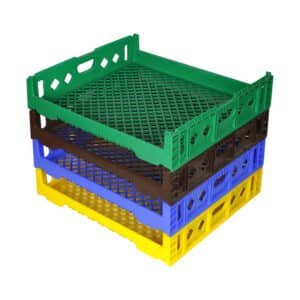
Bread baskets should match the product size first. A basket that is too deep can increase pressure on soft bread. A basket that is too shallow may reduce loading efficiency. A basket that is too large may waste truck and storage space.
| Product Type | Suggested Basket Style | Key Concern |
|---|---|---|
| Toast bread | Shallow stackable basket | Avoid side pressure and crushing. |
| Buns and rolls | Ventilated basket | Keep products separated and easy to pick. |
| Baguettes | Longer basket or tray | Match product length. |
| Packaged bread | Medium-depth basket | Improve loading volume. |
| Pastries | Shallow tray | Protect shape and surface. |
| Mixed bakery goods | Standard stackable crate | Support sorting and route picking. |
The best size depends on your bread dimensions, pack count, route order quantity, and truck loading plan.
TIP: Ask your team how many pieces they currently load per carton or tray. That number helps convert your existing workflow into a proper bread basket specification.
Why Ventilation Matters
Fresh bakery products often need airflow before final packing or delivery. Ventilated bread baskets help release heat and reduce moisture buildup. This can be useful in production areas, temporary holding zones, and delivery preparation.
Ventilation also helps with cleaning and drying. Open walls allow water to drain faster after washing. This matters for businesses that clean baskets daily or weekly.
However, ventilation should not weaken the basket too much. A good bread basket balances airflow with corner strength and wall stiffness.
Stackability and Product Protection
Stackability is one of the main reasons buyers choose plastic bread baskets. Proper stacking improves warehouse space use and truck loading efficiency. It also helps workers move more products in one trip.
A stackable bread basket should have:
- Strong corner support
- Stable rim design
- Good bottom contact
- Consistent height tolerance
- Smooth inner wall structure
- Enough clearance above the bread
If the basket stacks too tightly against the product, bread can be pressed or deformed. If it stacks too loosely, the load may shift during transport.
Good bread baskets protect both the product and the handling process.
Nestable and Collapsible Bread Baskets
Empty return volume is a major cost in bakery logistics. After delivery, empty bread baskets must return to the bakery, warehouse, or distribution center. If the baskets only stack at full height when empty, they occupy more truck and storage space.
Nestable bread baskets reduce empty volume by sliding into each other. Collapsible bread baskets fold down after use. Both options help when return logistics is expensive or space is limited.
Choose nestable or collapsible designs when:
- Delivery routes return many empty baskets
- Storage space is limited
- The business has seasonal order peaks
- Empty container transport cost is high
- Retail stores need easier backroom storage
For heavy daily bakery distribution, fixed stackable bread baskets may still offer better long-term strength. The choice depends on your workflow.
Cleaning and Hygiene
Bread baskets should be easy to clean because bakery environments create crumbs, flour dust, oil residue, and moisture. Smooth plastic surfaces help workers wash and dry baskets faster.
For better hygiene, buyers should consider:
- Smooth inside surfaces
- Rounded corners
- Fewer dirt-trapping gaps
- Proper drainage after washing
- Food-grade material options
- Color coding for different product zones
- Regular inspection for cracks or damage
Damaged baskets should be removed from food handling because cracks can collect residue and become harder to clean.
TIP: If your bread baskets will touch unpacked bread, choose a design with smoother inner surfaces and request food-grade material confirmation before mass production.
Indoor, Outdoor, and Cold-Chain Use
Not all bread baskets work in the same environment. Indoor bakery handling is different from outdoor truck loading or cold storage.
For indoor use, focus on clean surfaces, easy stacking, and stable handling.
For outdoor use, consider UV resistance, impact strength, and color stability.
For cold-chain use, choose material that can handle low temperatures without becoming brittle.
For hot bakery areas, avoid placing plastic bread baskets too close to direct heat sources. Bread baskets are useful for cooling and handling, but they should not be used as baking trays unless the material and temperature rating are specifically designed for that purpose.
Color Customization and Order Control
Color is useful in bakery logistics. It helps workers separate product types, routes, customers, production dates, or hygiene zones. ENLIGHTENING can support custom color options for bulk bread basket orders.
Common color uses include:
- Blue for general bakery handling
- Red for returnable route delivery
- Green for retail replenishment
- Yellow for special product lines
- Gray for warehouse storage
- Custom brand colors for distributors
Color coding reduces mistakes during busy production and dispatch hours.
Logo and Branding Options
For distributors, wholesalers, and bakery chains, logo customization can protect assets and improve brand visibility. Bread baskets are often used in closed-loop systems, so clear branding helps prevent loss.
Possible branding options include:
- Screen printing
- Embossed logo
- Molded logo area
- Serial number marking
- Color-coded identification
- Barcode or label area
Embossed logos are useful for long-term use because they do not wear off as easily as printed marks. Printed logos are better when the buyer needs lower mold cost and faster customization.
How Bread Baskets Improve Daily Operations
Bread baskets can improve several parts of a bakery operation:
Production: Workers can move bread from cooling to packing in organized batches.
Warehouse: Standard baskets make stacking and counting easier.
Dispatch: Orders can be sorted by customer or route.
Delivery: Drivers can load and unload faster.
Retail: Stores can receive bread in clean, reusable containers.
Return: Empty baskets can go back to the bakery for the next cycle.
The main value is consistency. When every basket fits the same handling system, the whole operation becomes easier to manage.
What Should Buyers Confirm Before Bulk Orders?
Before ordering bread baskets, buyers should confirm several details with the supplier.
Prepare these points:
- Bread type and product dimensions
- Packed or unpacked handling
- Basket length, width, and height
- Required loading capacity
- Stacking height during storage and transport
- Need for nesting or folding
- Material preference: PP, HDPE, or PE
- Food-grade requirement
- Cleaning method and water temperature
- Indoor, outdoor, or cold-chain use
- Custom color and logo needs
- Order quantity and delivery schedule
These details help ENLIGHTENING recommend a bread basket structure that fits real use instead of only matching a catalog size.
Why Choose ENLIGHTENING Bread Baskets?
ENLIGHTENING supports B2B buyers with factory-direct plastic bread baskets for bakery storage, wholesale distribution, food service, and retail supply chains. The goal is not only to sell a basket, but to help buyers choose a structure that reduces handling problems.
ENLIGHTENING can help with:
- Material selection
- Basket size matching
- Stackable or nestable structure
- Food-grade options
- Custom color production
- Logo customization
- Bulk order support
- Export packing
- Distributor supply
For purchasing managers and supply chain teams, this support reduces the risk of ordering the wrong basket.
Final Buying Advice
The right bread baskets should fit your bread, workers, trucks, shelves, cleaning process, and return cycle. A cheap basket may look acceptable at first, but weak corners, poor stacking, rough inner walls, or wrong size can create daily costs.
Choose bread baskets based on real operation details. Check the product size, stacking height, cleaning method, route delivery process, and long-term replacement cost. For bakery chains, distributors, and food service suppliers, a well-matched plastic bread basket system can improve product protection and daily handling speed.
ENLIGHTENING can help you compare basket designs and prepare a suitable bulk supply plan for your bakery business.