
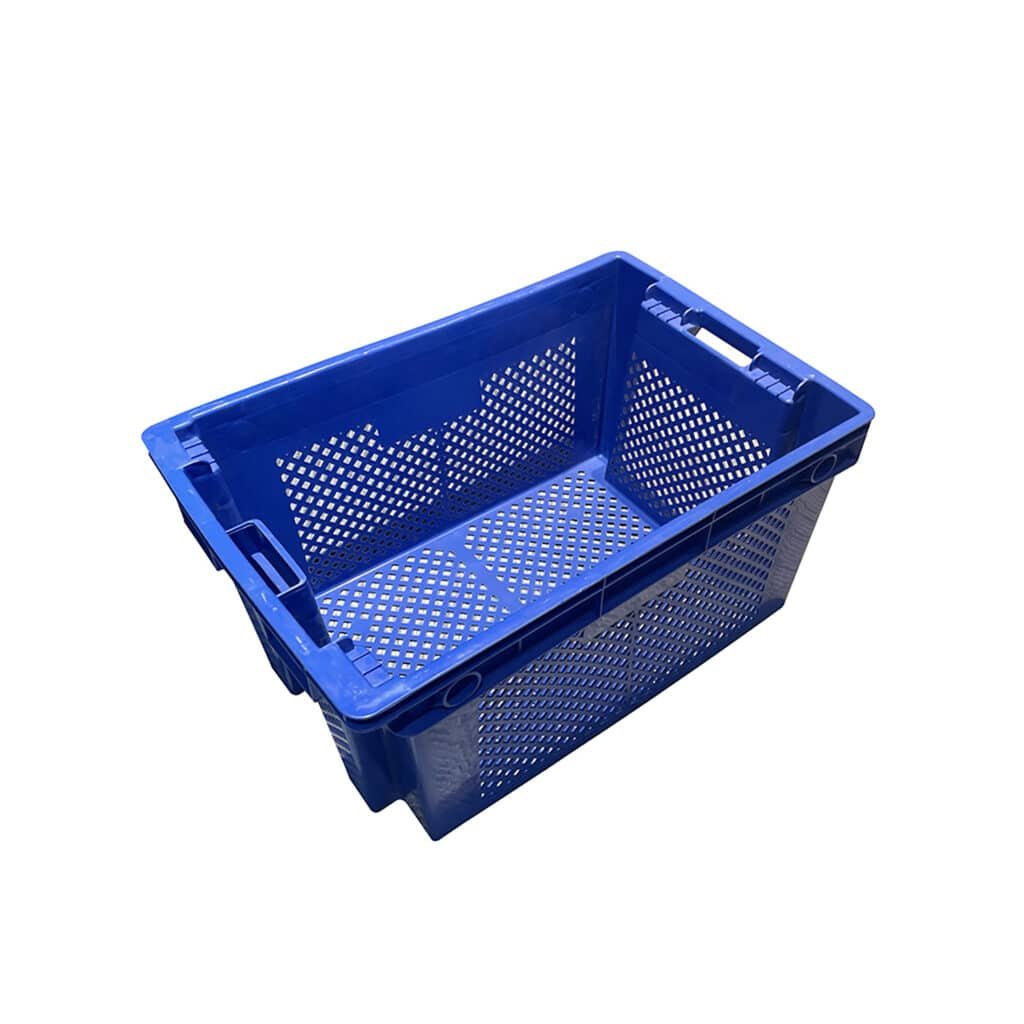
Get Our Best Quotation
ENLIGHTENING will never abuse, misuse, sell, or improperly disclose the information you submit via our forms.
ENLIGHTENING Stackable Plastic Crates | B2B Storage
Source durable heavy duty transport crates from ENLIGHTENING. Ideal for global supply chains, automated warehousing, and bulk industrial logistics.
- Unmatched Load Capacity
- Optimized Space Efficiency
- Maximum Impact Protection
Heavy Duty Transport Crates: Optimized Application Scenarios
Safely transit heavy automotive parts crates down assembly lines without structural bending.
Ideal for transporting field produce when paired with high-yield agricultural harvest plastic crates.
Move bulk inventory securely from processing plants using robust commercial bread baskets.
Perfect for distributing frozen seafood when integrated with specialized meat seafood crates.
Maintain hygiene and strict compliance rules alongside food-safe plastic containers for food processing.
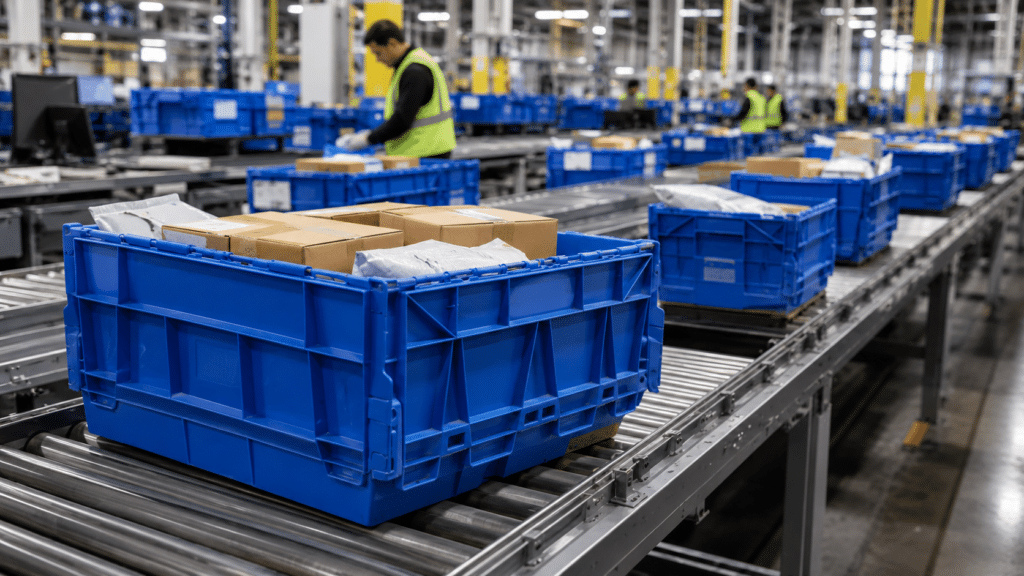
Work seamlessly with conveyors and picking systems using warehouse storage crates.
Streamline delivery from distribution hubs to storefronts utilizing retail handling crates.
Accelerate sortation and regional dispatch processes with an E-commerce shipping plastic turnover box.
Operational Pain Points Solved in Demanding Logistics
Need to eliminate product damage during rough multi-modal transit? Fragile transit infrastructure and improper loading can break weak containers. Our premium heavy duty transport crates feature ultra-thick walls to safeguard valuable materials over long hauls.
Struggling with high return-freight costs for empty logistics packaging? Transporting empty containers drains your operational budget. Switching to smarter setups like collapsible plastic crates maximizes your reverse logistics storage capacity.
Tired of frequent container cracking in extreme cold storage rooms? Sub-zero environments make standard plastics brittle. Our crates withstand rapid thermal changes, performing smoothly next to storage tubs for cold storage without fracturing.
Looking to prevent structural bowing in heavy automated racking? Weak plastic packaging bends under massive weight, triggers conveyor jams, and halts automated warehouses. Our industrial-strength bases provide rigid stability under intense vertical loads.
Recommended Products Matched to Heavy Duty Logistics
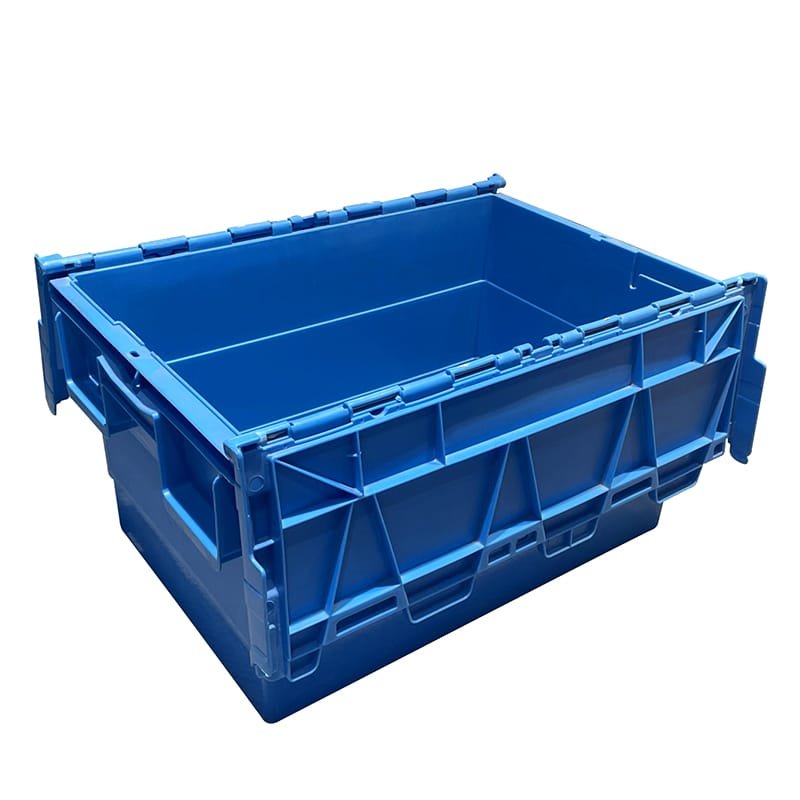
Attached Lid Container
A robust industrial container that nests seamlessly when open and locks securely when closed to prevent theft.
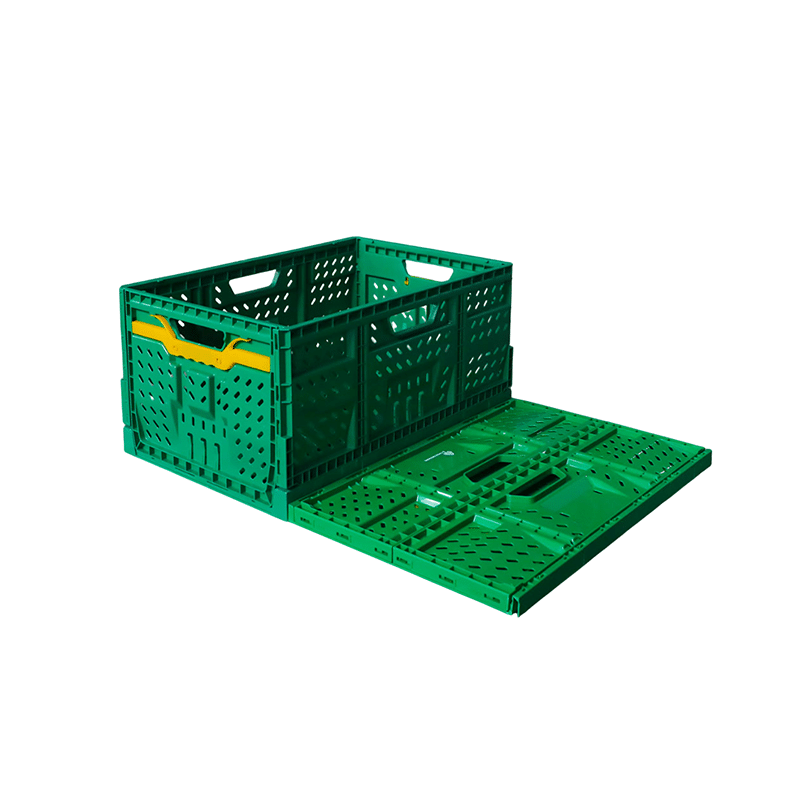
Plastic Folding Crate
An advanced collapsible variant engineered for maximum volume reduction during long-distance return shipping.
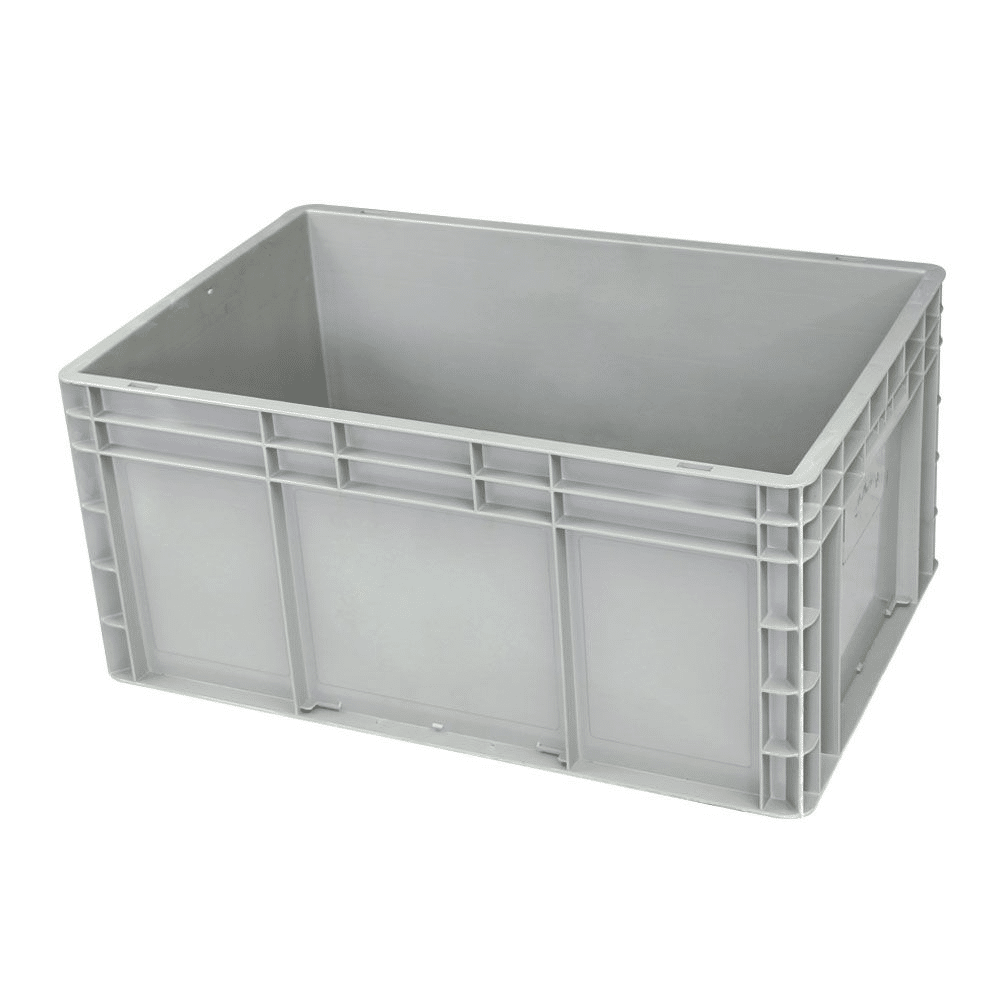
Plastic Turnover Crate
A workhorse box built specifically for fast-paced, high-frequency internal material handling routing across automated lines.
Plastic Nestable Crates
Tapered storage units that slide inside one another to reclaim warehouse floor space.
Contact our B2B procurement experts today for custom bulk quotes, material certifications, and tailored fleet logistics solutions.
Heavy Duty Transport Crates: Materials & Performance Specifications
Our heavy duty transport crates are manufactured using premium, industrial-grade polymers to survive the world’s most demanding shipping lanes.
| Performance Attribute | Specification & Capabilities |
| Material Base | High-Density Polyethylene (HDPE) / Polypropylene (PP) |
| Impact Resistance | Structural reinforced ribs for high-drop shock absorption |
| UV Resistance | UV-stabilized formulation for extended outdoor weathering |
| Corrosion Resistance | Total immunity to industrial acids, solvents, and chemical washes |
| Food Grade Option | FDA-compliant raw materials available for direct food contact |
| Anti-Static Option | Available ESD protection for electronics and automated lines |
| Temperature Resistance | Stable performance across a wide range of $-40^\circ\text{C}$ to $+70^\circ\text{C}$ |
| Load Capacity | Dynamic: up to 2,500 kg | Static Racking: up to 1,000 kg |
How to Choose the Right Heavy Duty Transport Crates?
Selecting the perfect returnable plastic container requires matching your specific warehouse workflow with precise engineering metrics.
| Selection Criteria | Strategic Assessment Requirement |
| Application | Define if the crate is for heavy machinery parts, fresh agriculture, or automation lines. |
| Capacity | Evaluate inner volume sizing to maximize space utilization without overpacking. |
| Load Requirement | Check static stack thresholds and dynamic weight capacities on forklifts. |
| Temperature | Verify if the unit will work in blast freezers or high-heat manufacturing plants. |
| Storage Method | Assess compatibility with standard industrial racking, pallets, and automated mini-loads. |
| Design Style | Choose stackable, nestable, or collapsible formats based on your reverse logistics loops. |
| Grade Standard | Choose industrial-grade for rugged machinery or food-grade for cleanroom environments. |
| Use Environment | Ensure proper UV stabilizer additions for outdoor yard storage vs. indoor setups. |
What are Heavy Duty Transport Crates? The Ultimate Industrial Guide
Key Takeaways
Durable Design: Drastically lowers long-term procurement costs compared to wood or corrugated cardboard.
Automation Ready: Consistent dimensions prevent conveyor downtime and optimize robot picking.
Eco-Friendly ROI: Fully recyclable material supports corporate sustainability goals and circular supply chains.
Cross-Industry Use: Optimized for automotive parts, food distribution, and pharmaceutical handling.
Why Materials Matter: HDPE vs. PP
Selecting the right base polymer dictates how your container performs under daily warehouse stress. Most industrial fleets are built from either High-Density Polyethylene (HDPE) or Polypropylene (PP).
HDPE (High-Density Polyethylene): Best for cold storage, outdoor shipping yards, and impact resistance. It stays flexible at sub-zero temperatures.
PP (Polypropylene): Offers exceptional stiffness and tensile strength. Best for high-load racking and automated warehouses where bending cannot be tolerated.
TIP: If your shipping fleet operates in extreme winter conditions or blast freezers, choose HDPE configurations to prevent accidental impact cracking.
Financial Benefits: The Cost-Per-Trip Advantage
While the initial cost of industrial plastic containers is higher than wood or cardboard, the long-term Return on Investment (ROI) is far superior.
Total Cost Per Trip = Initial Purchase Cost / Total Service Lifecycles
Consider this comparison over a standard operating cycle:
| Packaging Material | Average Lifespan (Trips) | Damage/Loss Rate | Moisture Absorption |
| Cardboard Boxes | 1–2 Trips | High (Water/Crush) | Critical Risk |
| Wooden Crates | 10–15 Trips | Medium (Splinters/Nails) | Medium Risk |
| ENLIGHTENING Crates | 100+ Trips | Extremely Low | 0% (Waterproof) |
Using long-lasting heavy duty plastic crates helps purchasing departments eliminate recurring material waste and cut their long-term supply chain expenses.
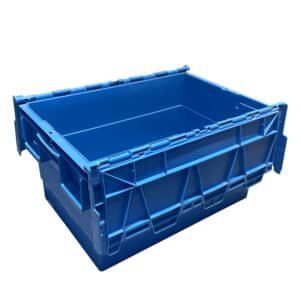
Streamlining Automation and Reverse Logistics
Modern distribution centers rely on uniform packaging. Slight structural variances can cause costly conveyor jams.
Seamless Integration with Intralogistics
Heavy duty transport crates feature standard footprints (such as Euro or ISO dimensions) to ensure compatibility with global automated storage and retrieval systems (ASRS). Anti-slip bases keep them moving smoothly along high-speed conveyors.
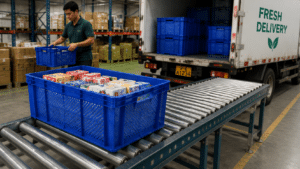
TIP: Pair your fleet with standardized Euro container standard plastic crate designs to ensure flawless sorting across international shipping networks.
Optimizing Return Freight
Managing empty return containers is a major logistical challenge. If your supply chain features long return-freight loops, deploying nestable plastic crates or collapsible containers can save up to 75% on backhaul shipping space.
Keeping Food and Chemicals Compliant
Industrial shipping containers must often comply with international safety regulations, especially in the food and chemical sectors.
Food Safety: Crates used for meat, seafood, or baking must use FDA-approved, virgin materials. Smooth interior walls prevent bacterial growth and allow for easy sanitation.
Chemical Compliance: For hazardous materials, using high-performance chemical resistant plastic crates protects against corrosive leaks and ensures safe workplace handling.
heavy duty transport crates FAQS
What are the primary operational benefits of heavy duty transport crates over alternative packaging?
Heavy duty transport crates provide exceptional impact protection, superior structural load capacities, and precise dimensional consistency for automated systems. Unlike wood or cardboard—which can generate dust contamination or absorb moisture and collapse—plastic crates are completely waterproof, easy to sanitize, and deliver a significantly lower cost-per-trip across long-term closed-loop logistics operations.
How do these transport crates perform under extreme temperature variations and in cold storage?
Engineered from high-grade industrial polymers, our heavy duty transport crates are built to withstand demanding thermal environments. Configurations using High-Density Polyethylene (HDPE) maintain excellent flexibility and impact resistance in sub-zero temperatures as low as -40°C, making them completely safe for blast freezers and cold chain transit.
Can your heavy duty crates be seamlessly integrated into automated warehouse and ASRS networks?
Yes. Our heavy duty transport crates are manufactured to standard international footprints (such as Euro and ISO dimensions) with reinforced, anti-slip bases. This structural rigidity ensures flat deflection under high weights, preventing conveyor jams, sensor misreads, and downtime in automated storage and retrieval systems (ASRS).
Are there food-grade options available for agricultural and food processing industries?
Absolutely. We provide heavy duty transport crates molded from virgin, FDA-compliant and EU-approved food-safe resins. These models feature smooth interior walls to prevent bacterial growth, ease sanitization protocols, and support strict HACCP compliance across compliance-driven food supply chains.
How do collapsible or nestable heavy duty crates optimize reverse logistics expenses?
Nestable and collapsible heavy duty transport crates allow empty units to slide into or fold flat against each other during backhaul shipping. This reduces empty container volume by up to 75%, allowing procurement teams to maximize return-freight truck capacity, cut fuel overhead, and lower carbon footprints.