


Key Takeaways
- Ventilated plastic crates are designed for airflow, drainage, washing, and repeated handling.
- They are widely used in produce, bakery, seafood, dairy, cold chain, retail, and food processing.
- PP and HDPE are common materials for ventilated plastic crates.
- Stackable models work well for loaded storage, while nestable models save space after unloading.
- ENLIGHTENING helps buyers choose ventilated plastic crates by product type, load weight, storage method, and delivery route.
Why Do Businesses Use Ventilated Plastic Crates?
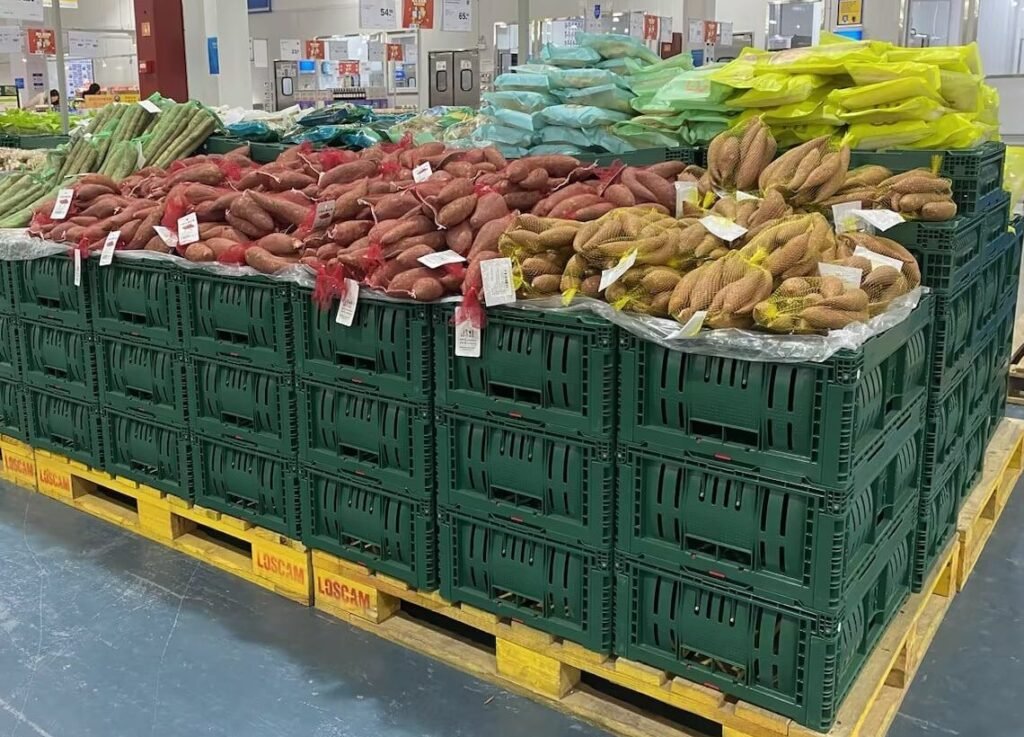
Businesses use ventilated plastic crates because many products cannot be stored well in closed containers. Fresh produce needs air circulation. Seafood needs drainage. Bakery products need breathable handling. Cold chain goods need containers that work in chilled storage and repeated delivery.
Ventilated plastic crates solve these daily handling problems with a simple structure. The vent holes allow air and water to pass through the crate. Workers can rinse the crates more easily, inspect goods faster, and stack loaded crates more neatly.
Common users include:
- Farms and agricultural packing houses
- Fruit and vegetable distributors
- Seafood processors
- Bakery factories
- Dairy and cold chain warehouses
- Supermarkets and retail stores
- Food processing plants
- Logistics and distribution centers
For produce and farm handling, fresh produce crates and agricultural harvest plastic crates are common choices.
What Problems Do Ventilated Plastic Crates Solve?
Ventilated plastic crates solve several problems that appear in food, retail, and warehouse operations. These problems often come from poor airflow, trapped water, weak cartons, and messy storage.
| Common Problem | How Ventilated Plastic Crates Help |
|---|---|
| Moisture buildup | Vent holes allow better airflow and drainage |
| Slow washing | Open structure helps water pass through faster |
| Weak cartons | Plastic body supports repeated use and stacking |
| Hard inspection | Open sides make products easier to see |
| Poor return storage | Nestable designs reduce empty crate volume |
TIP: Vent hole size matters. Large openings improve airflow, while smaller openings help support smaller products.
Which Products Are Best for Ventilated Plastic Crates?
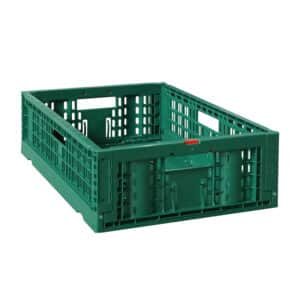
Ventilated plastic crates work best for goods that need airflow, drainage, cooling, or fast visual checking. They are especially common in food handling because many food products are sensitive to moisture and temperature.
Suitable products include:
- Fresh fruit and vegetables
- Leafy greens and root crops
- Bread and bakery products
- Fish, shrimp, shellfish, and seafood packs
- Dairy products and chilled goods
- Packaged food items
- Flowers and nursery products
- Retail goods that need visible sorting
For clean food operations, food grade plastic crates and plastic containers for food processing may be better options than general industrial crates.
Why Are Vent Holes Important?
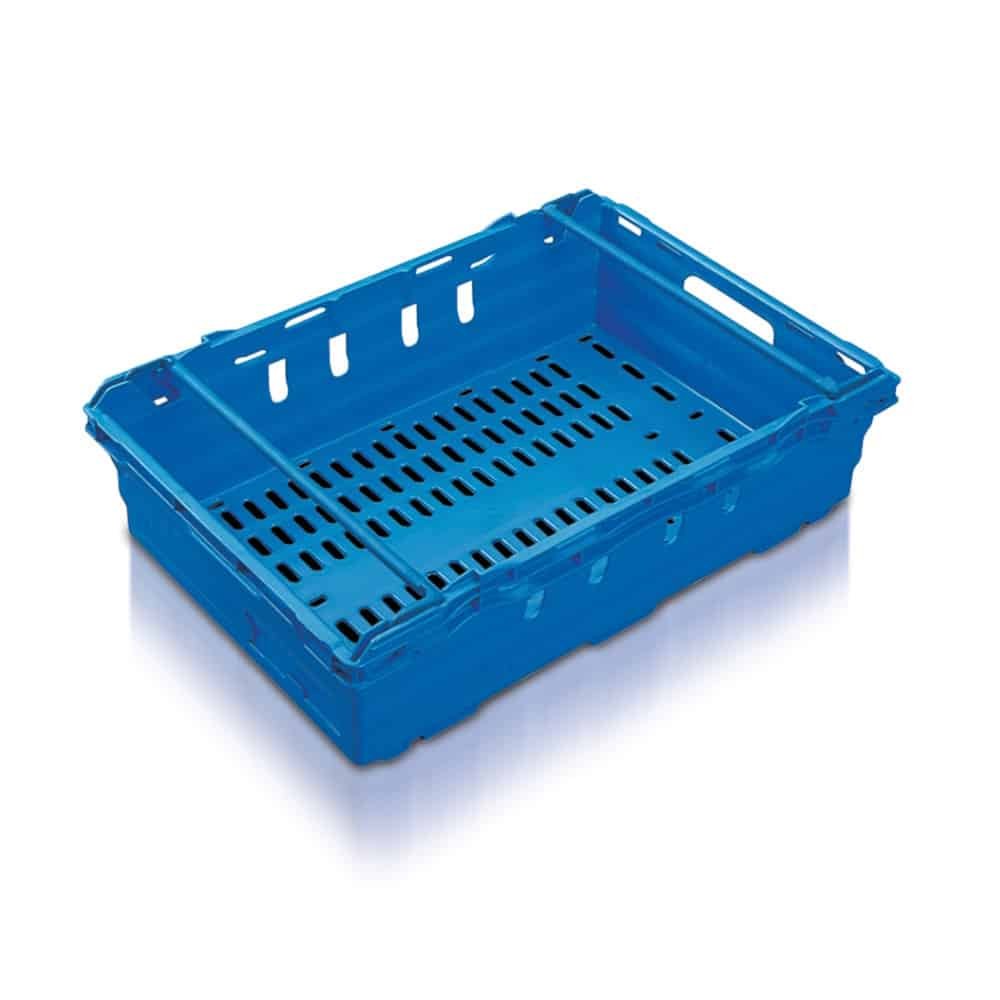
Vent holes are the key feature of ventilated plastic crates. They allow air to move through the crate and reduce trapped moisture. This is important for produce, seafood, bakery, and cold chain goods.
A good vent design should support airflow without making the crate too weak. If the holes are too large, small products may fall out or get damaged. If the holes are too small, airflow and drainage may not be enough.
Important vent design points:
- Side ventilation for airflow
- Bottom ventilation for drainage
- Smooth edges to reduce product damage
- Strong ribs around openings
- Easy washing after use
- Good visibility for product checking
For seafood or wet processing, meat and seafood plastic crates and cold chain transport crates can help match wet, chilled, or high-frequency handling conditions.
Stackable or Nestable: Which Type Should You Choose?
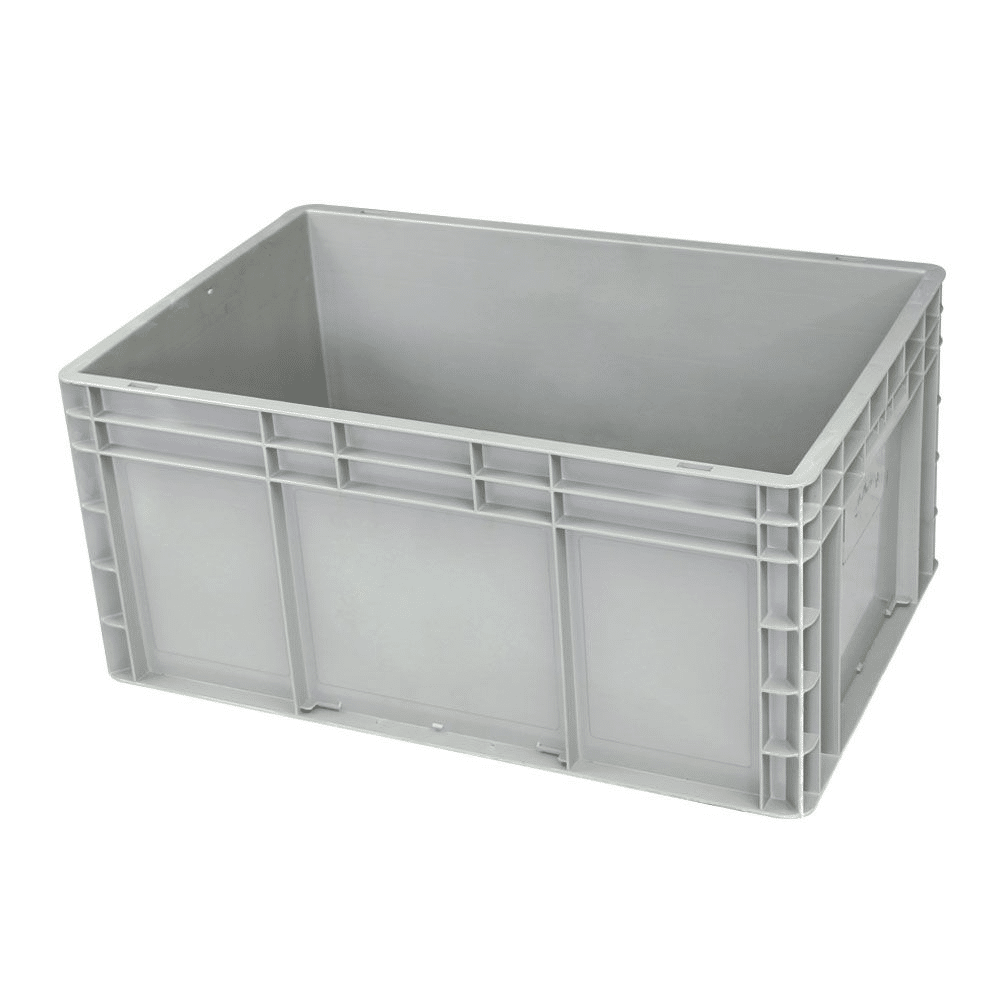
The right structure depends on what happens after loading and unloading. Stackable ventilated plastic crates are better for loaded storage and transport. Nestable ventilated plastic crates are better when empty crates return to the supplier, farm, store, or distribution center.
Stackable crates help keep full goods stable. They are useful in warehouses, cold rooms, food factories, and delivery trucks.
Nestable crates save space when empty. They are suitable for farms, retail stores, and closed-loop delivery routes where crates return after unloading.
A simple guide:
| Structure | Best Use |
|---|---|
| Stackable | Loaded storage, warehouse stacking, cold room storage |
| Nestable | Empty return, backroom storage, delivery route circulation |
| Bale arm | Stack when loaded, nest when empty |
| Low-profile tray | Bakery, drying, display, shallow goods |
| Heavy-duty crate | Heavier products and repeated rough handling |
For warehouse and distribution use, stackable plastic logistics crates and warehouse organization plastic crates are useful related options.
What Material Is Better for Ventilated Plastic Crates?

Most ventilated plastic crates use PP or HDPE. PP gives good rigidity, which helps loaded crates keep their shape during stacking. HDPE gives better toughness and impact resistance, which helps in rougher handling and colder working conditions.
Material choice depends on the goods and environment. Produce handling may need food-grade material and easy cleaning. Seafood handling may need good impact resistance, drainage, and cold-room performance. Outdoor farm use may need UV resistance.
| Material Option | Common Benefit | Suitable Use |
|---|---|---|
| PP | Rigid, clean, stable shape | Produce, bakery, retail, warehouse |
| HDPE | Tough, impact-resistant | Seafood, cold chain, rough handling |
| Food-grade PP/HDPE | Cleaner material option | Food processing and food distribution |
| UV-stabilized material | Better sun exposure resistance | Farm, outdoor yard, semi-outdoor storage |
| Anti-static material | Static control | Electronics or sensitive industrial products |
Are Ventilated Plastic Crates Suitable for Cold Chain?
Yes, ventilated plastic crates can be suitable for cold chain use when the material and design match the temperature range. In chilled distribution, airflow and drainage matter because goods may move between washing, cooling, storage, and delivery.
Cold chain users should check:
- Working temperature range
- Impact strength at low temperature
- Stack stability in cold rooms
- Cleaning and drainage needs
- Product type and packaging format
- Crate size for pallets, shelves, or carts
Ventilated plastic crates used in cold chain should not become brittle under normal working conditions. Buyers should confirm the real temperature range before bulk ordering.
TIP: For cold rooms, do not choose only by load capacity. Low-temperature impact resistance is also important.
How Do Ventilated Plastic Crates Improve Food Processing?
Food processing needs containers that are easy to clean, easy to move, and suitable for repeated use. Ventilated plastic crates help workers rinse products, drain water, sort batches, and move goods between process areas.
In food processing, ventilated plastic crates can support:
- Raw material receiving
- Washing and draining
- Sorting and inspection
- Temporary storage
- Cold room transfer
- Packing line feeding
- Returnable internal circulation
This makes ventilated plastic crates useful for produce packing houses, seafood factories, bakery plants, and chilled food distributors.
What Should Buyers Check Before Ordering?
Buyers should check more than the outer size. The right ventilated plastic crates should match the goods, process, storage method, and return flow.
Important points to confirm:
- Outer dimensions
- Inner dimensions
- Usable volume
- Vent hole size
- Bottom drainage design
- Material grade
- Food-grade option
- Load capacity
- Stacking height
- Nesting ratio
- Handle design
- Color option
- Logo or marking option
- Cleaning method
- Export packing method
- Sample availability
- Bulk order lead time
For heavier or rougher use, heavy duty plastic crates may be more suitable than light-duty vented crates.
Why Choose ENLIGHTENING Ventilated Plastic Crates?
ENLIGHTENING supplies ventilated plastic crates for farms, food processors, bakeries, seafood plants, cold chain warehouses, supermarkets, and logistics companies. We help buyers choose the right crate based on product type, load weight, cleaning process, storage method, and delivery route.
We do not recommend one model for every buyer. Different goods need different vent designs, stacking structures, materials, and load levels. By matching the crate to your real operation, ENLIGHTENING helps reduce wrong purchases and supports smoother daily handling.
Ventilated plastic crates are not just storage containers. They are part of your picking, washing, cooling, transporting, and returnable packaging process. A suitable crate can make product handling cleaner, easier, and more stable from receiving to delivery.