
Get Our Best Quotation

ENLIGHTENING will never abuse, misuse, sell, or improperly disclose the information you submit via our forms.

Automotive Parts Crates | Industrial Manufacturing - ENLIGHTENING

Source heavy-duty automotive parts crates from ENLIGHTENING. Engineered for robotic assembly lines, high-density stacking, and closed-loop B2B logistics.

Automotive Parts Crates: Optimized Application Scenarios

Stamping and Forging Plants

Transport heavy metal blanks safely from pressing areas using ultra-durable heavy duty plastic crates.

Powertrain Assembly Lines

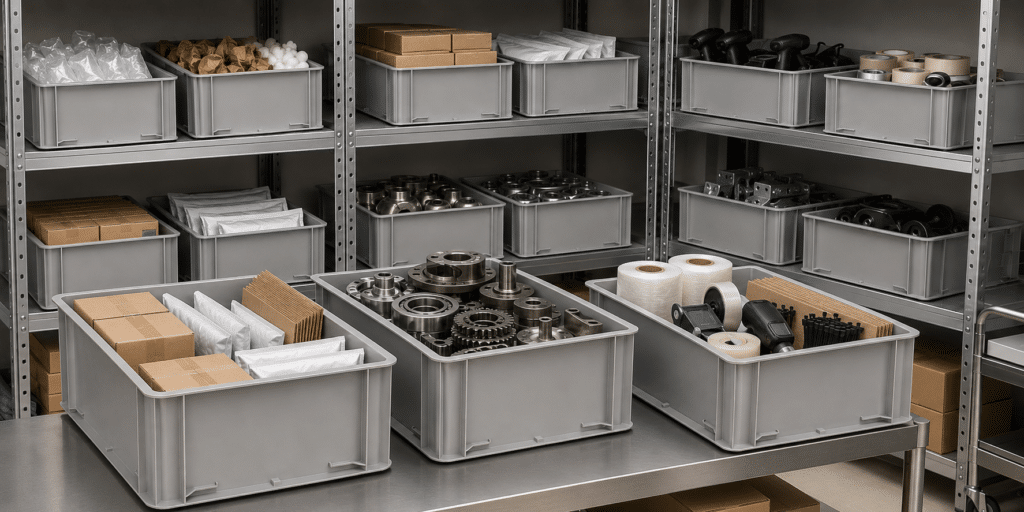
Organize engines, transmissions, and heavy gears inside high-rigidity industrial plastic crates.

Electronics and Sensors Integration

Shield sensitive vehicle control modules from static electricity using customized anti static plastic crates.

Hardware Tier-1 Distribution

Deploy uniform distribution loops from suppliers directly to assembly floors using stackable plastic logistics crates.

Intralogistics Conveyor Systems

Ensure smooth, silent movement across high-speed sortation networks with Euro container standard plastic crate bases.

Overseas Hardware Freight

Protect structural loads during multi-modal maritime transport using rugged bulk logistics plastic crates.

Operational Pain Points Solved in Heavy-Duty Assembly

  • Need to eliminate conveyor jams and sensor tracking errors? Slight variations or sagging bases in low-grade containers cause unexpected line stoppages. Our automotive parts crates are built with absolute dimensional tolerance to keep robotic automated lines moving continuously.

  • Struggling with heavy component damage during rough inter-plant transit? Sharp metal hardware can easily puncture weak boxes, spilling parts and halting lines. Our heavy-walled crates offer dense perimeter protection to stop structural warping under immense internal strain.

  • Facing high freight costs when returning empty part bins from Tier-1 plants? Transporting empty rigid boxes drains return logistics budgets. Utilizing alternative designs like collapsible plastic crates allows you to stack more empty units per truck and cut return transport costs.

Recommended Products for Automotive Hardware Sourcing

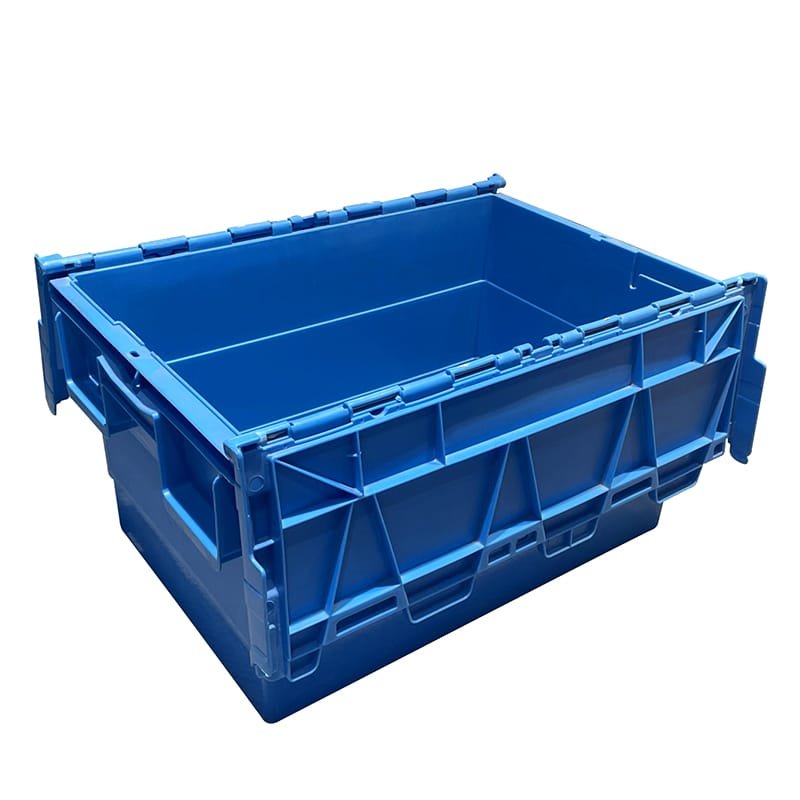
Attached Lid Container

A robust industrial container that nests seamlessly when open and locks securely when closed to prevent theft.

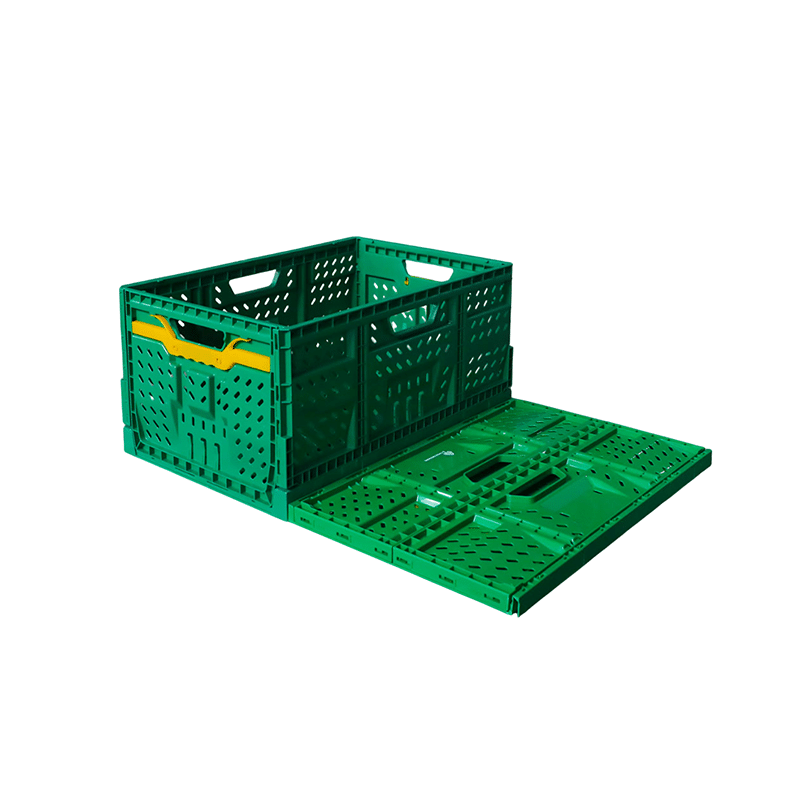
Plastic Folding Crate

An advanced collapsible variant engineered for maximum volume reduction during long-distance return shipping.

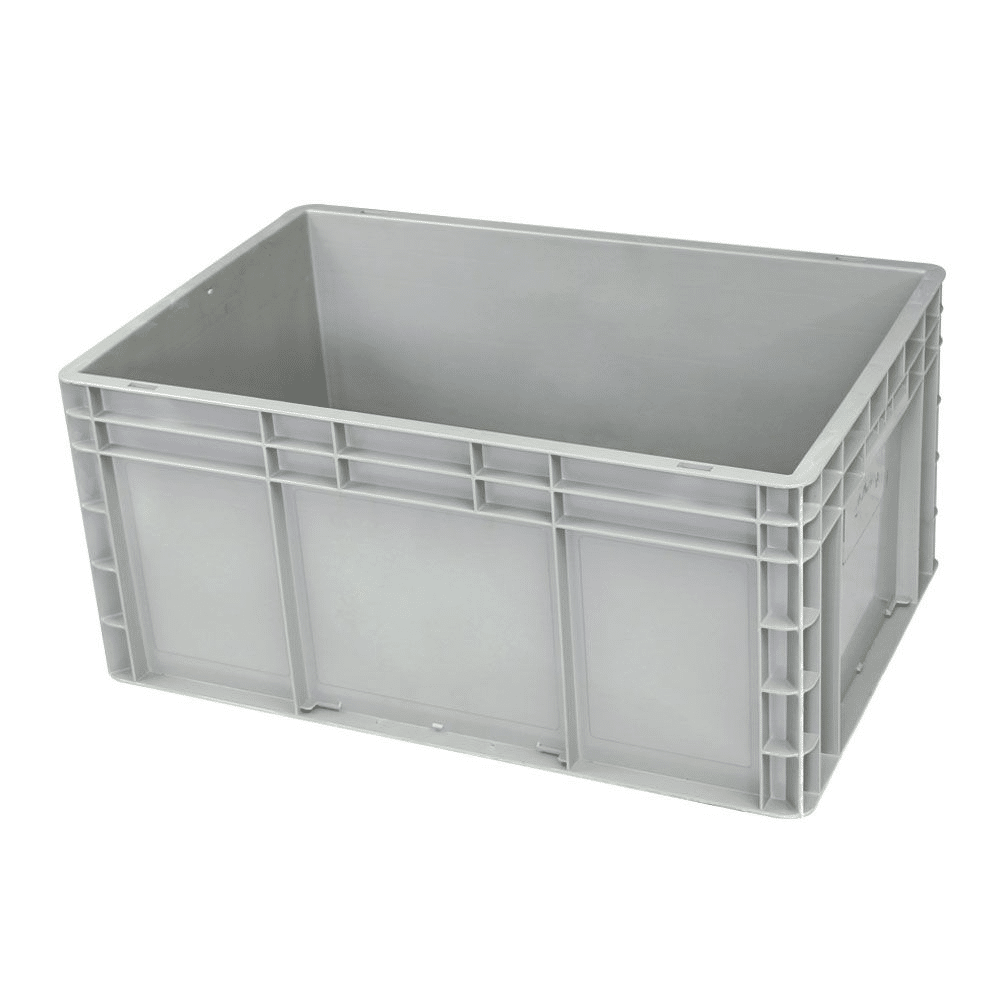
Plastic Turnover Crate

A workhorse box built specifically for fast-paced, high-frequency internal material handling routing across automated lines.

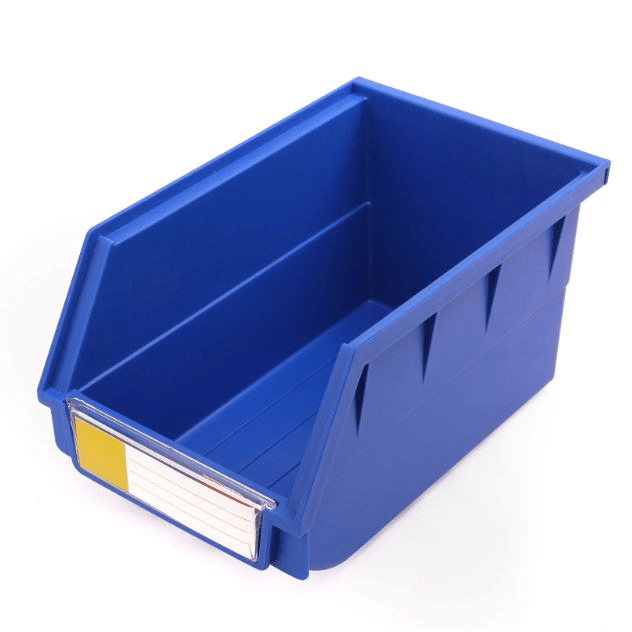
Plastic Parts Bins

Specialized smaller sub-containers optimized for granular inventory classification across industrial manufacturing assembly workbenches.

Need ENLIGHTENING to Help You Choose Automotive Parts Crates?

Contact our B2B engineering team today for a tailored quote, automated line testing compatibility, and customized industrial color matching.

Automotive Parts Crates: Material & Performance Specifications

Our automotive parts crates are manufactured using commercial-grade polymers engineered to handle heavy industrial workloads.

Performance AttributeSpecification & Capabilities
Material BasePremium Virgin High-Density Polyethylene (HDPE) / Heavy Duty Polypropylene (PP)
Impact ResistanceAdvanced thick-walled structural ribbing to absorb heavy drop impacts
UV ResistanceExtended lifespan under natural outdoor yard storage conditions
Corrosion ResistanceTotal resistance to industrial oils, motor grease, lubricants, and wash solvents
Food Grade OptionIndustrial grade by default; certified food-safe material available upon request
Anti-Static OptionOptional ESD-conductive surface protection available for sensitive electronic parts
Temperature ResistanceTemperature-stable performance from $-20^\circ\text{C}$ up to $+60^\circ\text{C}$
Load CapacityDynamic Handling: 50 kg | Static Stack Overload: Up to 1,000 kg


How to Choose the Right Automotive Parts Crates

Choosing the correct transport bin depends on balancing the weight of your parts with your automated material handling setup.

Selection CriteriaStrategic Assessment Requirement
ApplicationDecide if the crate is for oily mechanical gears, wire harnesses, or sensitive dashboard electronics.
CapacityAssess your internal volume needs to maximize part density without overpacking.
Load RequirementCalculate both individual part weights and the total static weight when stacked on the line.
TemperatureDetermine if crates will face high-heat wash stations or unheated outdoor storage lots.
Storage MethodCheck compatibility with heavy-duty pallet racks, picking shelves, or automated mini-load systems.
Design StyleChoose rigid stackable designs for heavy components, or collapsible options to save return space.
Grade StandardChoose high-rigidity industrial polymers over standard retail-grade alternatives.
Use EnvironmentEnsure proper chemical resistance if parts are coated in cutting fluids or rust inhibitors.


What are Automotive Parts Crates? The Ultimate Industrial Guide

Key Takeaways

  • Automation Compatible: Standard footprints ensure flawless performance with robotic picking arms and conveyor systems.

  • Highly Cost-Effective: A single reusable container replaces hundreds of single-use boxes over its lifetime.

  • Industrial Durability: Built to resist heavy impacts, shifting loads, industrial oils, and chemicals.

  • Space Optimization: Uniform designs allow for secure, high-density vertical stacking in warehouses.

Why Material Matters: Choosing Between HDPE and PP
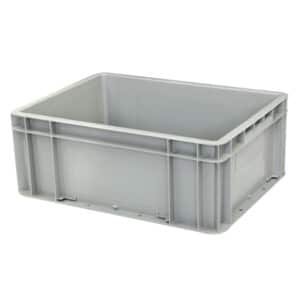
Selecting the right base polymer is essential for matching your crates with the daily demands of your factory floor.

  • Heavy Duty Polypropylene (PP): This material provides excellent tensile strength and minimal deflection under heavy weight. It is ideal for high-density vertical racking and automated systems where bins must keep their shape perfectly under load.

  • High-Density Polyethylene (HDPE): Known for its exceptional impact resistance and flexibility. HDPE is perfect for cold-weather logistics yards and rough inter-plant transport where physical shock is common.

TIP: If your crates operate primarily on high-speed automated tracks with heavy metal components, choose PP compounds to prevent structural sagging.

Financial ROI: The Long-Term Return on Investment

Switching from single-use packaging to high-performance heavy duty transport crates significantly reduces long-term operational costs.

Consider this performance comparison over a typical supply chain cycle:

Packaging OptionAverage Trips Before FailureOil & Grease ResistanceStructural Deflection Risk
Corrugated Cardboard1–2 TripsCritical Failure (Absorbs Oil)High Risk of Crushing
Wooden Crating10–15 TripsAbsorbs Stains / SplintersModerate Risk
ENLIGHTENING Crates100+ Trips100% Resistant (Wipes Clean)Zero Deflection (Reinforced)

By introducing durable industrial plastic crates into your loop, purchasing departments eliminate recurring packaging waste and achieve a lower cost-per-trip.

Streamlining Factory Automation and Reverse Logistics
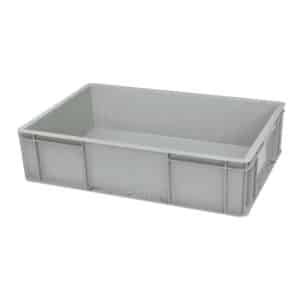
 

Lean manufacturing relies on standardization. Even tiny variations in container dimensions can disrupt complex automated workflows.

Flawless Assembly Line Integration

Our automotive parts crates are built to strict global dimensional standards (such as Euro and ISO footprints). Their reinforced bases feature precise edge radiuses that glide smoothly over conveyors without catching.

TIP: For international supply chains, use standardized ISO 8611 standard plastic logistics crate designs to ensure compatibility across different freight forwarders and automated facilities.

Maximizing Return Freight Efficiency

Managing empty containers is a major logistical challenge in closed-loop supply chains. If your return freight travels long distances between Tier-1 suppliers and main assembly hubs, using nestable plastic crates or collapsible designs can cut empty storage volume by up to 75%.

Protection Against Chemicals and Static Electricity

Automotive parts require different types of specialized protection during transit.

  • Chemical Resistance: Powertrain components are often coated in protective oils, anti-rust compounds, and cutting fluids. Our crates are built from chemical resistant plastic crates that will not degrade or soften when exposed to hydrocarbons.

  • ESD Electronic Safeguards: Modern vehicles rely heavily on electronic control units (ECUs), sensors, and digital dashboards. To prevent static discharge from damaging these components, we offer custom anti static plastic crates that safely ground static electricity throughout transportation.

Table of Contents
Get Our Best Quotation

automotive parts crates FAQS

Why should our automotive plant switch from single-use cardboard to reusable automotive parts crates

Cardboard packaging frequently fails under heavy hardware, absorbs cutting oils, and creates dust that can contaminate sensitive components. Reusable plastic automotive parts crates are waterproof, durable for over 100 trips, and maintain their shape under heavy loads. This significantly lowers your overall cost-per-trip and reduces packaging waste in your supply chain.

Yes. Our crates are manufactured from high-grade HDPE and PP polymers that are highly resistant to chemicals. They will not absorb grease, motor oil, hydraulic fluid, or common factory wash solvents, allowing them to be easily cleaned and reused without structural degradation.

Our crates are designed with standard international footprints and feature reinforced, anti-slip flat bases. This prevents bending under heavy loads, ensuring smooth movement along conveyors and accurate positioning with robotic picking systems and Automated Storage and Retrieval Systems (ASRS).

Yes. We offer specialized anti-static (ESD-safe) versions of our automotive crates. These units utilize conductive or dissipative plastic additives to protect sensitive components like engine control units (ECUs), sensors, and wiring harnesses from static damage during assembly and shipping.

To optimize your reverse logistics, we offer nestable and collapsible industrial crate designs. These options allow empty units to fold flat or stack tightly inside one another, reducing empty container volume by up to 75%. This allows you to fit more crates onto a single return truck, reducing freight costs and saving warehouse space.

上部へスクロール

ENLIGHTENING respects your privacy. Your details are only used to process your request.

Send your inquiry now

Learn how ENLIGHTENING protects your data in our [Privacy Policy].